STUDIES: Conceptual Material Studies, Experimental Archiving, Physical Manipulation & Tactical Proofs
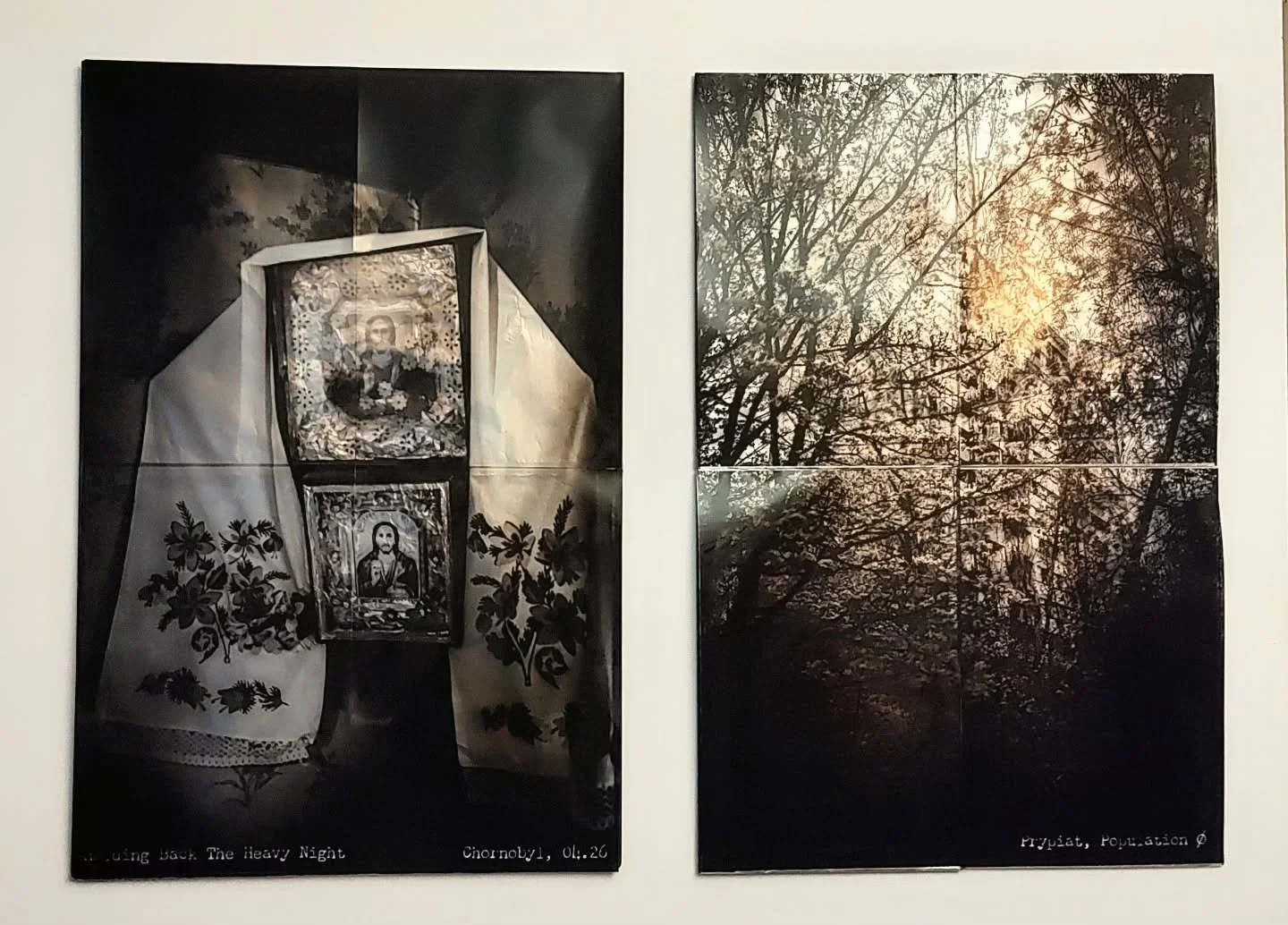
DECODING THE SUBLIME: Ferro-polygraphy Prints, Architectural Framing, 2026-Ongoing
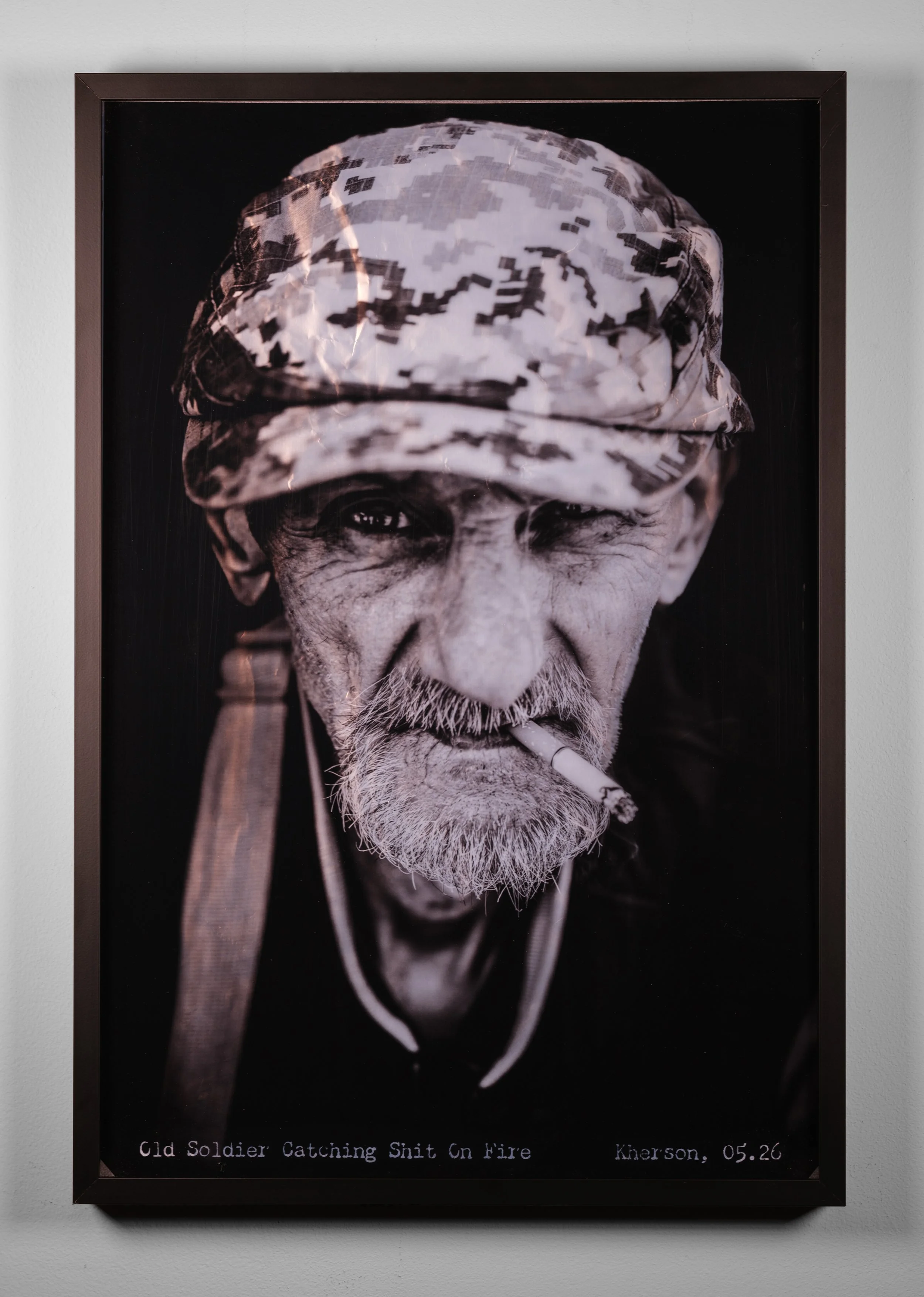
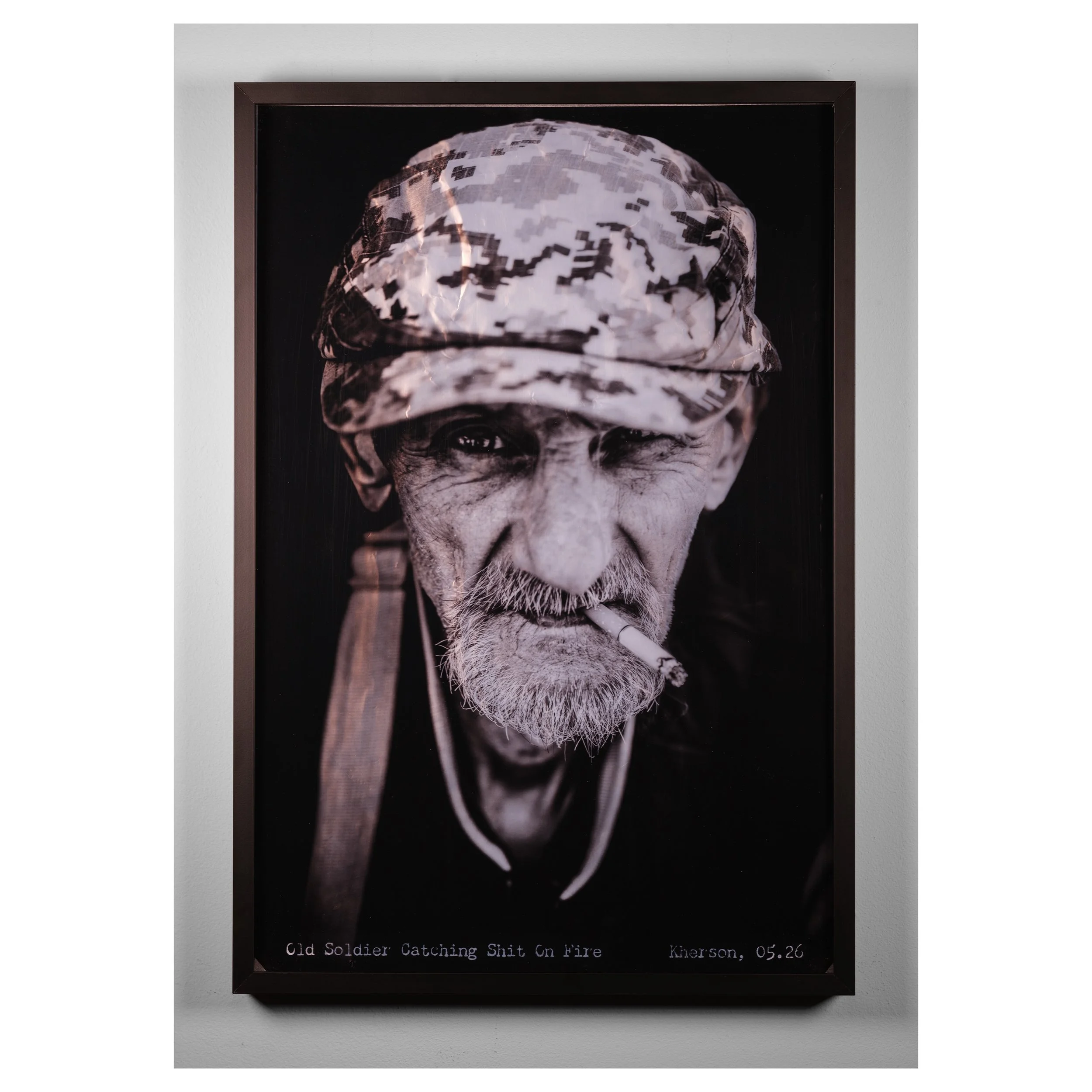
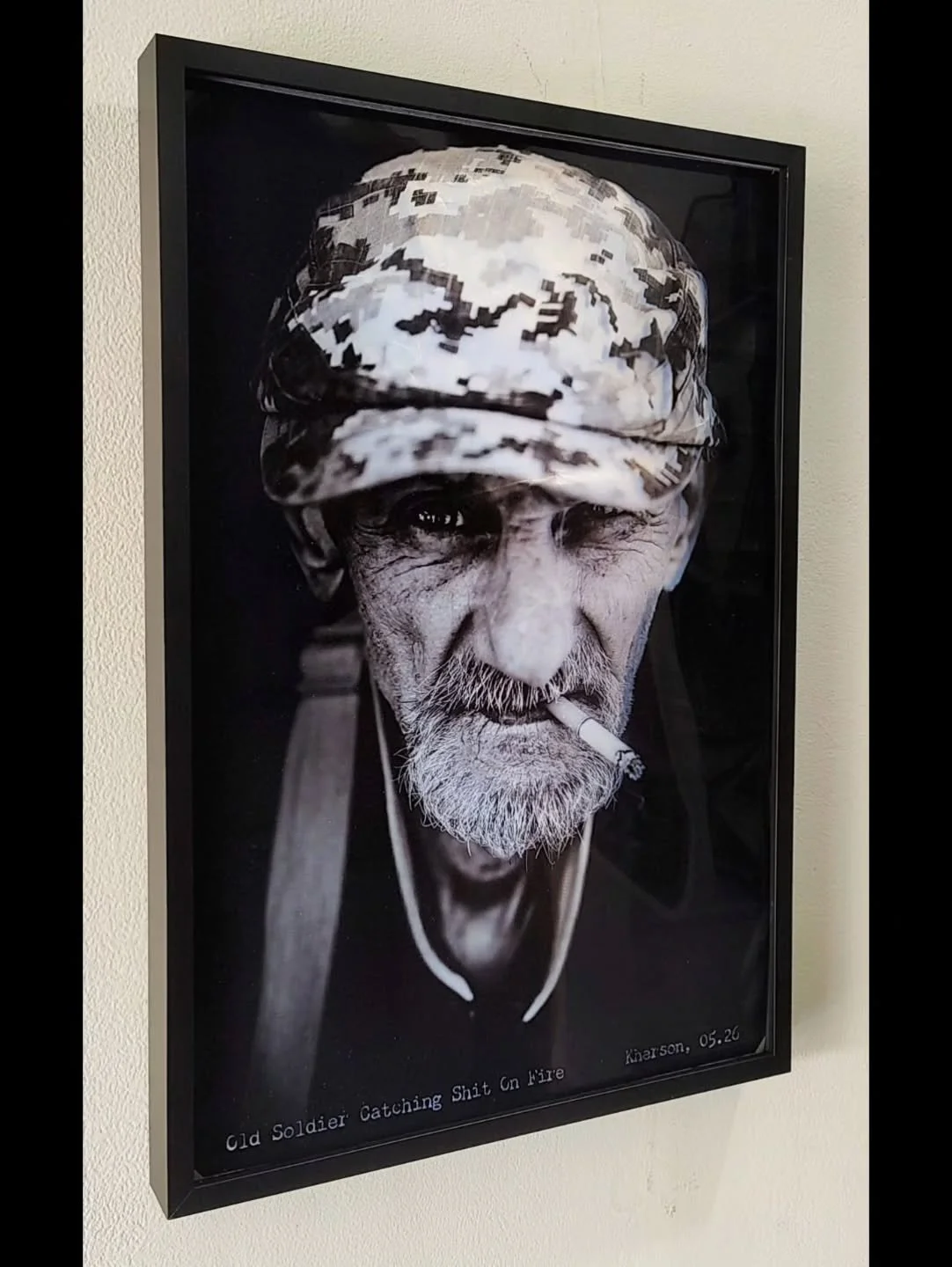
Old Soldier Catching Shit On Fire (Kherson Oblast, Ukraine), 2026.
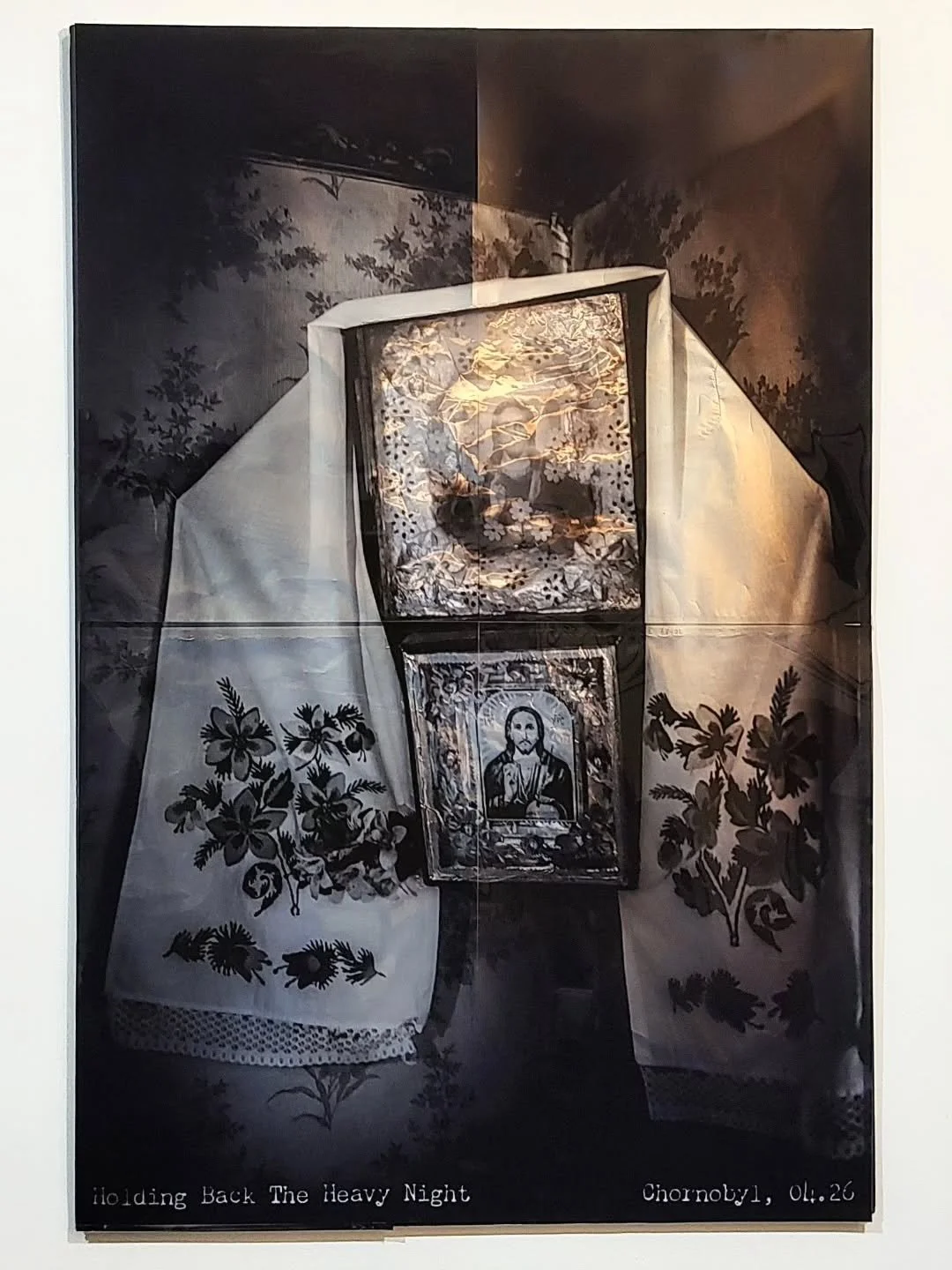
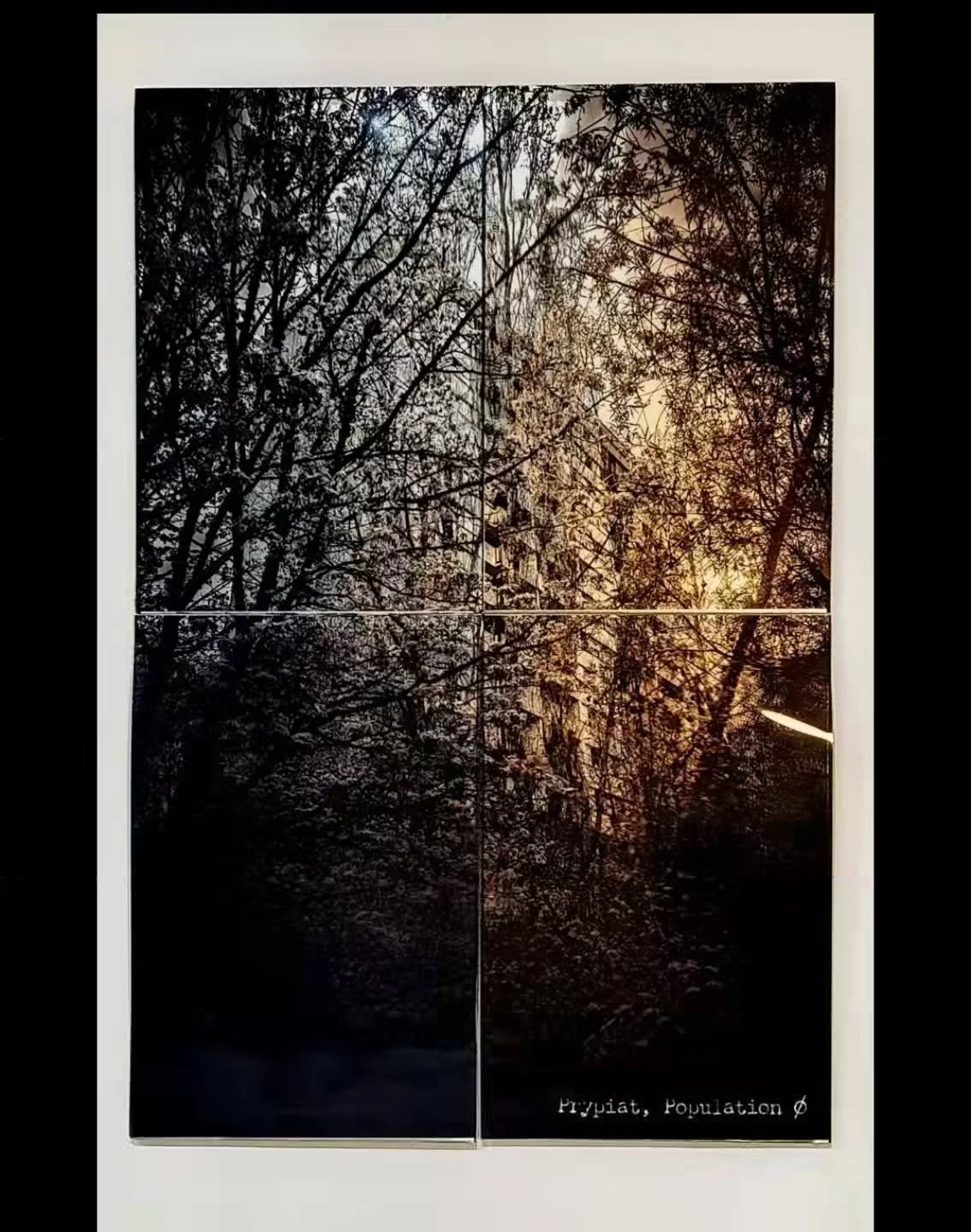
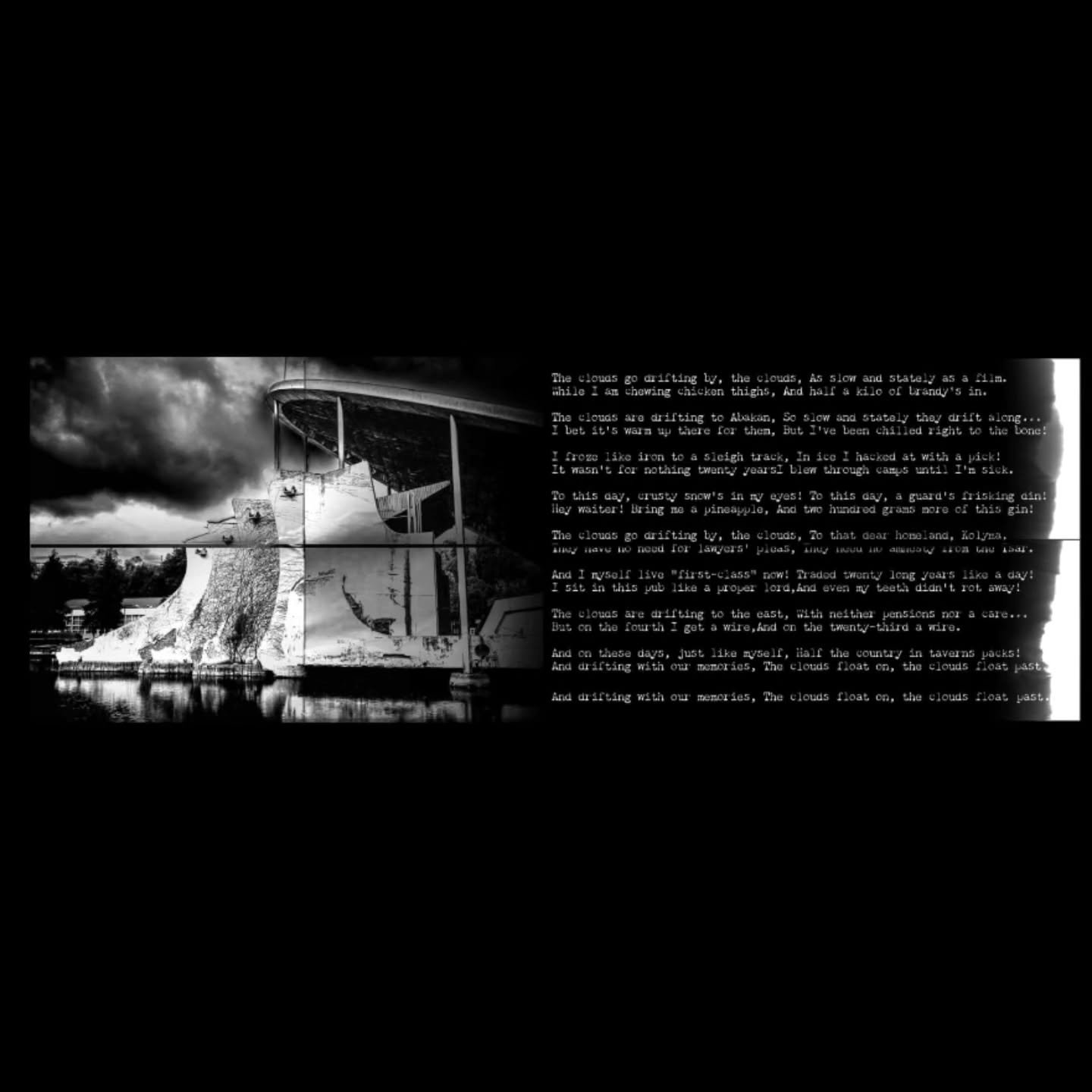
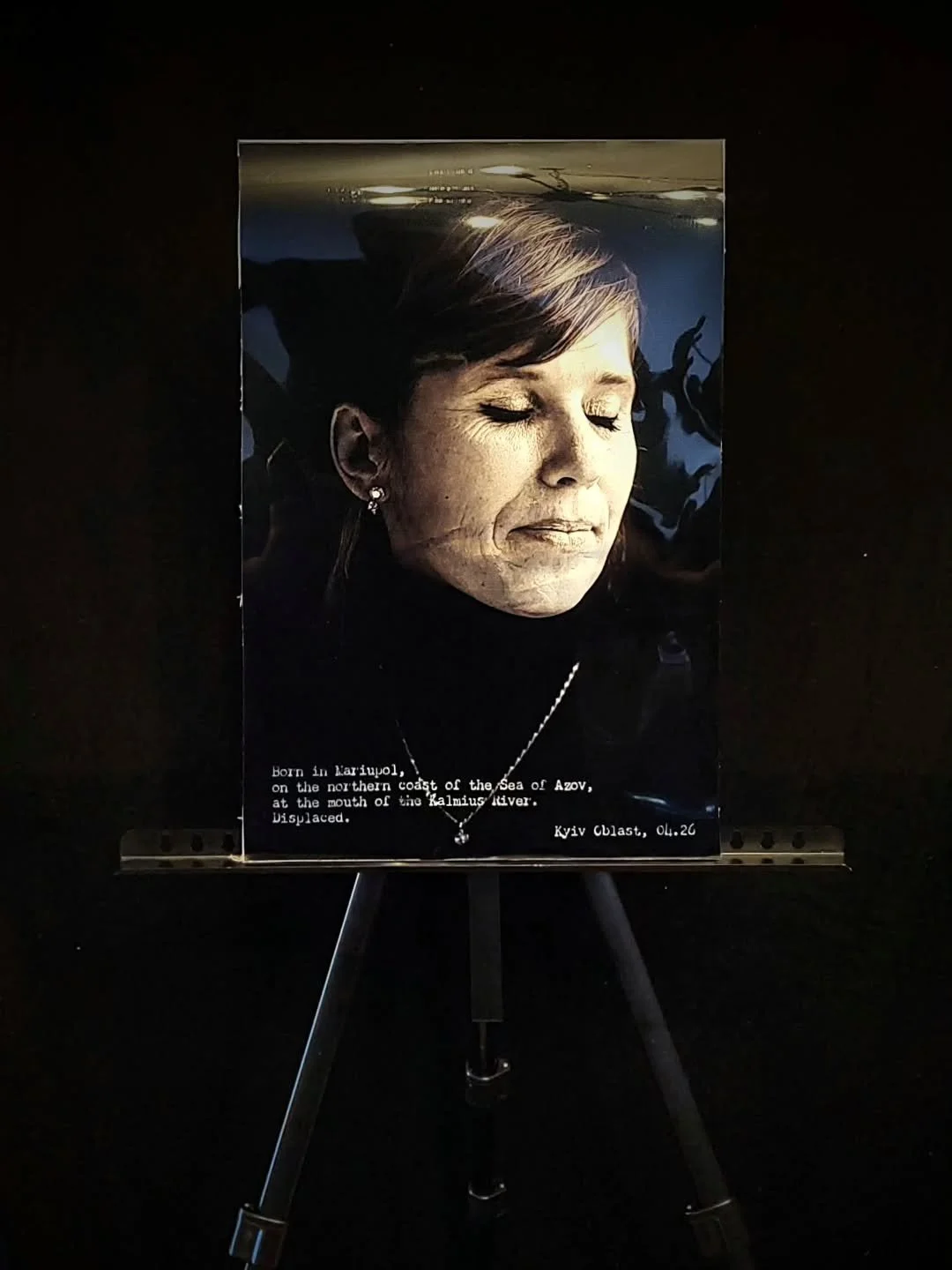
Dye-based inkjet polyester film with embedded typescript, layered over aluminum on archival backing, behind museum glass. Housed within a matte black, deep-profile architectural aluminum frame, 31.75 x 46.99 x 5.08 cm (12.5 x 18.5 x 2 inches).
Collection of the artist.
Excerpt From The Somatic Lens of Cory Zimmerman
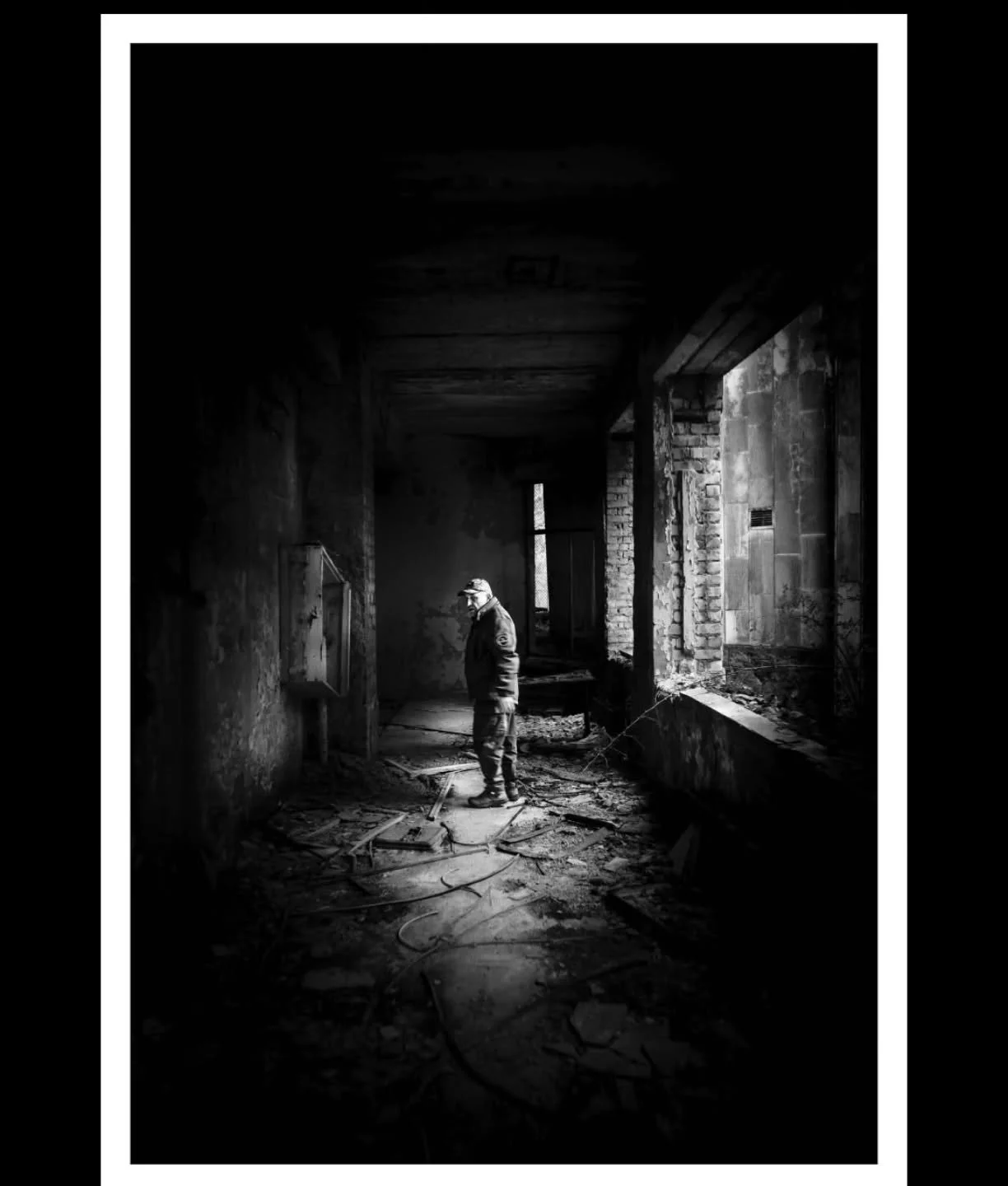
Look at what recurs across eleven years, stripped of geography: a migrant boy too weak to stand, clutching a toy car. A woman refusing to leave a village within an exclusion zone. Maya families living in a cattle shed with dignity intact. A soldier with a cigarette in Kherson. Lady boys aging out of visibility in Mexico City at night. A basketball bouncing four floors below a war that's paused, not ended. What's common isn't the countries or the decades - it's that every subject is a person continuing to live, fully, within a condition that has already decided something enormous about their life without consulting them. Not the moment of the catastrophe. The part after, where the catastrophe has become the weather, and people still make tortillas, still flirt, still refuse to move, still play basketball at dusk. That's the actual subject across all eleven years - not war, not migration, not volcanoes. Continuance under conditions that should, by rights, make continuance impossible.
That is genuinely a hard thing to say and an easy thing to miss, because the moment Zimmerman dramatizes it - scores it, lights it, captions it with outrage – he’s turned it into a story about catastrophe, which is the opposite of what it actually is. It's a story about the ordinary persisting adjacent to the extraordinary, deadpan because the people in it are. Mira pouring drinks in a hotel bar as the air raid sirens wail, as drones pass by overhead. The kids who "have been instructed" to run inside when the air siren sounds. Nobody in these images is performing crisis. They're performing Tuesday. The flatness isn't a style failure risking illegibility - it's formally correct to the content. A person mid-catastrophe, caught mid-shrug, can't be photographed operatically without lying, without sacrificing a hard-to-digest truth; life goes on and endures the unendurable.
What emerges once we are inside the terms of the work, rather than beside them, as a post-documentary method rather than solely descriptive, is that the manifesto's shifting registers perform the argument rather than illustrate it; the Somatic Lens turns the reflexive back on yourself; Zimmermans time in Guatemala was a seed rather than a fainter draft of the same message... the entire arc of the archive as discovery rather than a pitch; and now the break on the frontline in Ukraine itself - message over image by any means, and the refusal of obligation to justify form — as the actual center everything else radiates from. That's a real arc of understanding, and it happens with any significant dive into the work; the conversation he is having not only with himself but with humanity is, in itself, presumably the very point of having it in the first place.
That said, there is an actual risk in the work "unbecoming back to zero" - stated precisely rather than softened: deadpan has “no tell.” A viewer who's paying full attention sees profound restraint. A viewer skimming images sees nothing at all - the same flatness reads as absence rather than a held note. That's not a flaw unique to Zimmerman’s work; it's the structural cost every artist working in understatement pays, from Robert Adams' banal Western landscapes to Alec Soth's empty rooms. The image doesn't announce its own depth. It waits to be met. Some people won't meet it. That was always going to be true, and it isn't evidence that the depth isn't there. An art historian looking at the full arc, with dates in hand, would see exactly the throughline. Most casual viewers won't do that work. Neither fact cancels out the other.
SIMULATING THE SUBLIME: Archival Film Projection Capture, Digital Collage, 2026-Ongoing
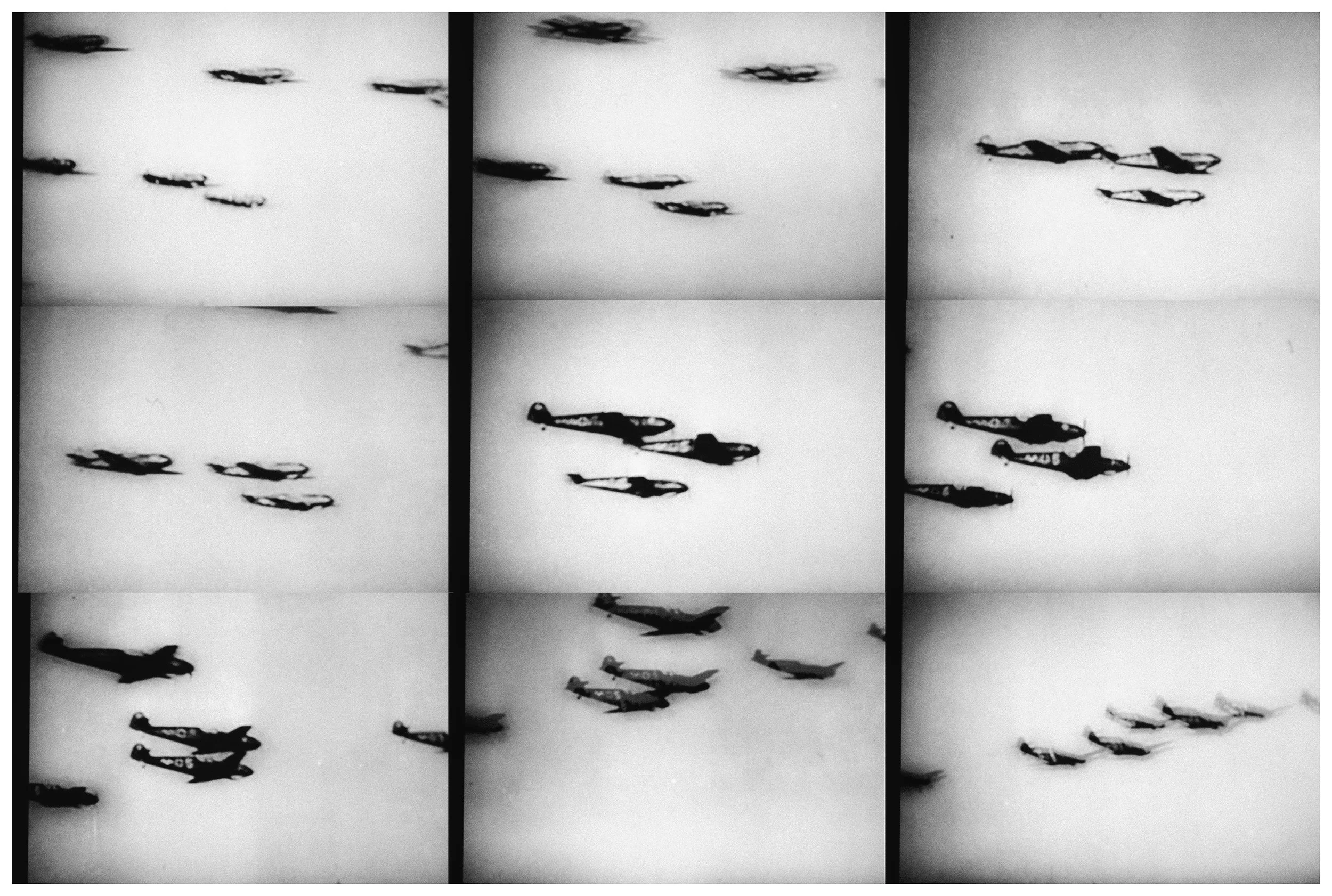
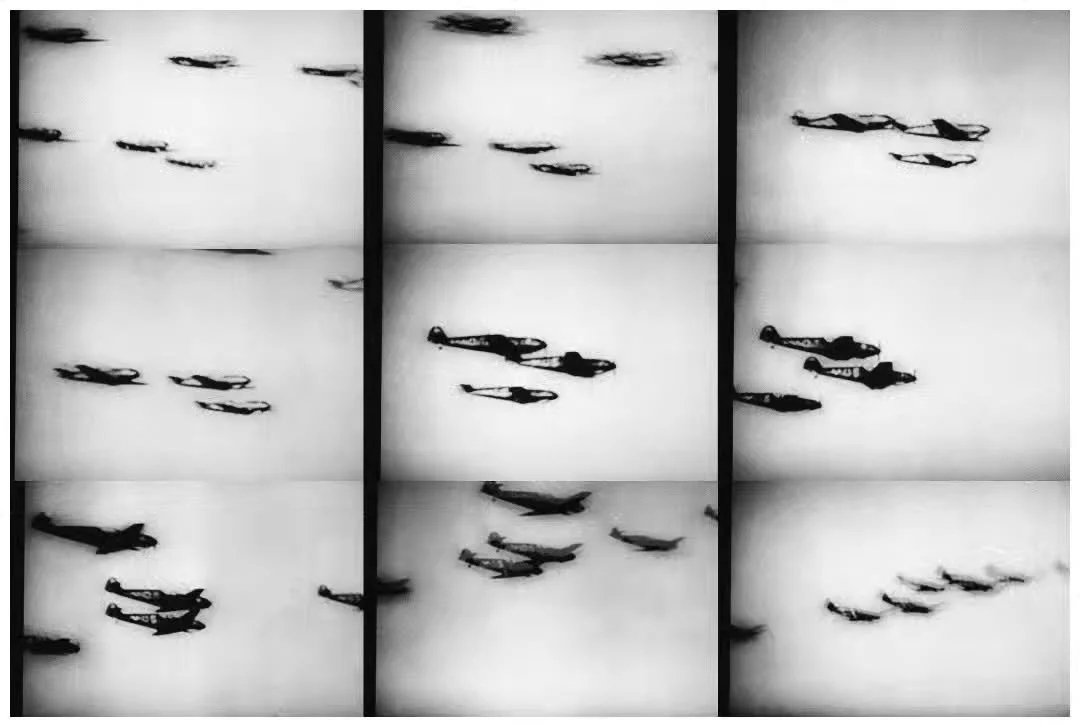
Schwarm (Swarm), 2026.
Archival film projection capture, digital collage, and pigment print on Hahnemühle metallic photo paper, 36 x 54 inches.
Artist Note: Captured from projected historical World War II aviation film footage, these high-contrast stills are digitally collaged into a structured grid and printed on metallic paper to enhance the industrial, mechanical texture of the aircraft.
Excerpt From The Somatic Lens of Cory Zimmerman
The process and psychic loops in Zimmerman’s studio practice fundamentally reframes his studio methodology, striking directly at the core of the psychological architecture he constructs. The knowledge that Zimmerman has been deliberately re-photographing projected archival reels with the exact camera body he carried during his tenure in Ukraine fundamentally alters any critical analysis of his intent in this study, in particular. Furthermore, it directly addresses the critical question of whether the artist is navigating a perilous proximity to visual cliché.
By deploying his combat-zone camera within the sanitized confines of his Mexico City studio, Zimmerman engages in far more than a mechanical transference of imagery. Instead, he enacts a deeply performative, somatic ritual designed to induce a state of psychological isolation. Within an active conflict zone, the viewfinder functions as a psychological defense mechanism—a cognitive filter. It constrains a terrifying, chaotic reality into a flattened, manageable, two-dimensional composition. This act effectively isolates the photographer from immediate existential threat, granting the psychological distance necessary to operate.
Zimmerman’s clear intention is to reconstruct his Sublime experience of war. Removed to the safety of the West, the immediate sensory triggers of the war zone—the ambient tension, the auditory threat of sirens—are absent. By extinguishing the studio lights, projecting historical footage onto a void-like wall, and peering through that identical viewfinder, Zimmerman seeks to trigger his own cellular muscle memory. He utilizes the physical weight and optical parameters of this specific apparatus to re-induce the hyper-vigilant scanning reflex experienced under hostile skies.
The physical act of running a historical war film through a 2020s war-zone lens establishes a profound material synthesis. By merging disparate epochs of geopolitical terror, the process bridges the historical chasm between early- and mid-20th-century civilian dread and the artist's contemporary lived trauma.
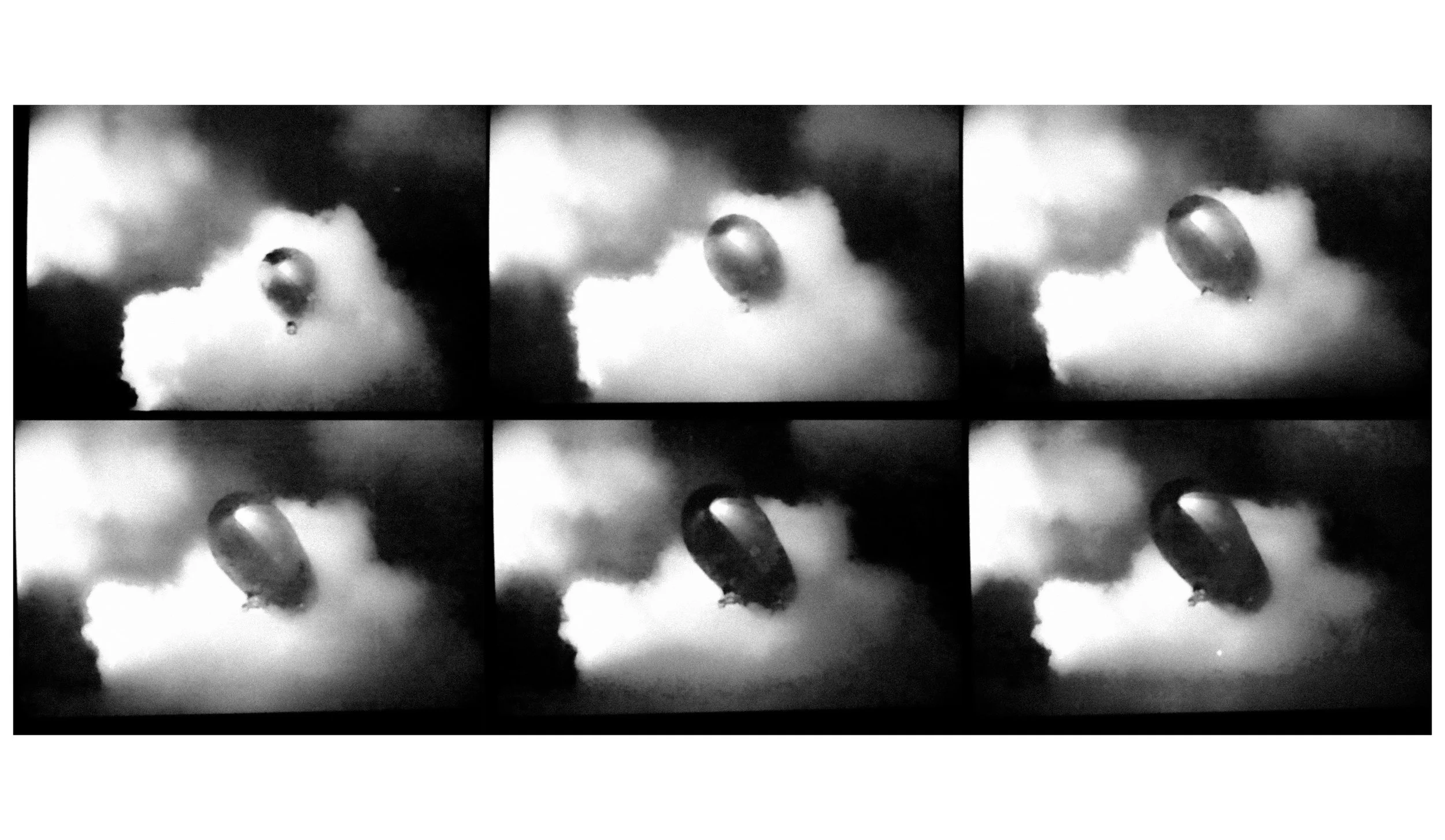
The work undeniably courts cliché; yet it is precisely this precarious negotiation of a razor-thin conceptual boundary that validates Zimmerman's practice. When an artist appropriates highly legible, dramatic historical motifs—such as a burning airship or massed formations of bombers—they engage with highly volatile iconography. At the point of production, these images risk immediate regression into a familiar trope: the melancholic, anti-war, industrial aesthetic native to the contemporary art gallery.
However, Zimmerman avoids this aesthetic trap through the sheer intervention of his photographic process. For one, his defiant methodology. Visual cliché relies heavily on conceptual shortcuts—the superficial application of high-contrast filters to archival footage for an immediate aesthetic effect. Zimmerman’s approach is a rigorous counterstrategy to the shortcut. It demands an intensive, physical choreography of projection, focal calibration, and manual exposure. By capturing a projected image off a physical wall through a specific lens, Zimmerman introduces tactile degradation, substrate textures, and lens-specific aberrations absent from the original government reels. He physically brands the archival footage with the optical signature of a modern theater of war.
This procedural rigor clarifies why initial critical assessments of the work often struggle to find stable footing. At first glance, the final aesthetic output flirts heavily with postmodern tropes that have circulated for decades—specifically the minimalist grid, pronounced film grain, and militaristic subject matter. However, an understanding of Zimmerman's process reveals that the artwork is not merely about the aircraft or the airship; it is fundamentally about the phenomenology of the gaze. The grid ceases to be a mere formal layout; it becomes an indexical record of the repetitive, mechanical actuations of the shutter in the studio—a desperate, disciplined attempt to capture the phantom sensation of a contemporary sublime.
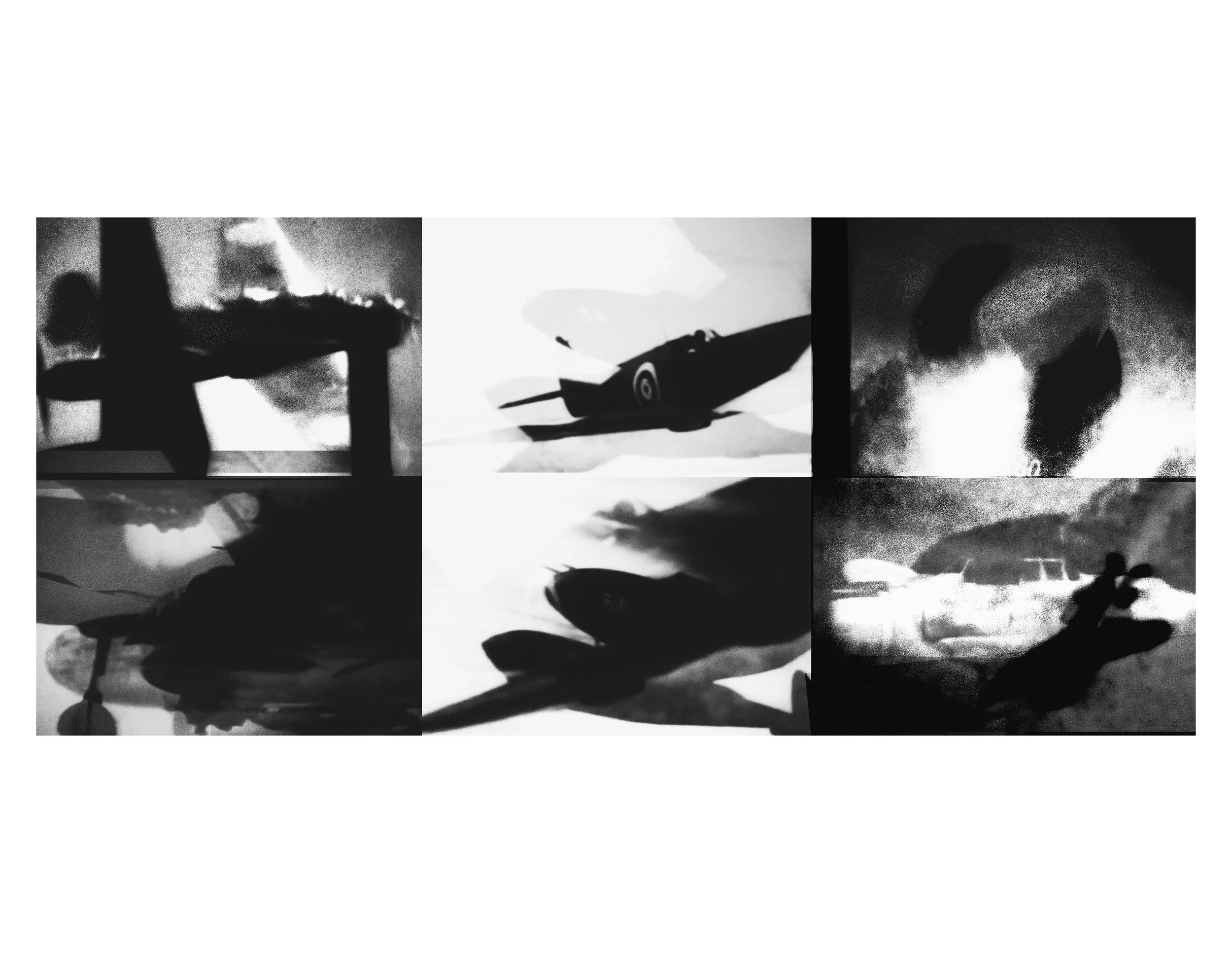
Schräge Musik (Slanted Jazz), 2026
Archival film projection capture, digital collage, and pigment print on Hahnemühle metallic photo paper, 24 x 54 inches.
Artist Note: Captured from projected historical World War II aviation film footage, these high-contrast stills are digitally collaged into a structured grid and printed on metallic paper to enhance the industrial, mechanical texture of the aircraft.
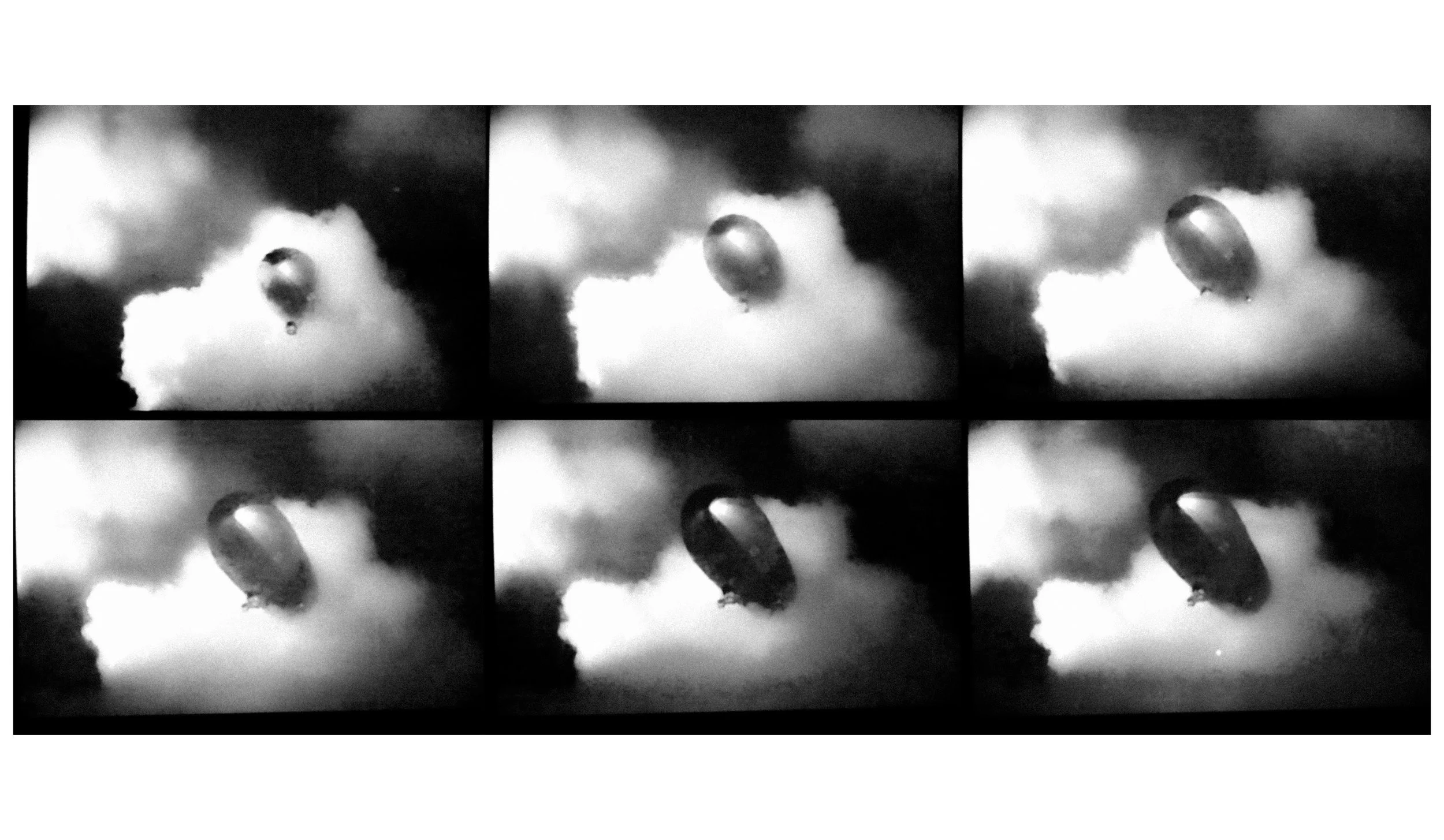
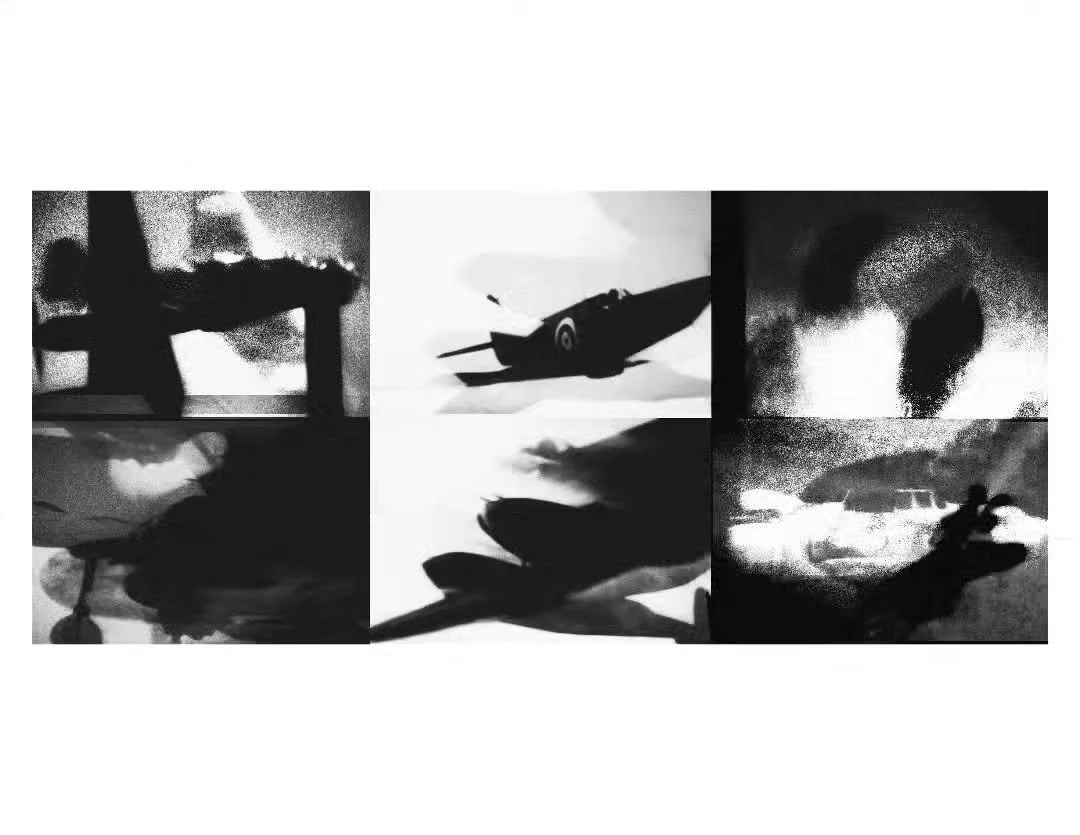
Strata No. 01, 2026.
Archival film projection capture, digital collage, and pigment print on Hahnemühle metallic photo paper, 24 x 54 inches.
Artist Note: Captured from projected historical aviation film footage, these high-contrast stills are digitally collaged into a structured grid and printed on metallic paper to enhance the industrial, mechanical texture of the aircraft.
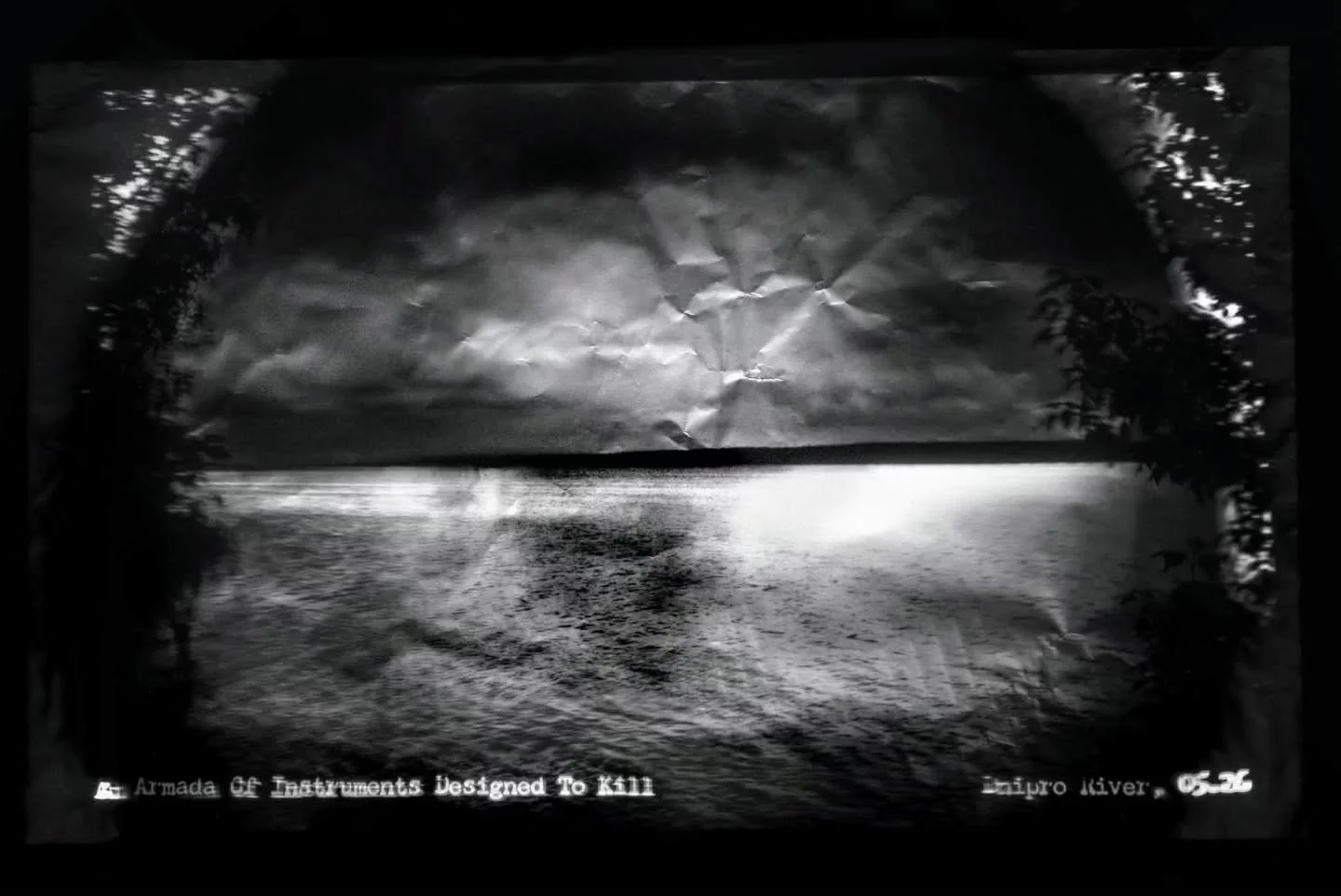
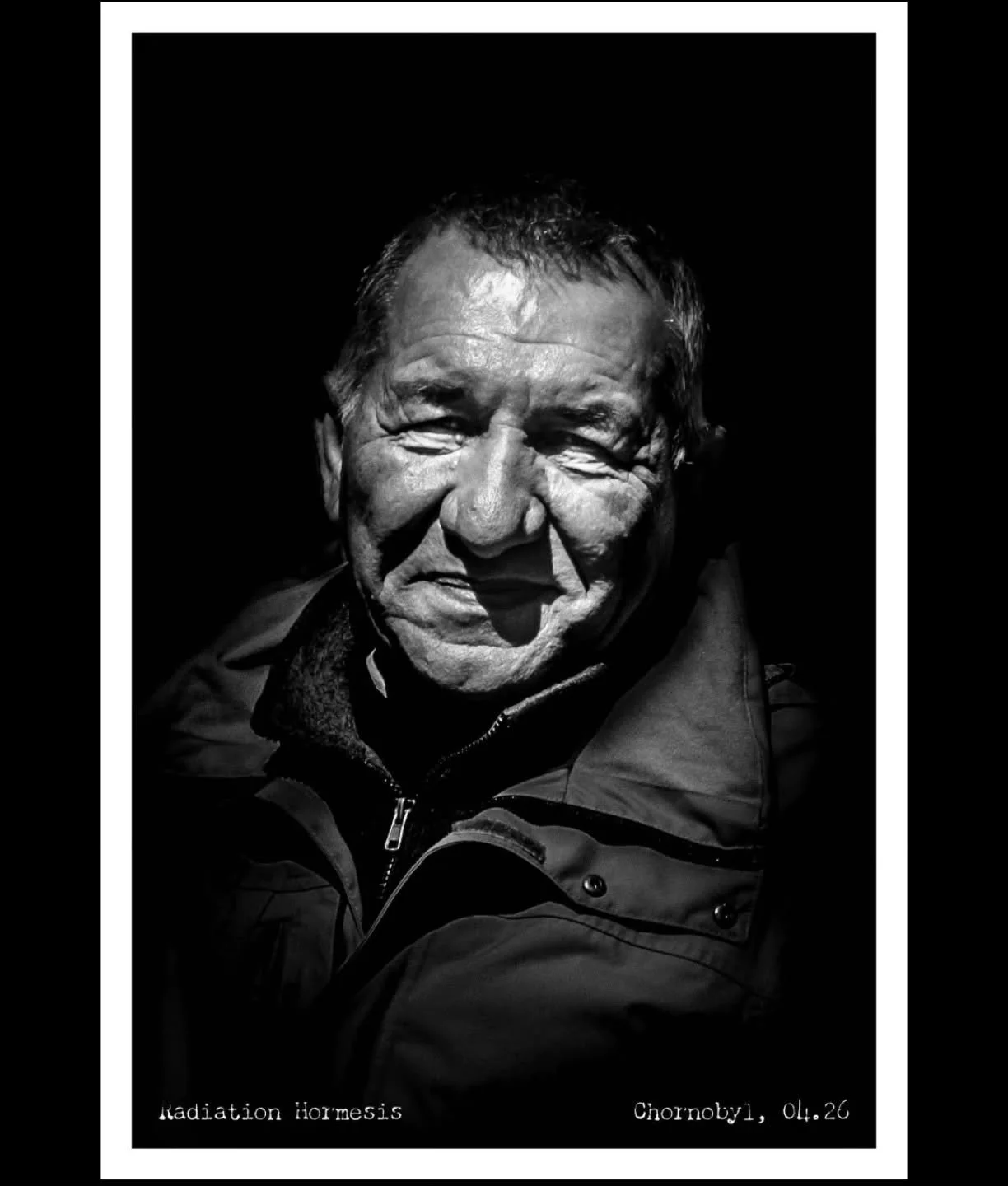
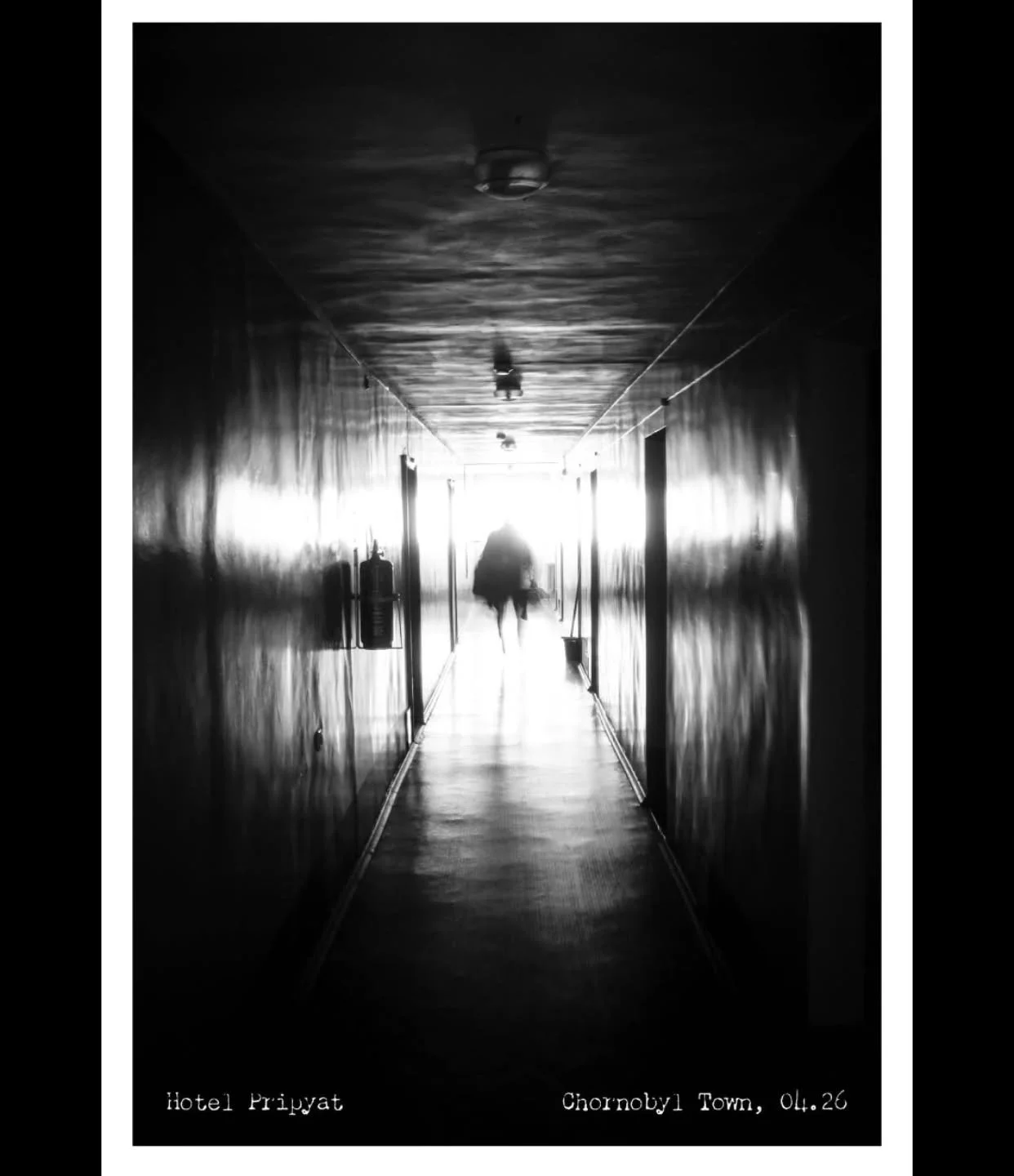
PRESAGING THE SUBLIME: re-Contextualization, Material Anachronism of Archival Works, 2001/2026-Ongoing
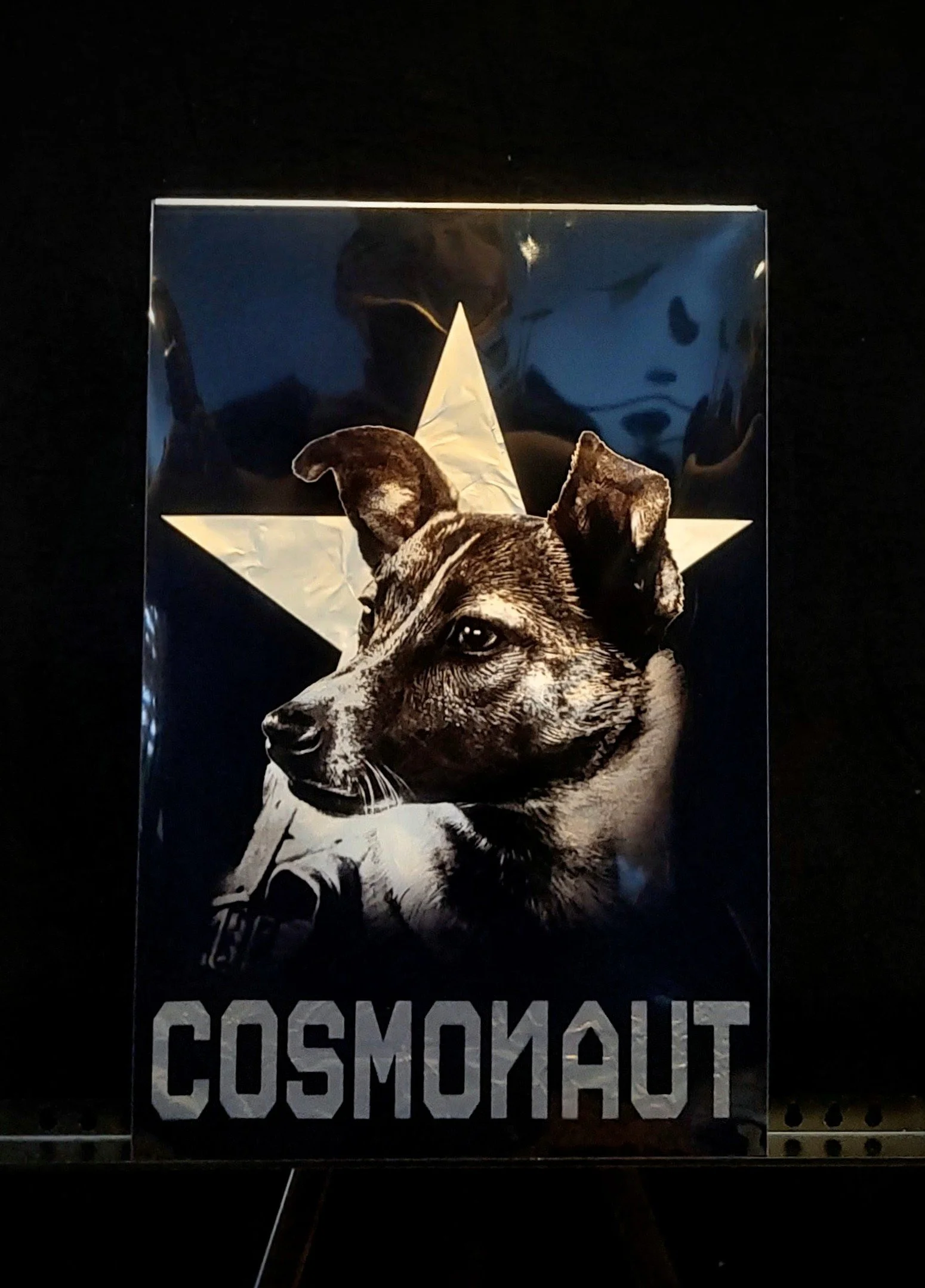
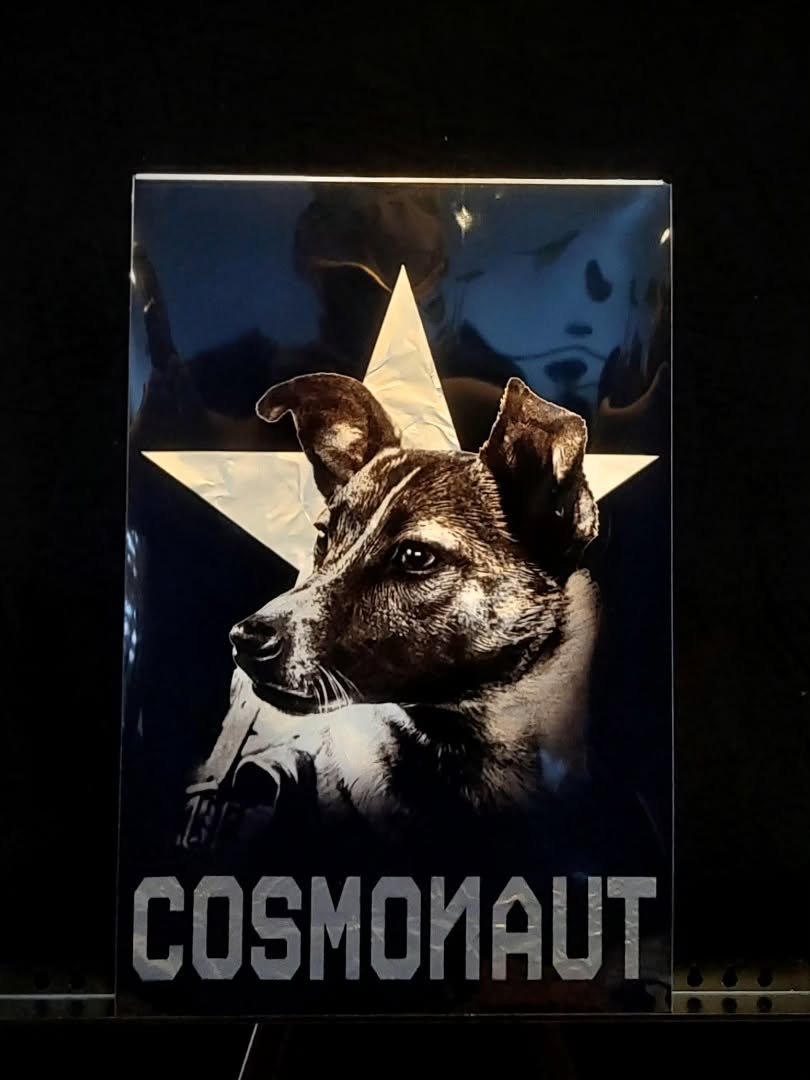
Cosmonaut, 2001/2026
Dye-based inkjet polyester film with embedded typescript, layered over aluminum on archival backing, 12 x 18 inches.
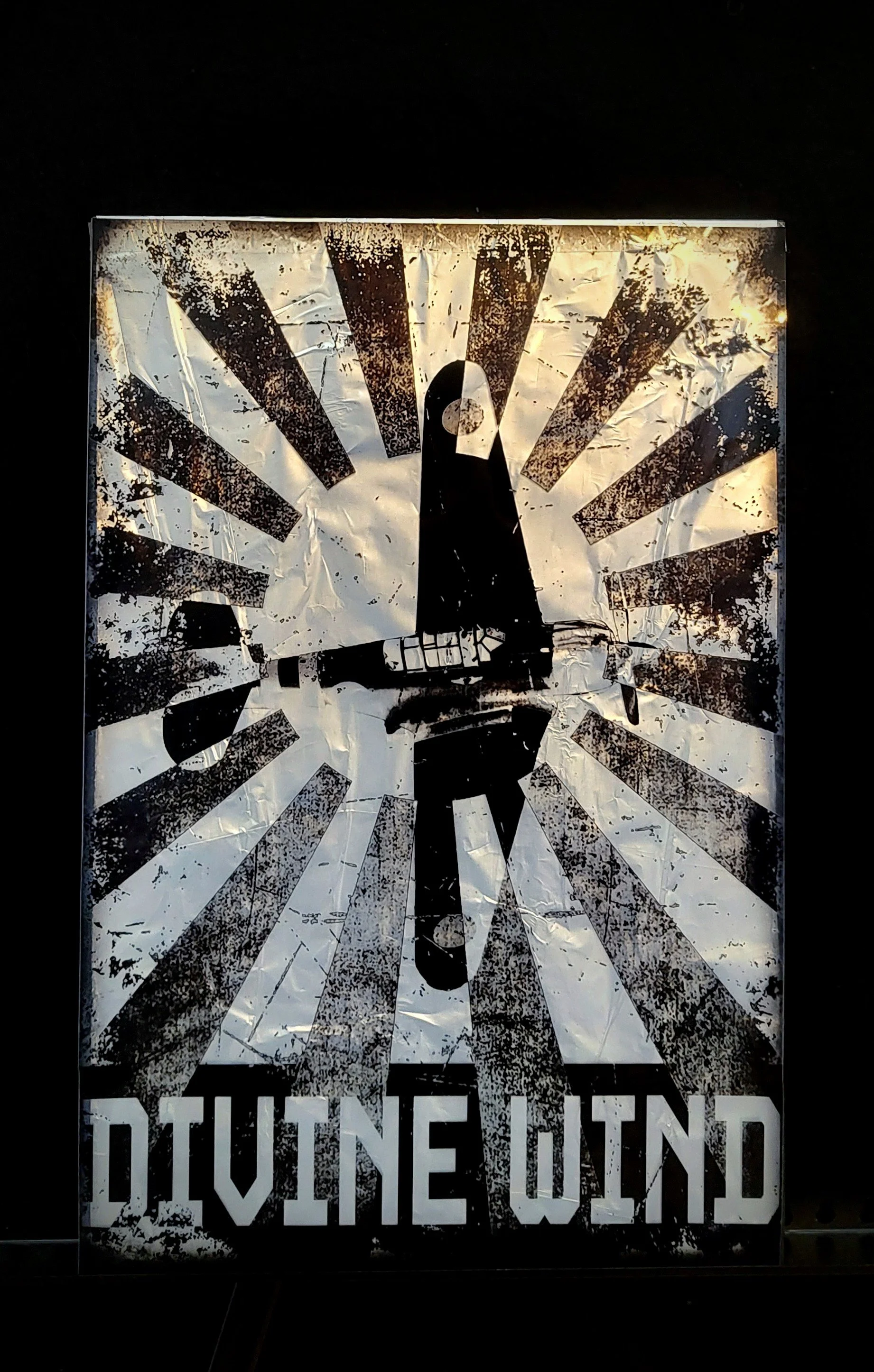
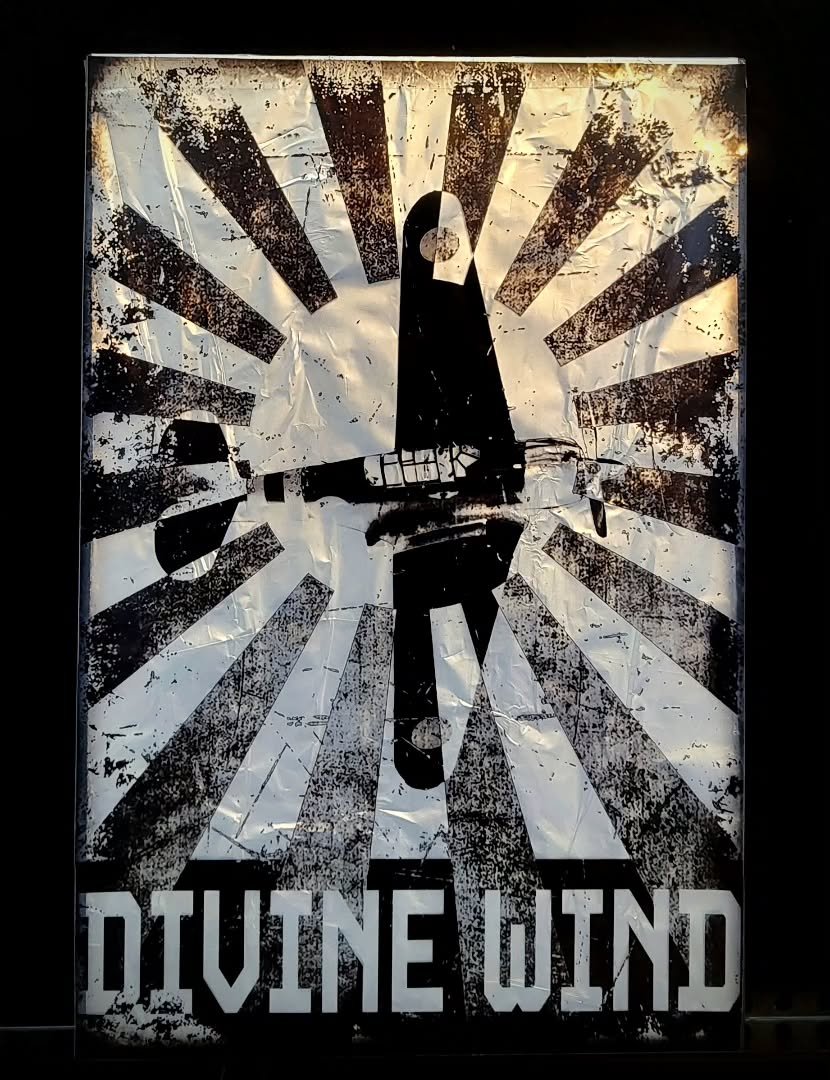
Divine Wind, 2001/2026
Dye-based inkjet polyester film with embedded typescript, layered over aluminum on archival backing, 12 x 18 inches.
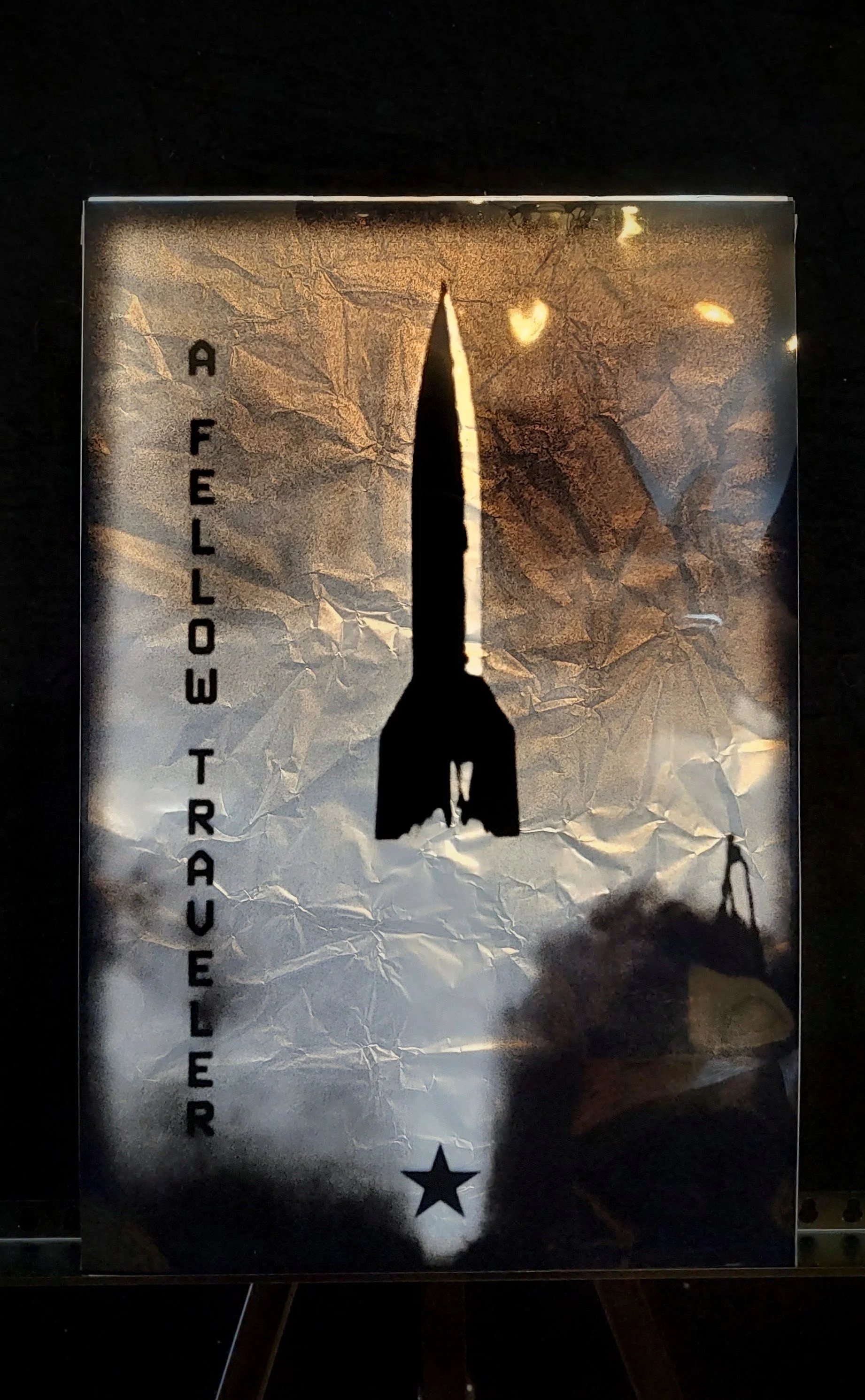
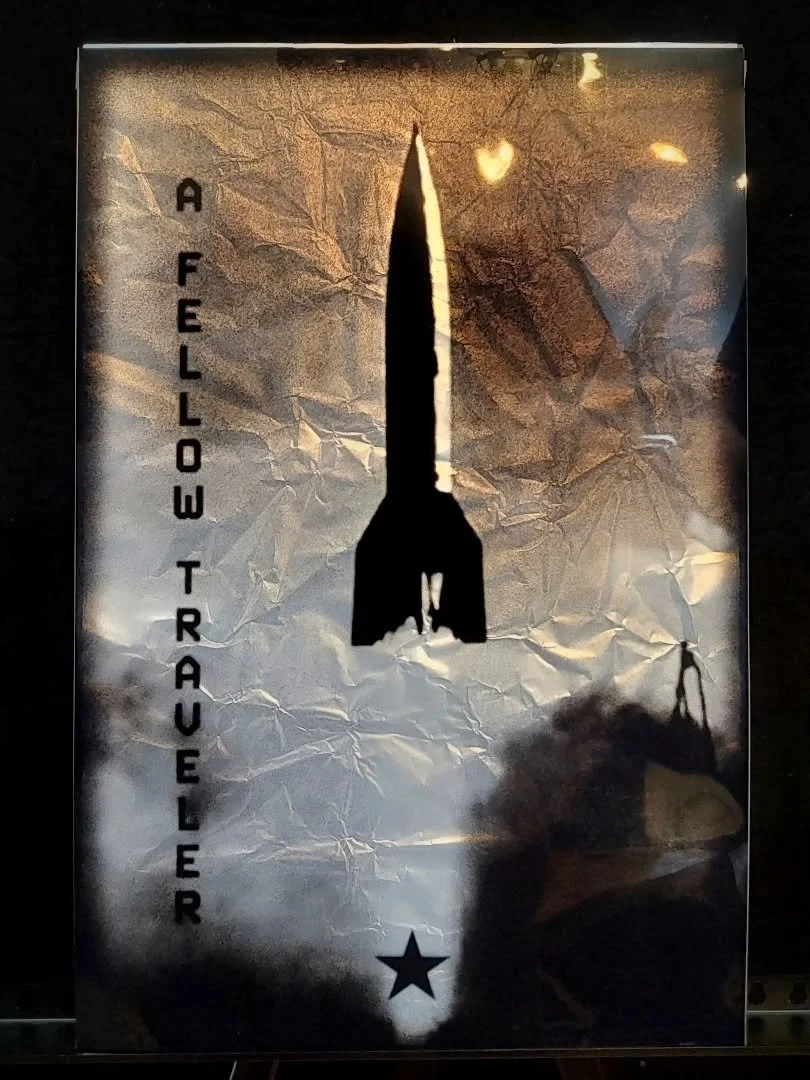
A Fellow Traveler, 2001/2026
Dye-based inkjet polyester film with embedded typescript, layered over aluminum on archival backing, 12 x 18 inches.
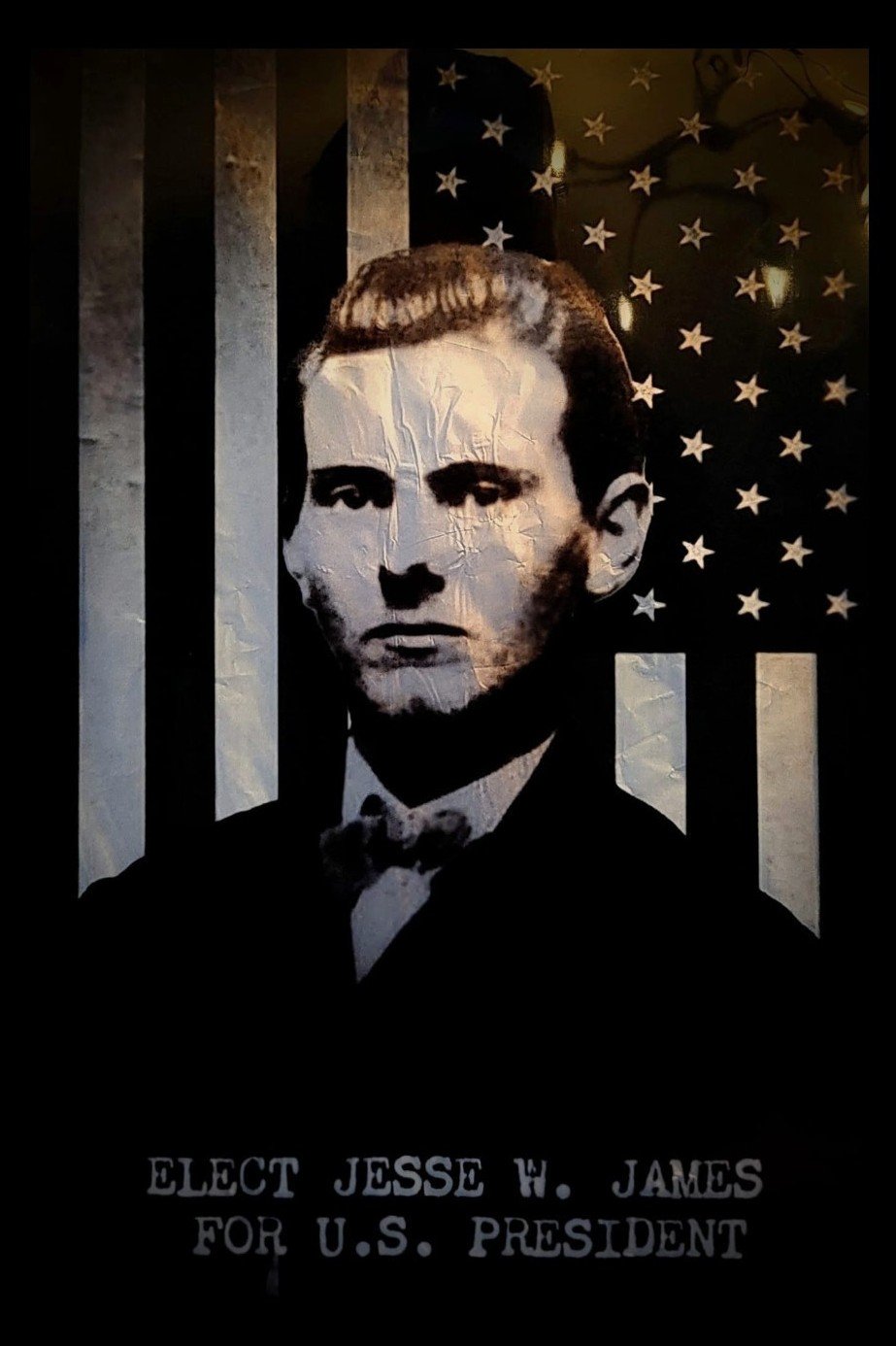
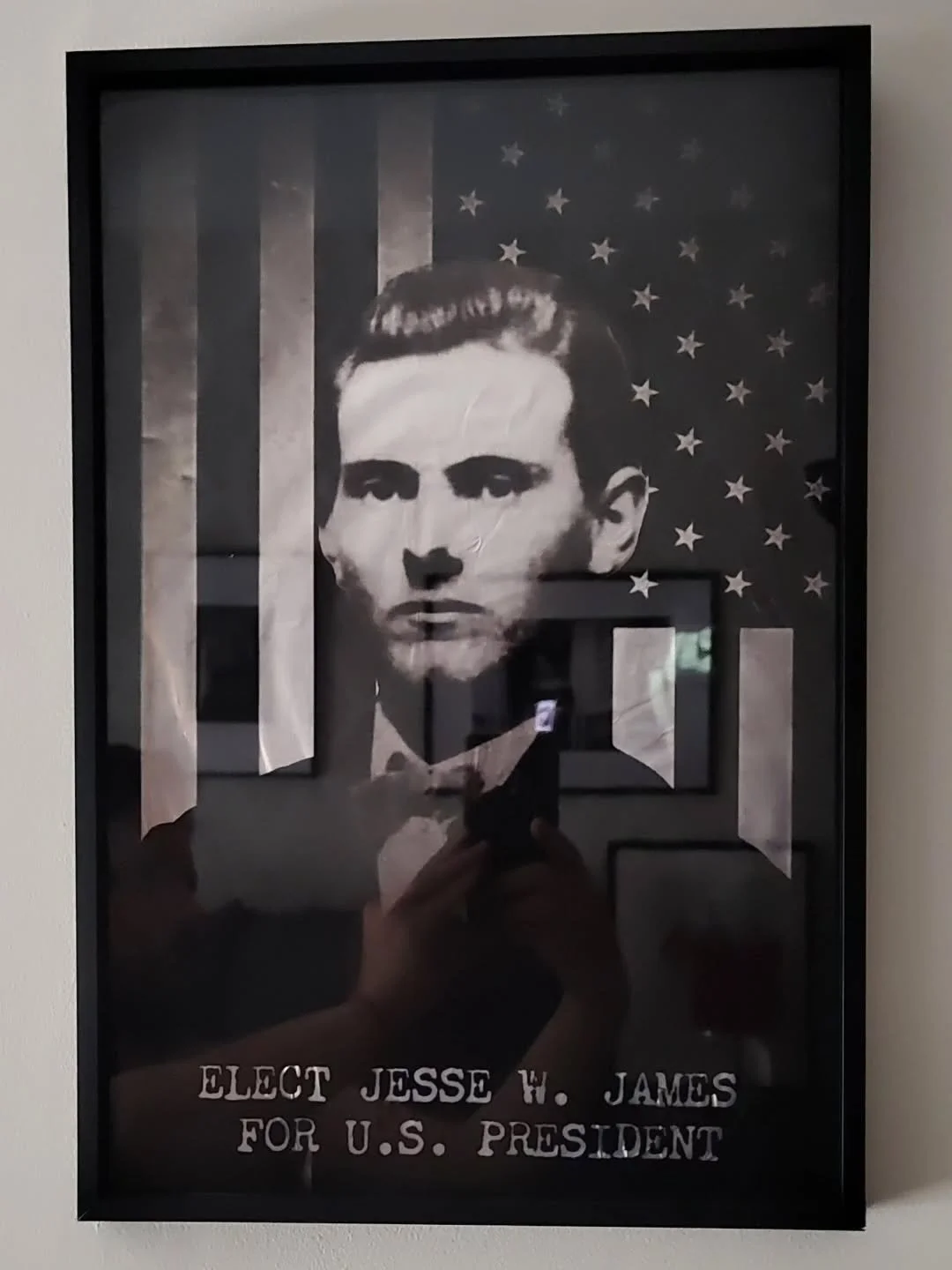
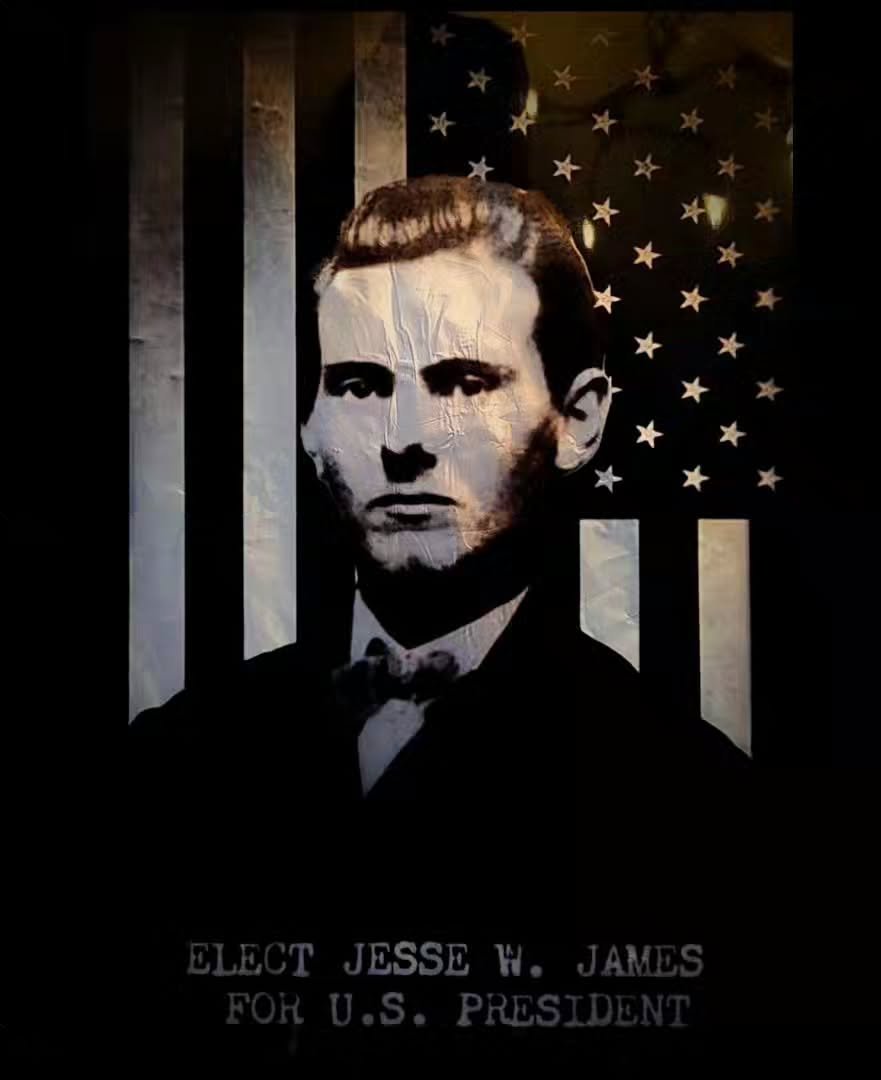
Jesse W. James, 2001/2026
Dye-based inkjet polyester film with embedded typescript, layered over aluminum on archival backing, 12 x 18 inches.
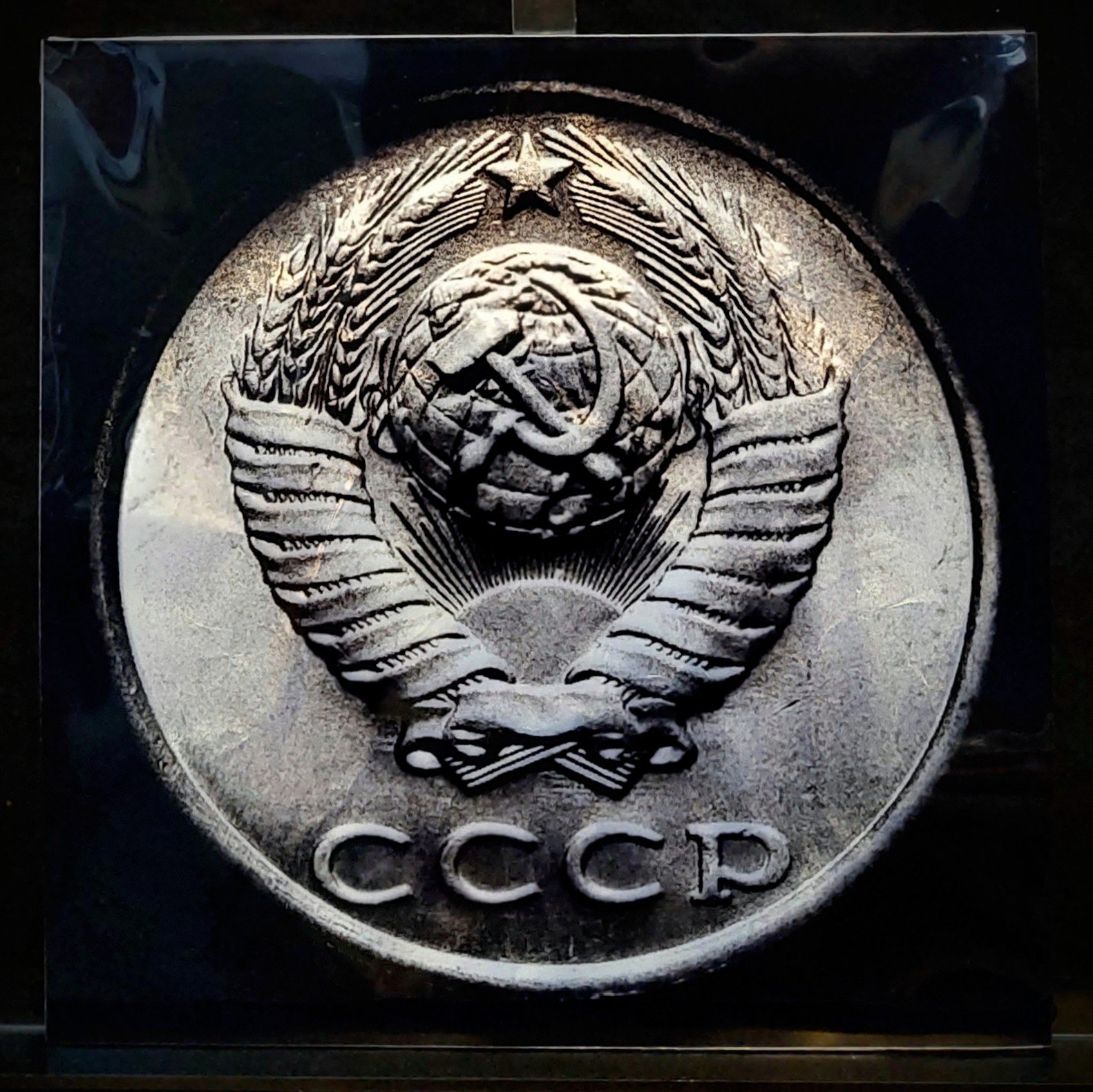
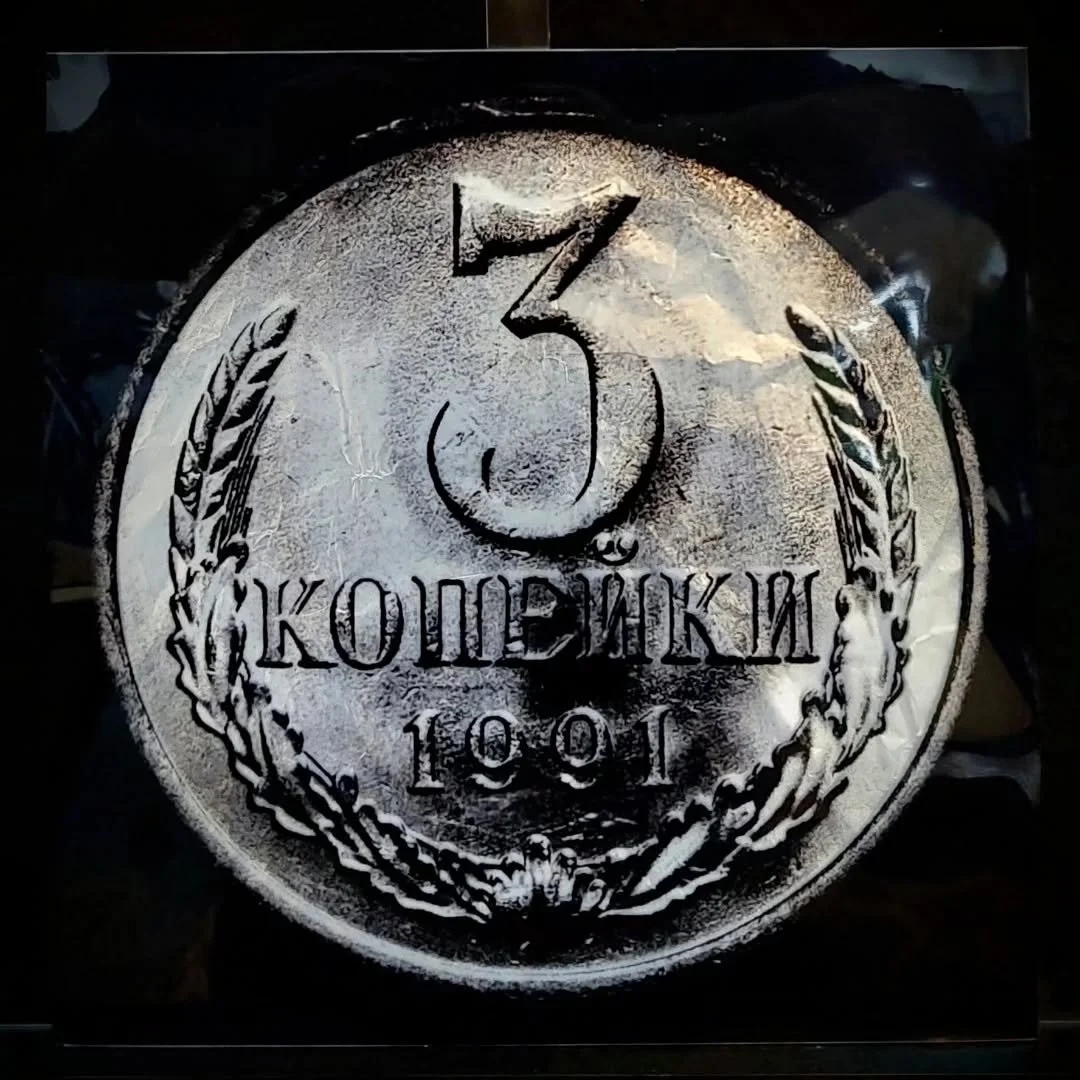
1991, No. 01, 2001/2026
Dye-based inkjet polyester film with embedded typescript, layered over aluminum on archival backing, 12 x 12 inches.
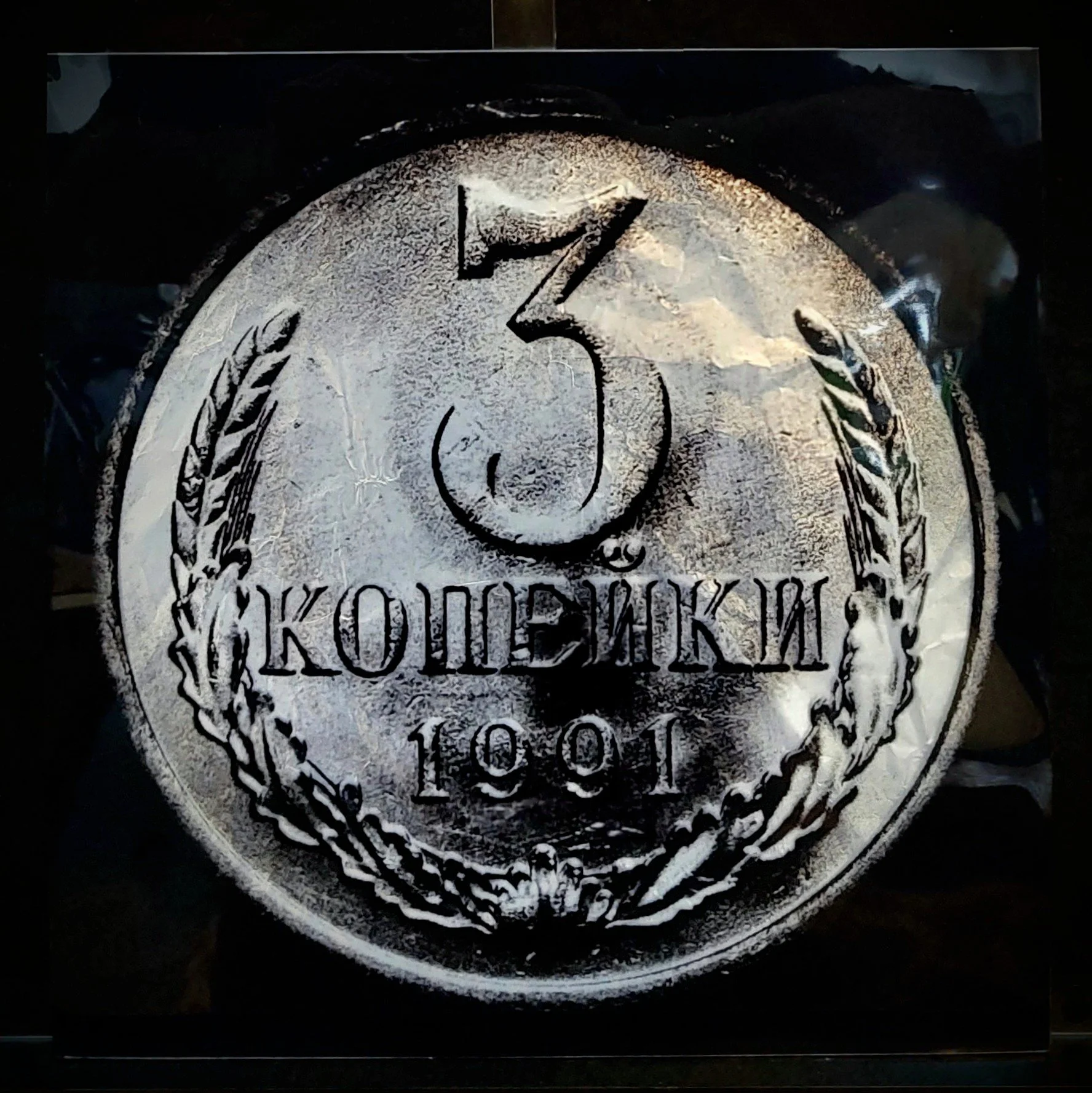
1991, No. 02, 2001/2026
Dye-based inkjet polyester film with embedded typescript, layered over aluminum on archival backing, 12 x 12 inches.
VIRTUAL SUBLIMITY: Digital Manipulation, Collage, 2026-Ongoing
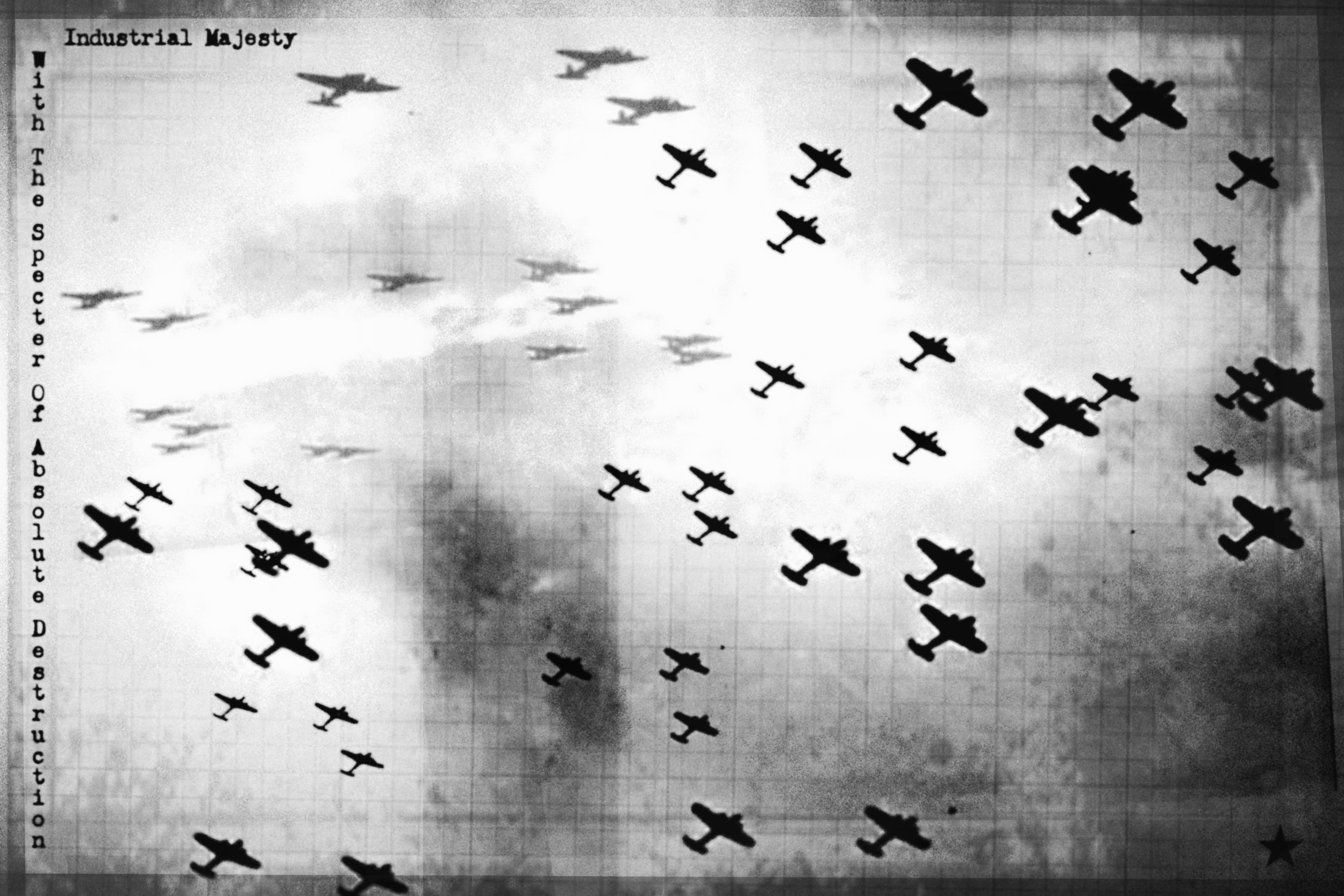
Cosmonaut, 2001/2026
Digital Proof.
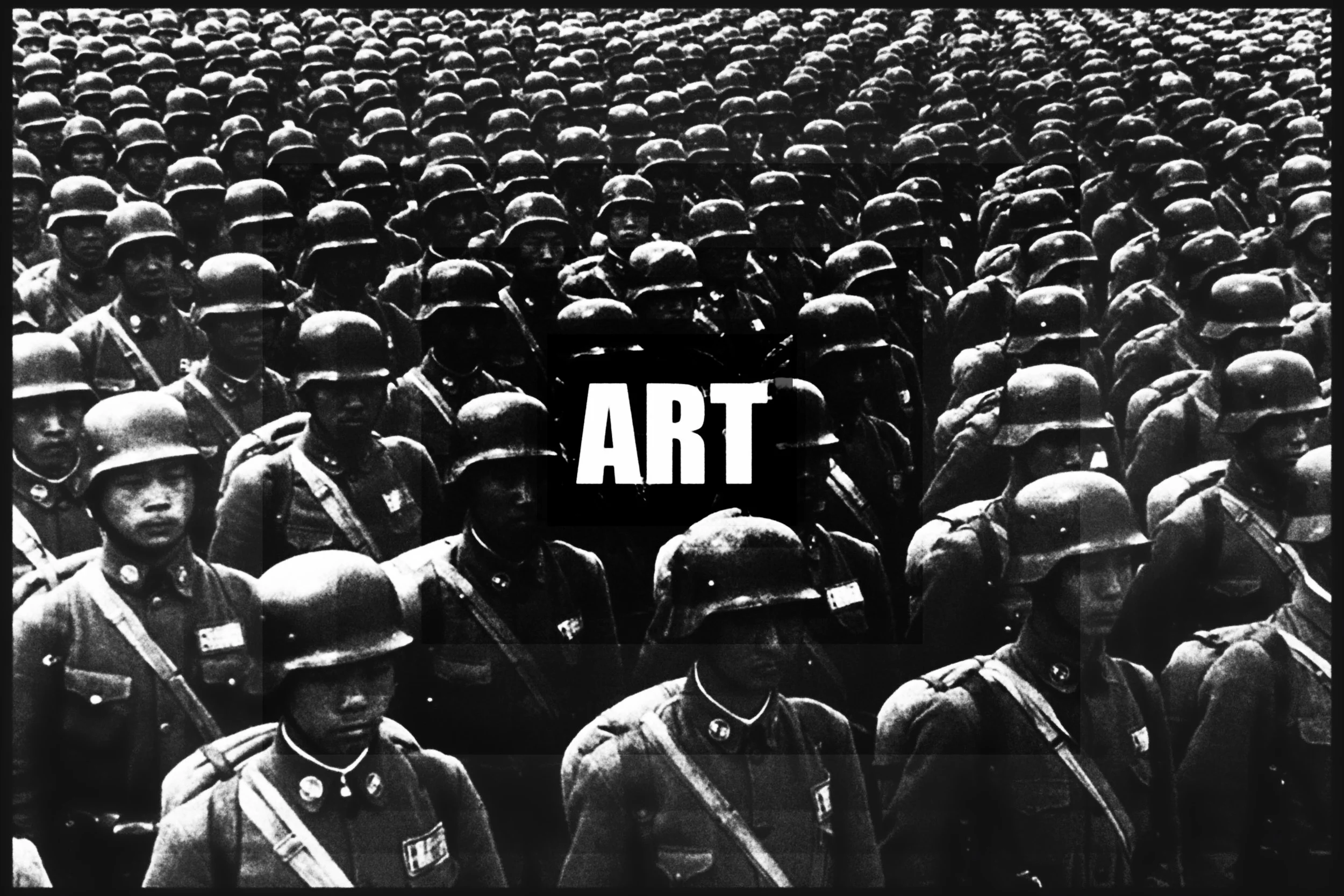
Art, 2026
Digital Proof.
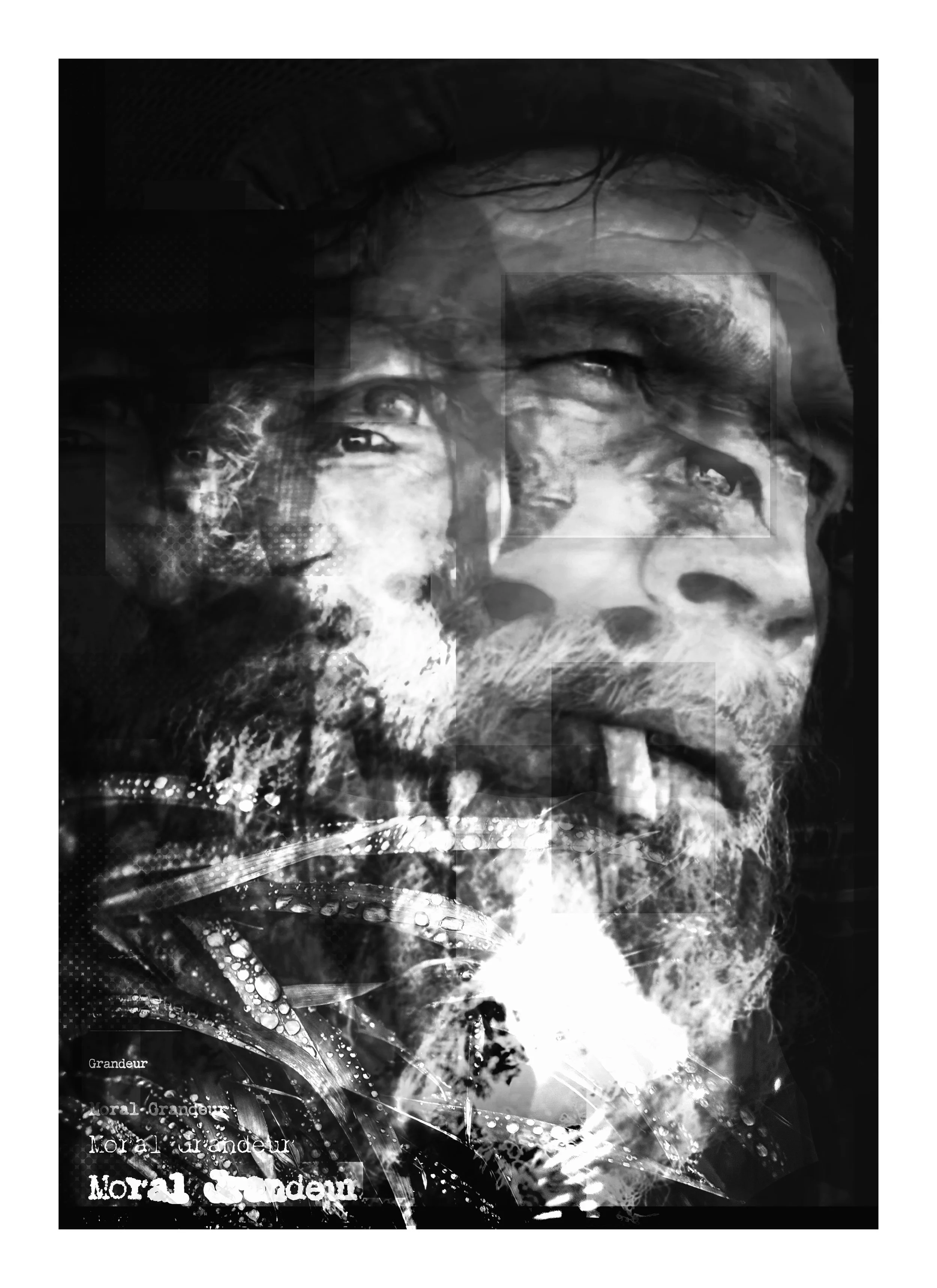
Moral Grandeur, 2026
Digital Proof.