Monographs
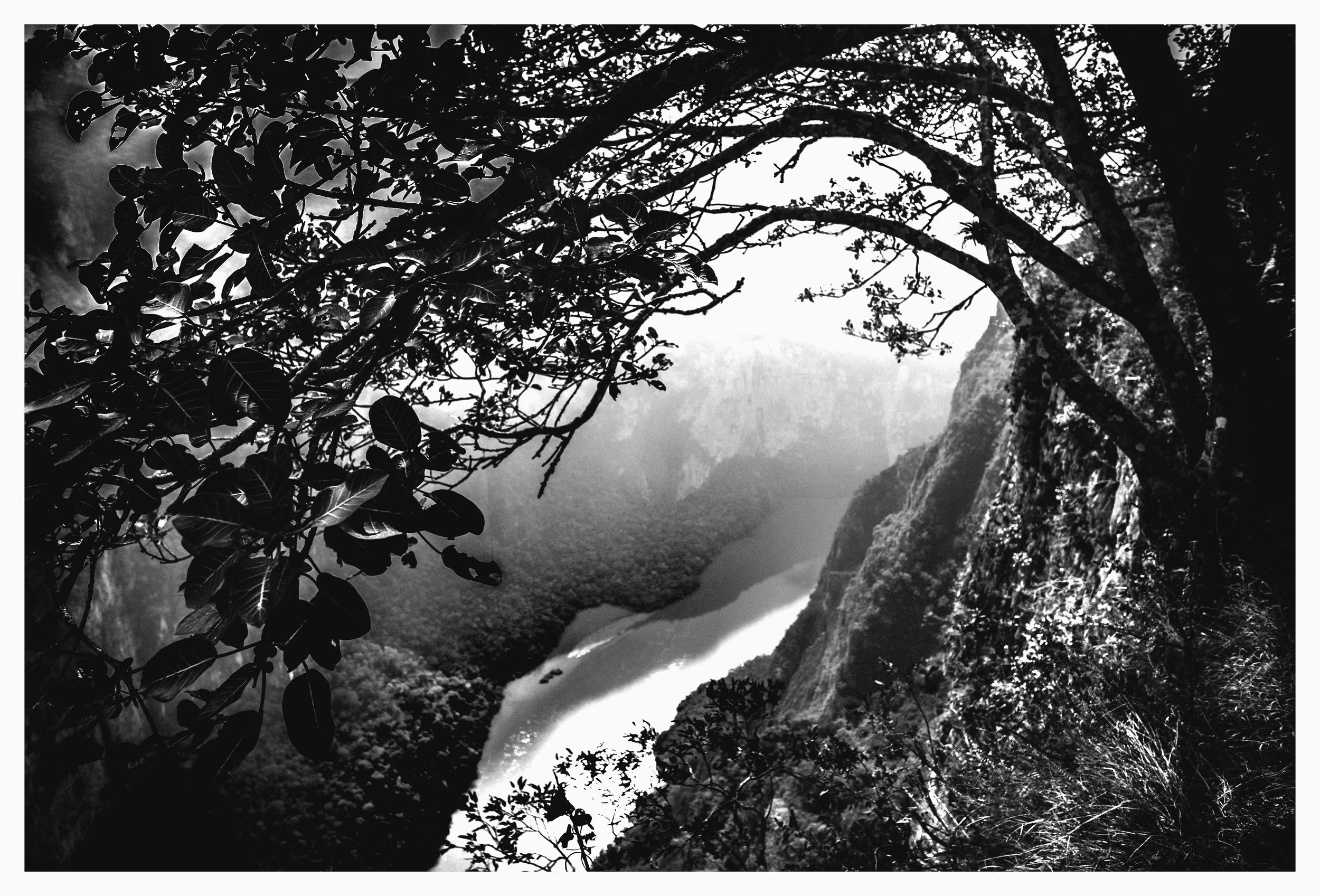
The Distance Between Mountains & Memory, No. 01 (Cañón del Sumidero, Chiapas), 2025. Archival Pigment Print, Edition of 15.
Ancestral Cognition & The Subconscious Terrain
2025
The Distance Between Mountains & Memory
To the Tzeltal people, to look toward the New Year is to aspire to the mountain's peak. Living in this vertical world, the reality of time is carved into the earth: the past forms the foundation upon which one stands, and the future is a destination to be ascended. The Chiapas highlands move through time alongside the growth of corn; as the seasonal cycle turns, the heavy burden of generations—both the governed and the governors—merges into a singular, circular rhythm of life. In these highlands, the landscape is not merely a backdrop for Mayan history, but the physical embodiment of time itself—layered, recurring, and forever uphill.
The Mesoamerican mountains—volcanic peaks, valleys, and cloud forests stretching from the Valley of Mexico to the Mayan Highlands—form a landscape deeply intertwined with memory, specifically for the Tzotzil-Maya communities near San Cristóbal, Chamula, Zinacantán, and beyond. From this cultural center, the project explores how the physical characteristics of the terrain—fields, slopes, and village streets—shape community perceptions and narratives over the passage of time.
I view form as a living interface: a photograph functions as a deliberate boundary that can both reveal and conceal, capturing a moment frozen in time while inviting a broader understanding of temporality. In this way, each frame becomes a site where the local is made legible through light, gesture, and material culture—the pattern of weavings on a loom, the curve of a laboring hand, the architecture of wood and stone, and the distance between mountains and memory. The project unfolds through a dialogue that emphasizes time as a constructed yet living dimension. The work challenges linear narratives of tradition and change, instead proposing a continuum where landscape, language, and people shape meaning across generations. Form, time, and space are not external entities to be captured, but co-creators of perception—each frame contributing to a collective sense of place that is tangible, contested, and alive.
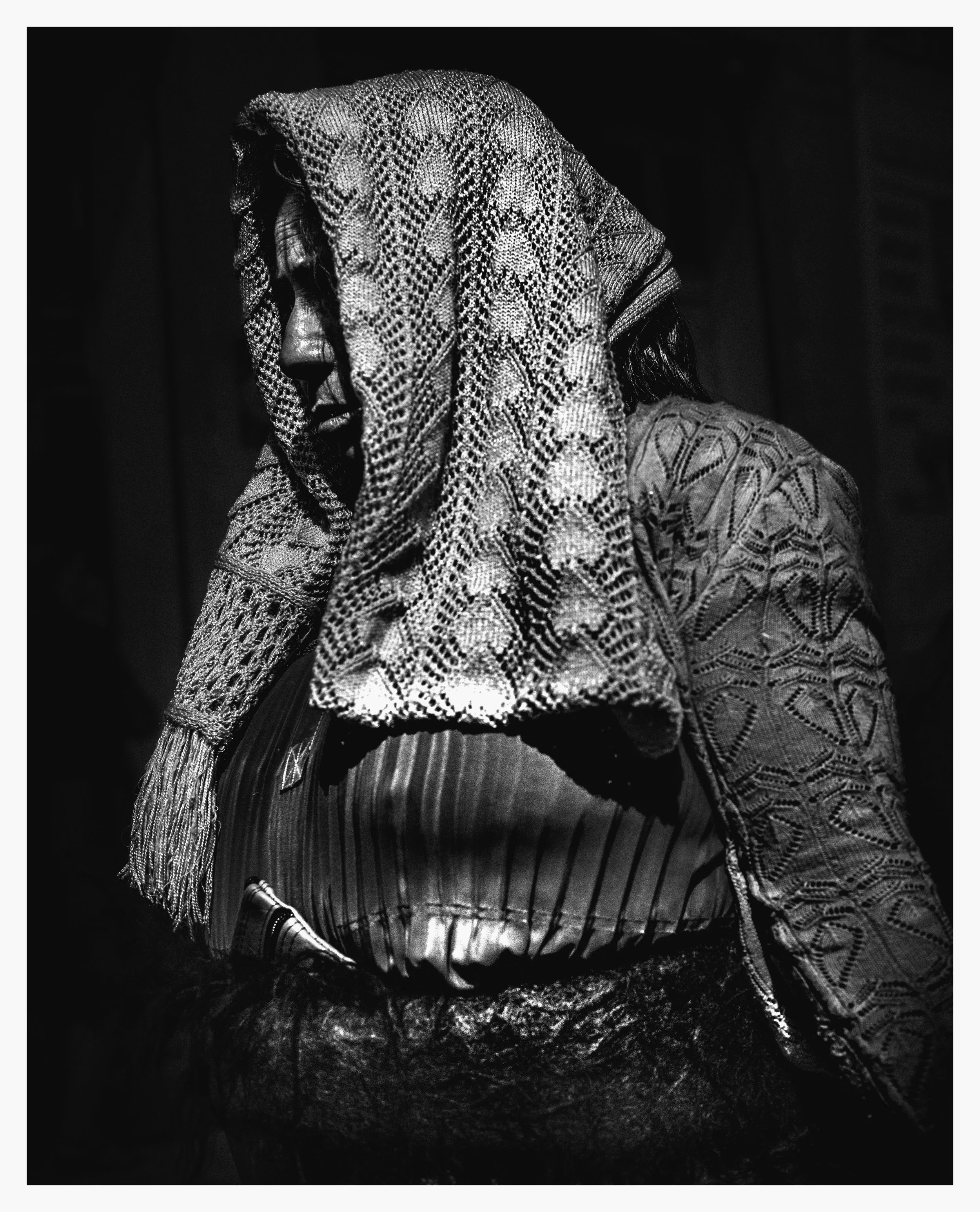
The Distance Between Mountains & Memory, No. 02 (San Juan Chamula, Chiapas), 2025. Archival Pigment Print, Edition of 15.
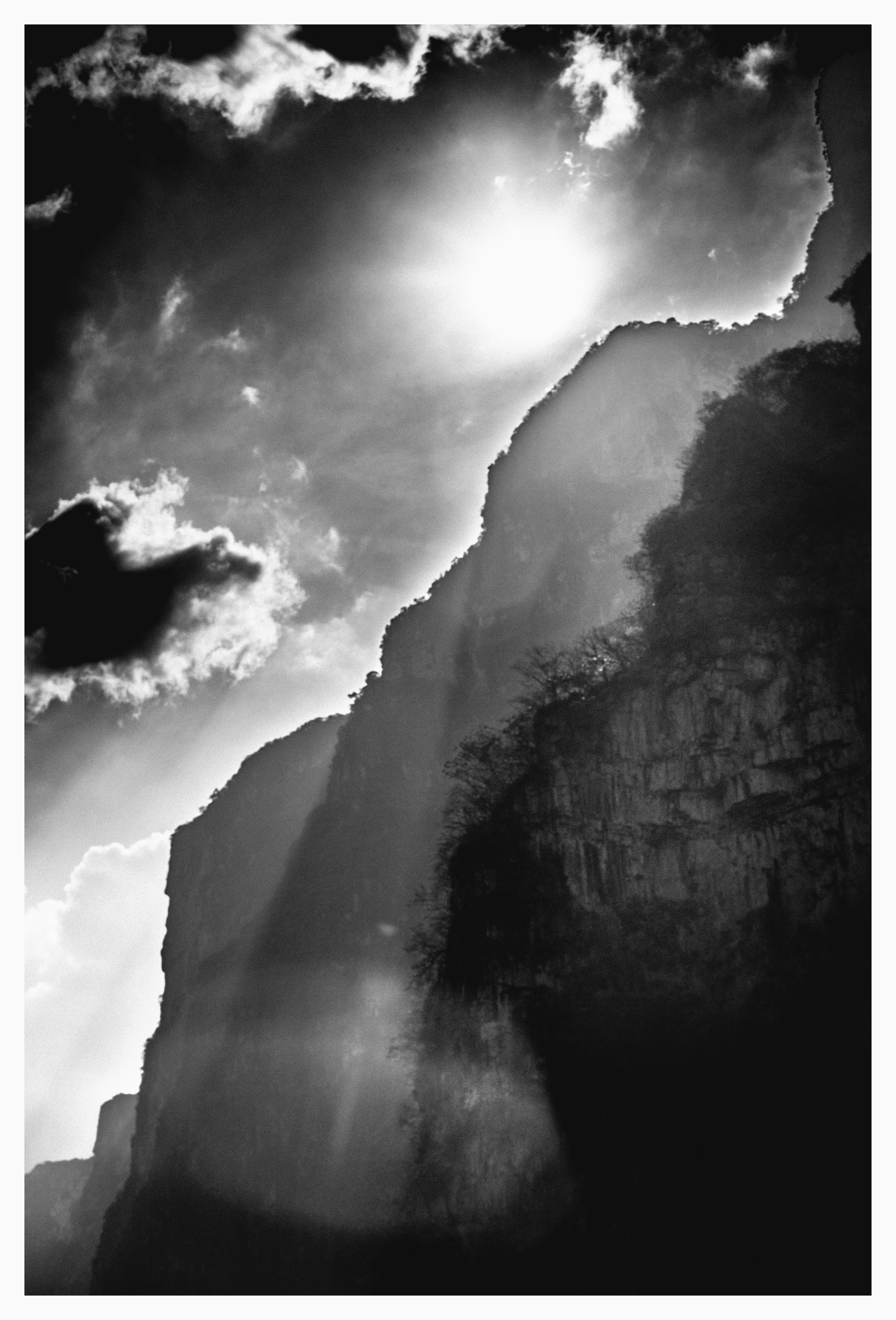
The Distance Between Mountains & Memory, No. 03 (Cañón del Sumidero, Chiapas), 2025. Archival Pigment Print, Edition of 15.
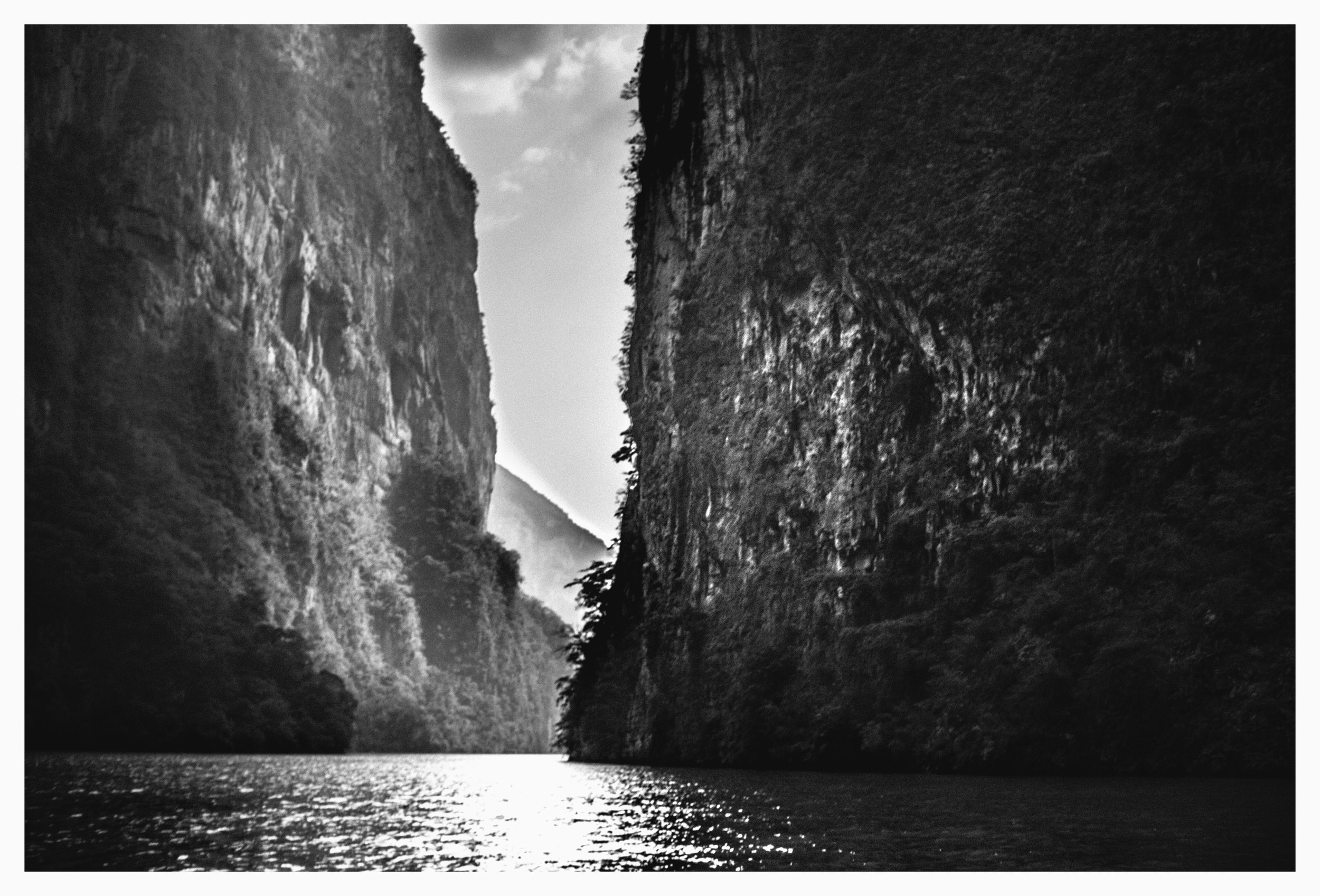
The Distance Between Mountains & Memory, No. 04 (Cañón del Sumidero, Chiapas), 2025. Archival Pigment Print, Edition of 15.
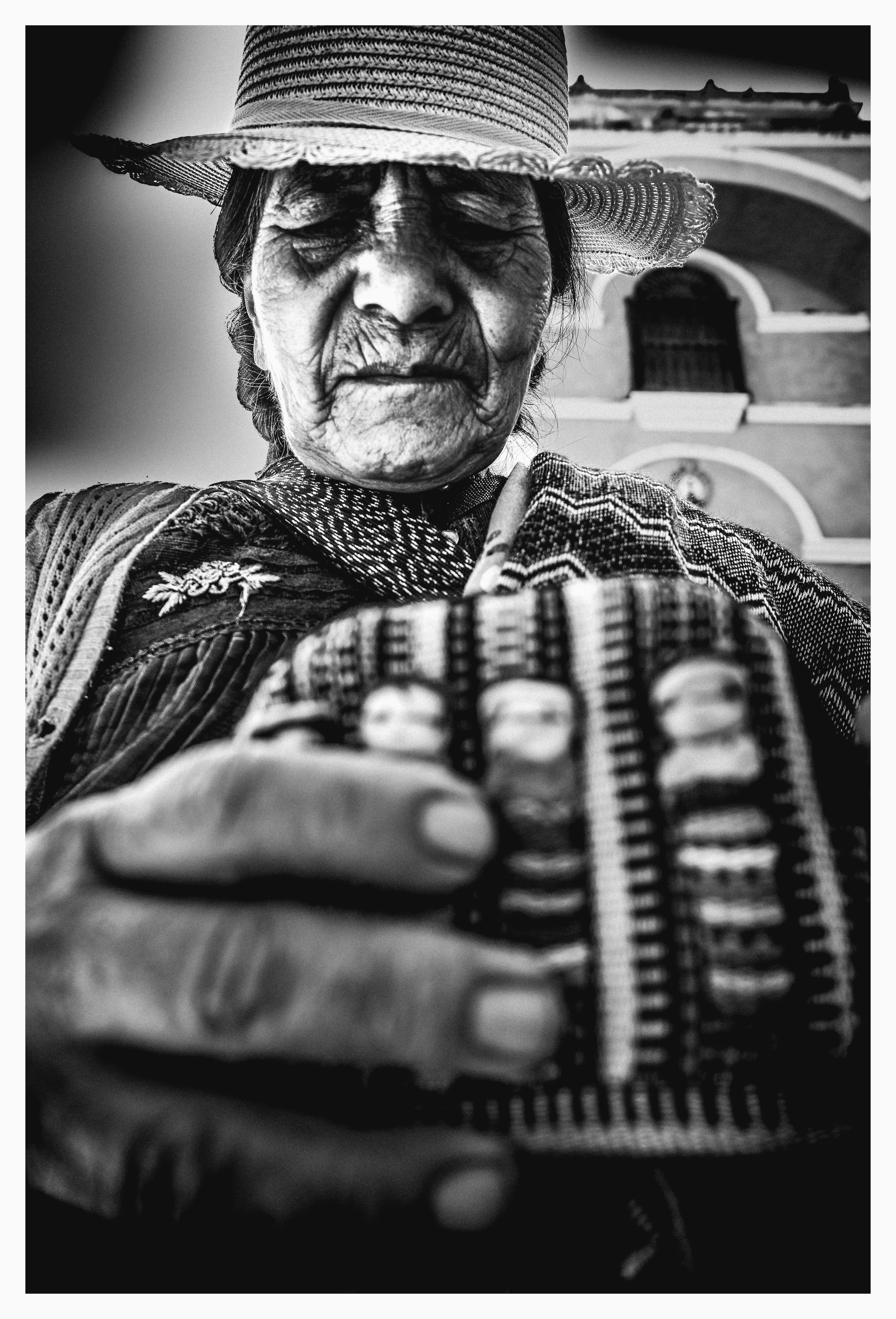
The Distance Between Mountains & Memory, No. 05 (San Cristobal, Chiapas), 2025. Archival Pigment Print, Edition of 15.
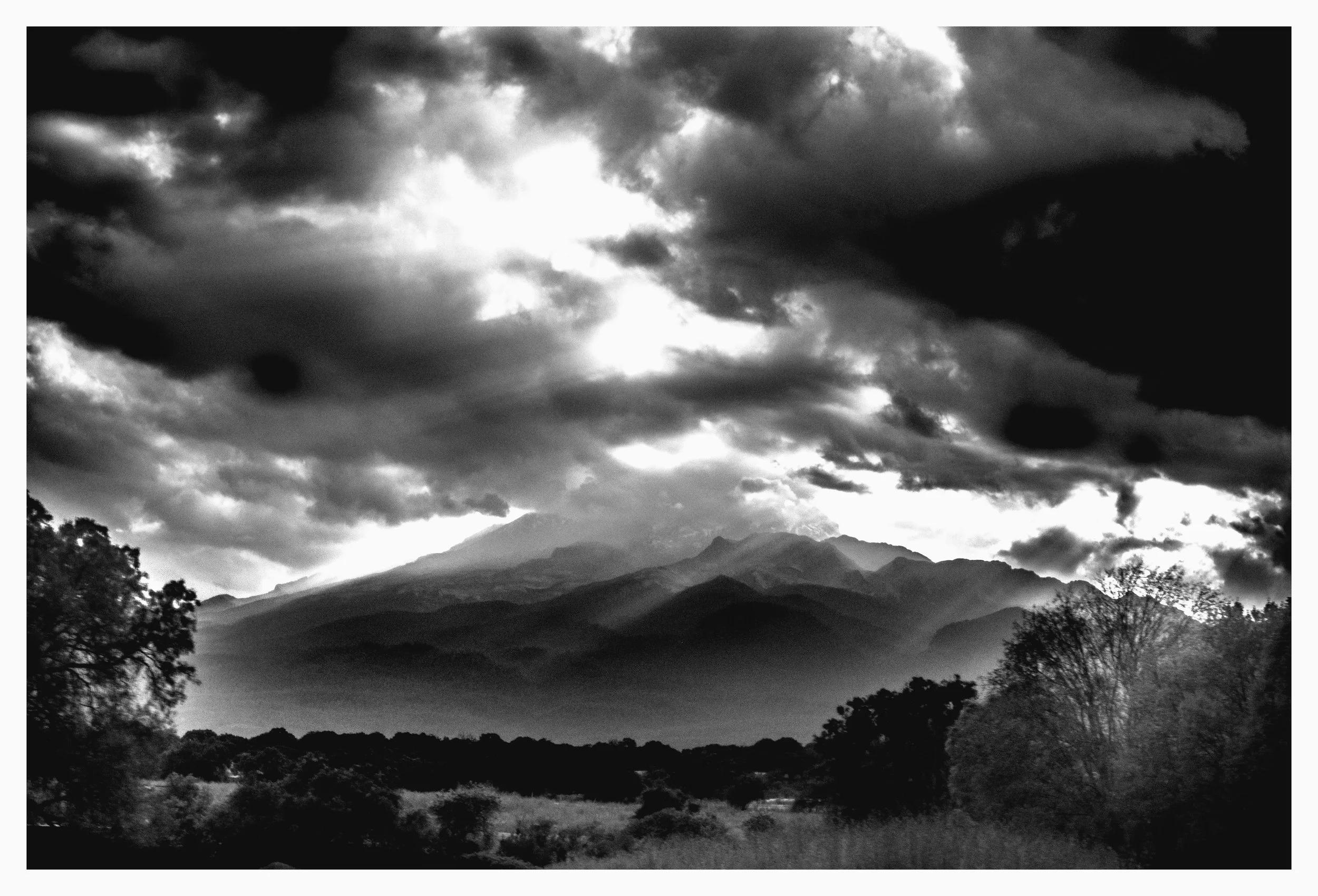
The Distance Between Mountains & Memory, No. 06 (Iztaccihuatl, Puebla), 2025. Archival Pigment Print, Edition of 15
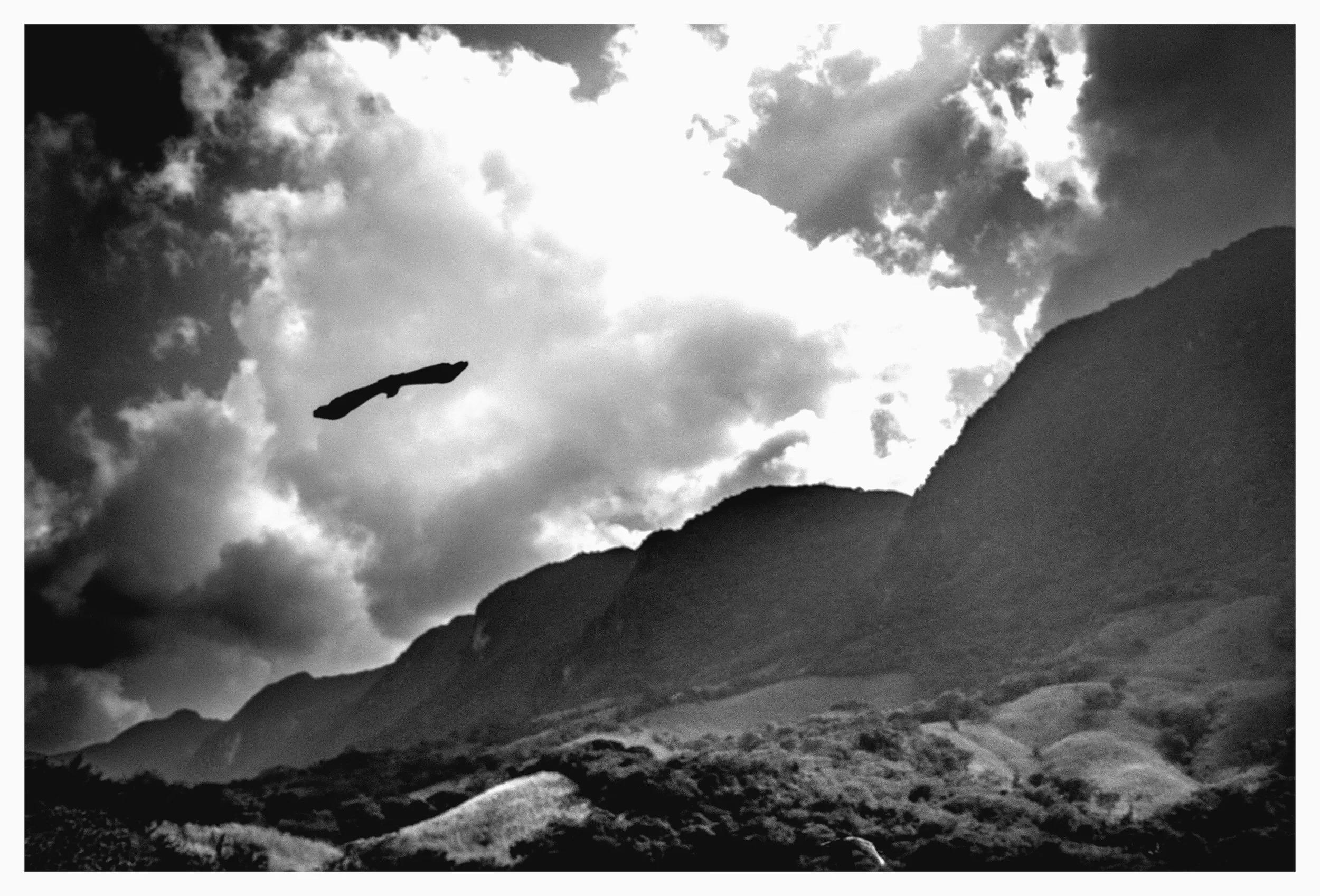
The Distance Between Mountains & Memory, No. 07 (Cañón del Sumidero, Chiapas), 2025. Archival Pigment Print, Edition of 15.
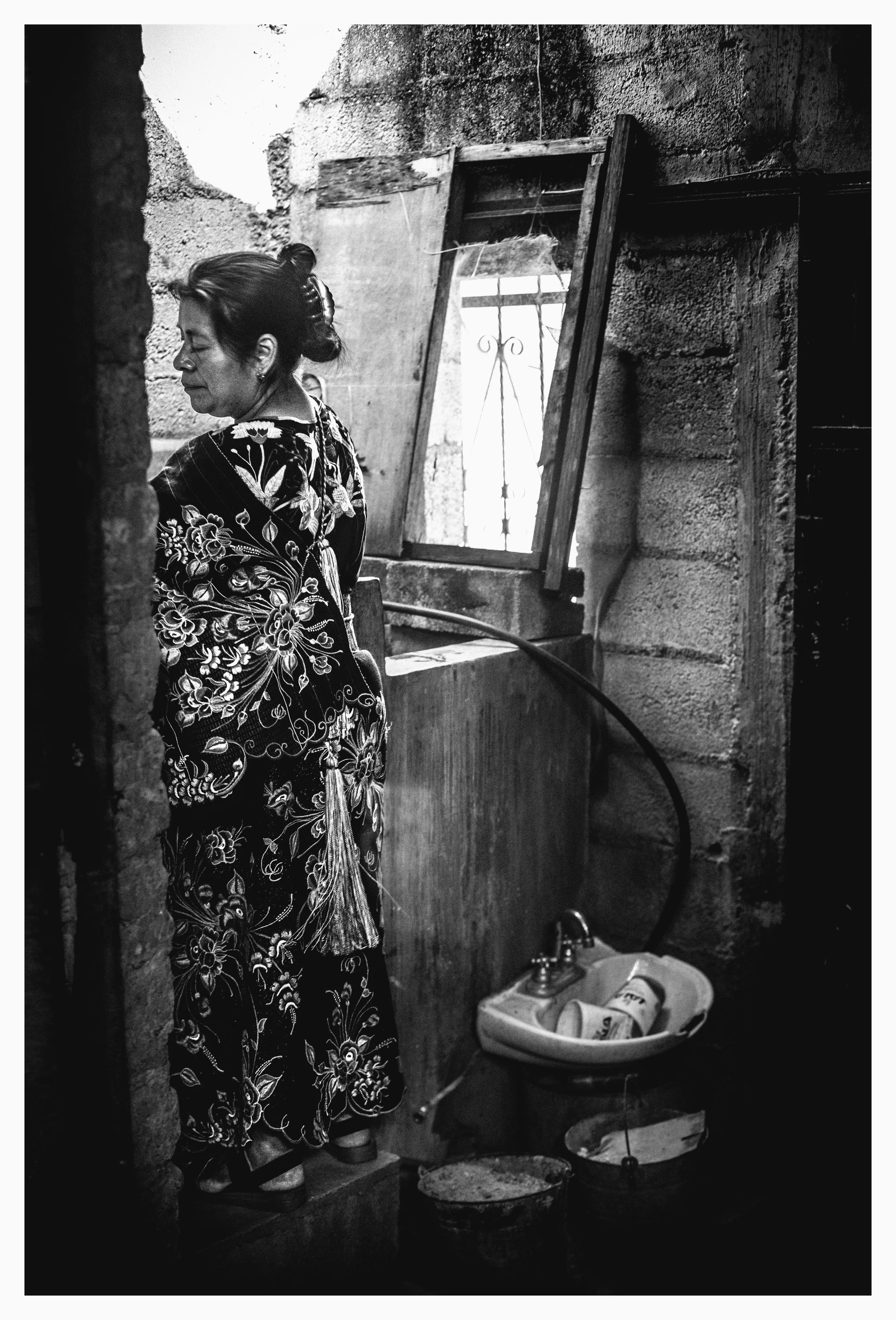
The Distance Between Mountains & Memory, No. 08 (Zinacatan, Chiapas), 2025. Archival Pigment Print, Edition of 15.
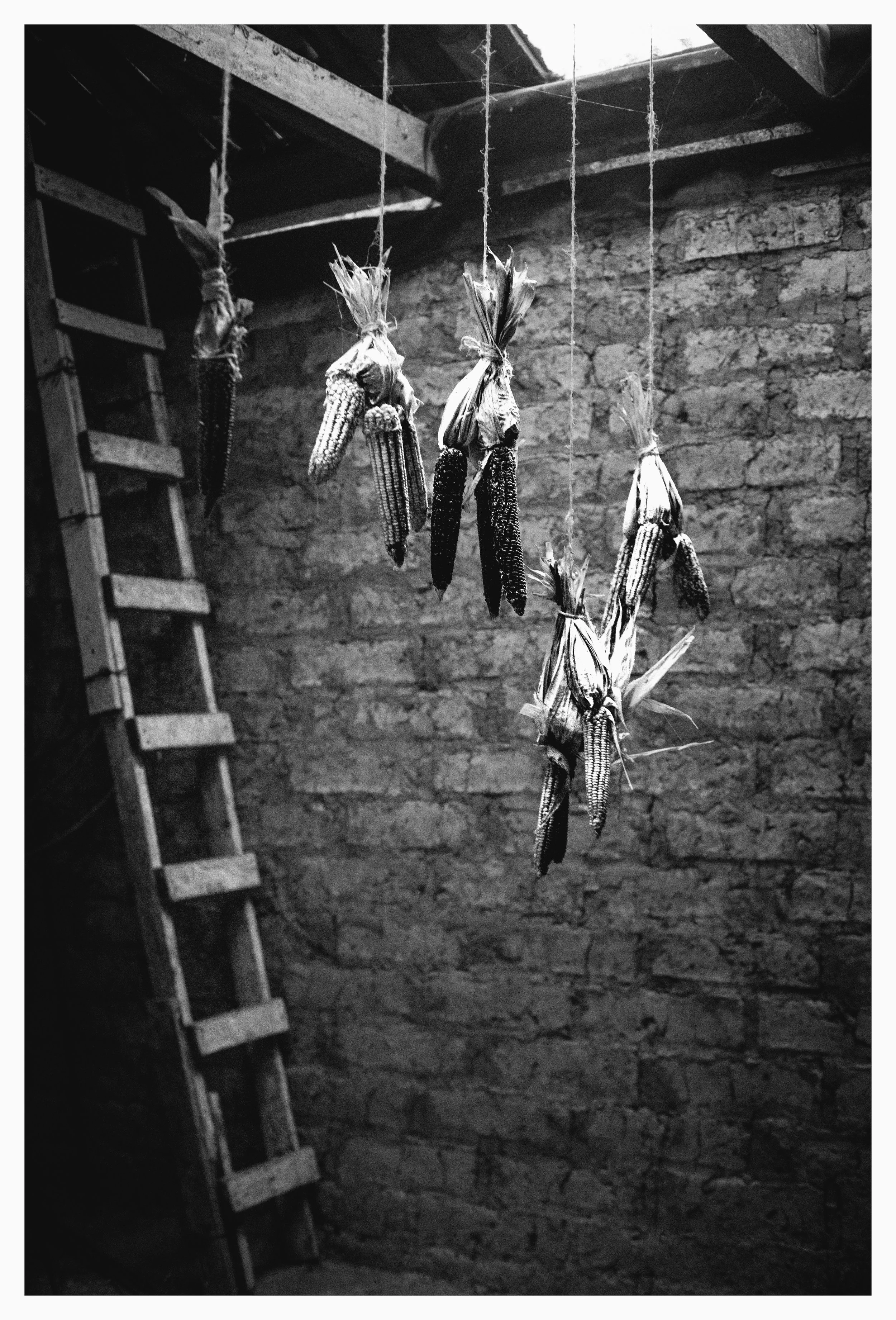
The Distance Between Mountains & Memory, No. 09 (Zinacatan, Chiapas), 2025. Archival Pigment Print, Edition of 15.
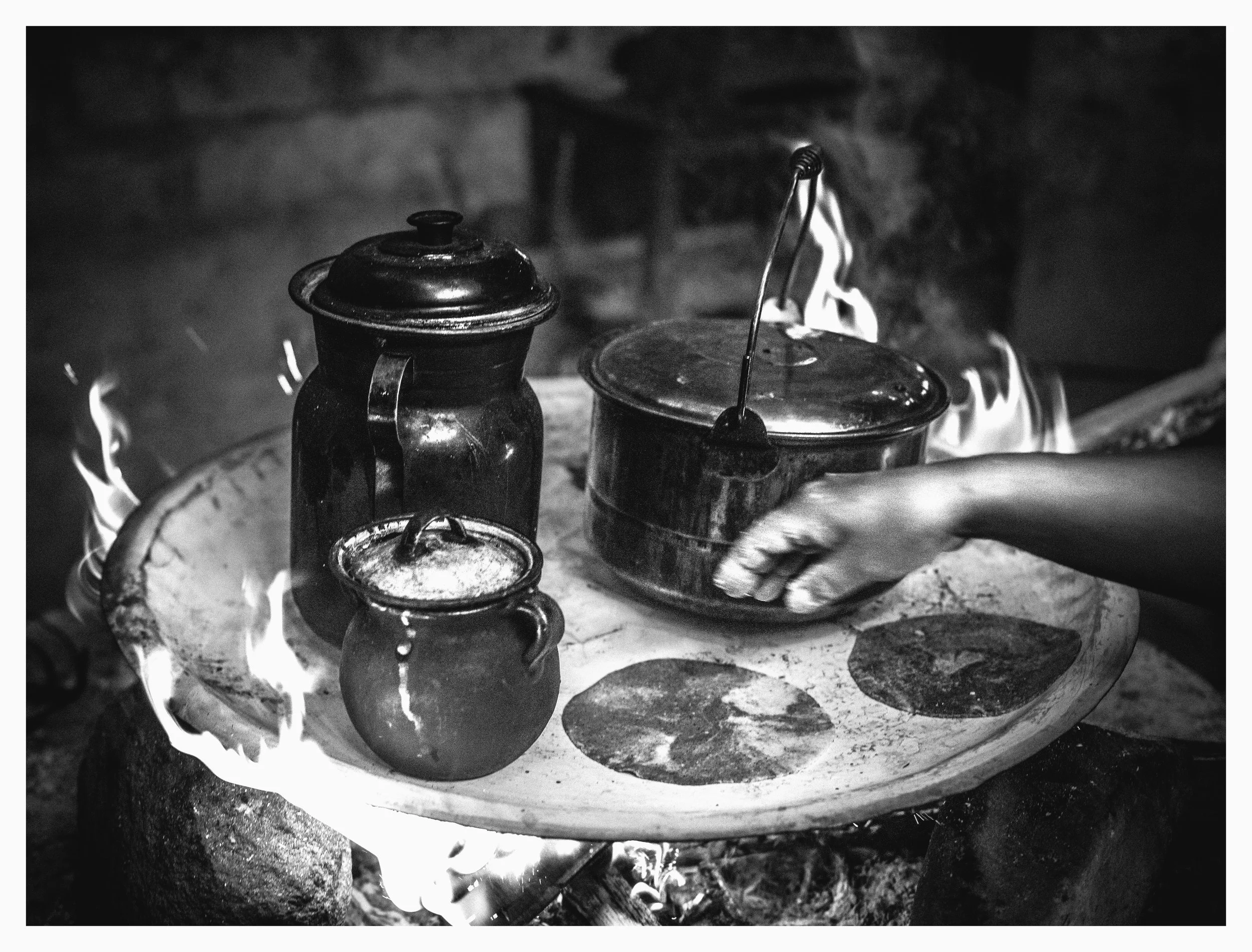
The Distance Between Mountains & Memory, No. 10 (Zinacatan, Chiapas), 2025. Archival Pigment Print, Edition of 15.
The Chiapas highlands move through time alongside the growth of corn; as the seasonal cycle turns, the heavy burden of generations—both the governed and the governors—merges into a singular, circular rhythm of life.
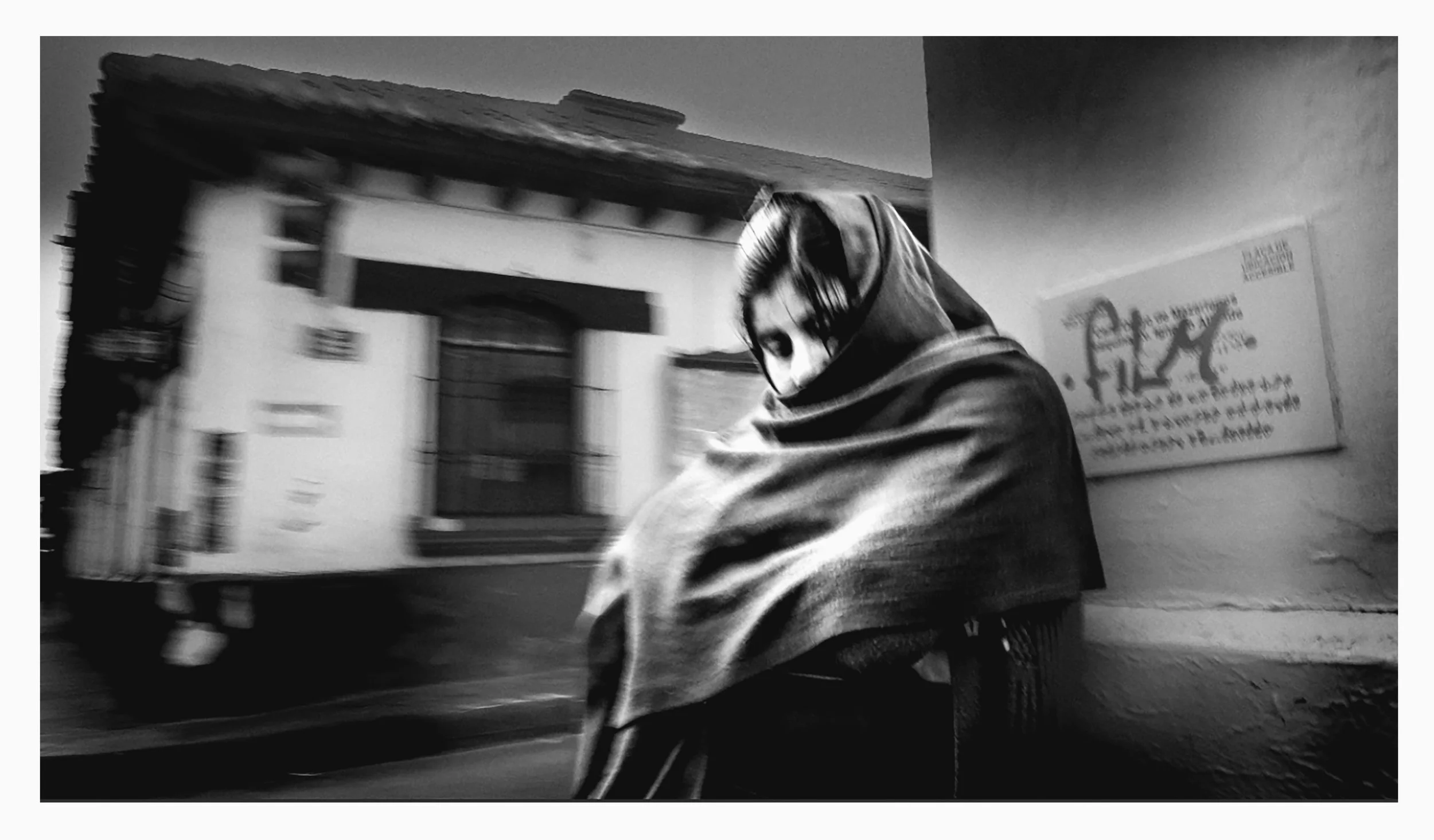
The Distance Between Mountains & Memory, No. 11 (San Cristobal, Chiapas), 2025. Archival Pigment Print, Edition of 15.
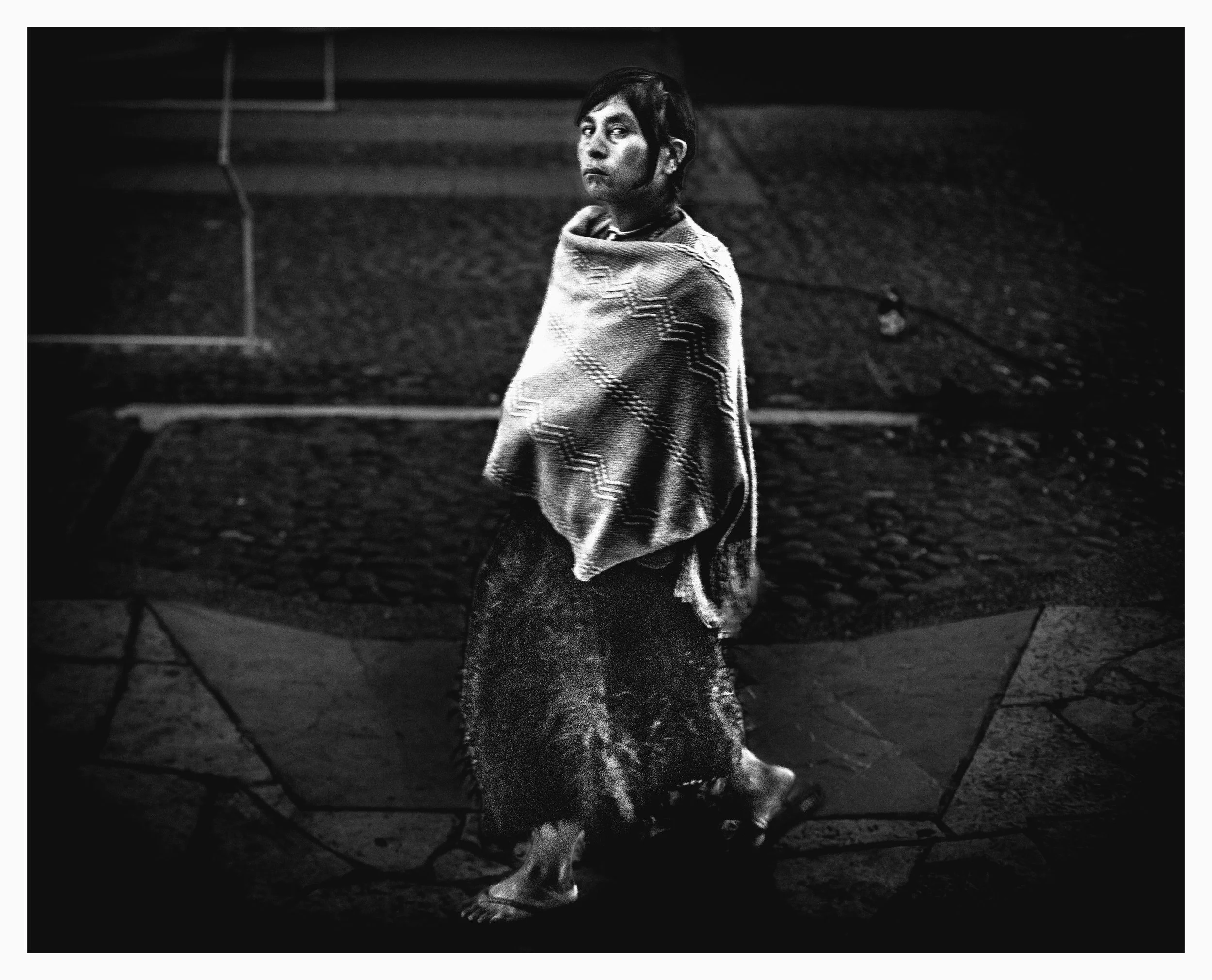
The Distance Between Mountains & Memory, No. 12 (San Cristobal, Chiapas), 2025. Archival Pigment Print, Edition of 15.
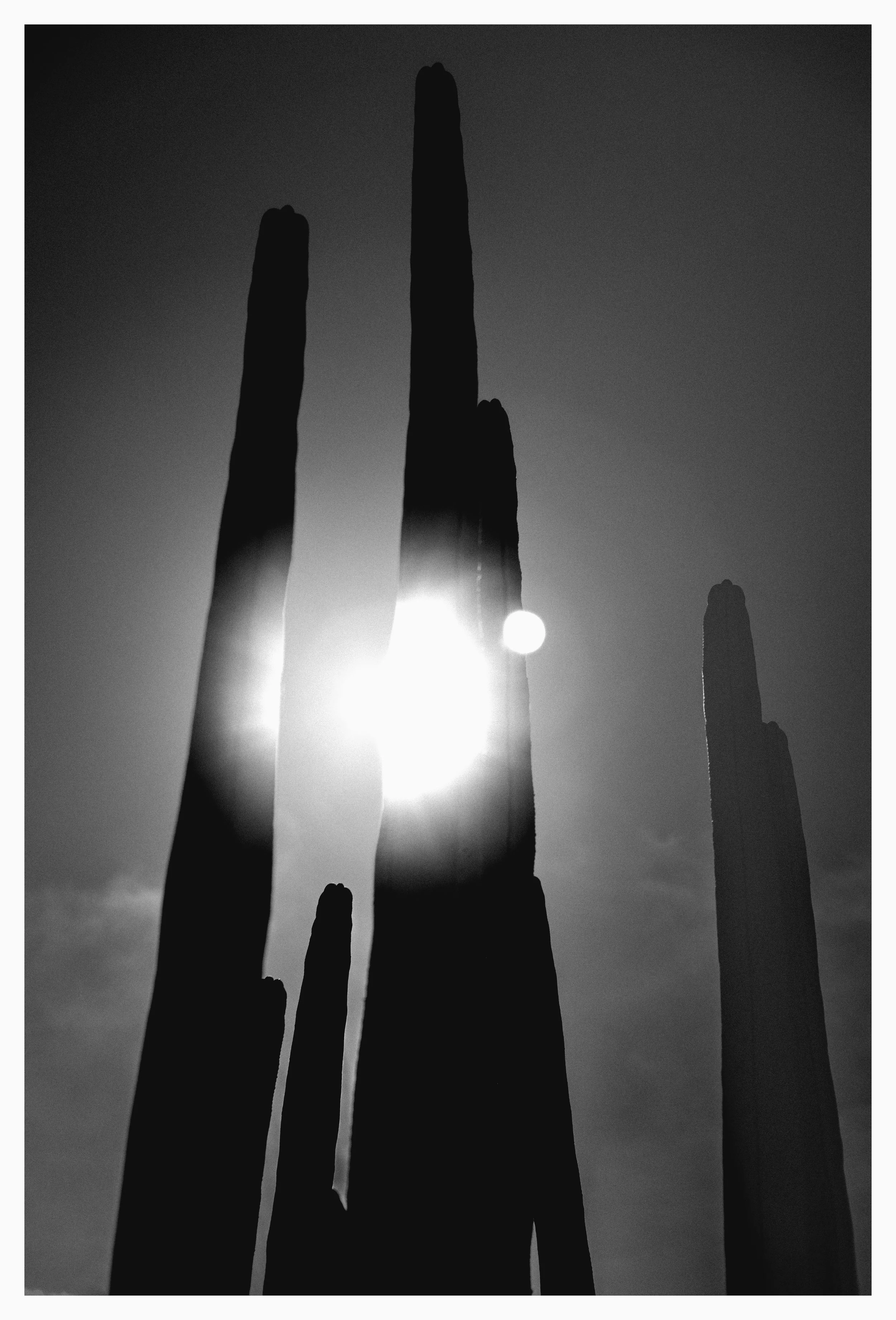
The Distance Between Mountains & Memory, No. 13 (Oaxaca de Juárez, Oaxaca), 2025. Archival Pigment Print, Edition of 15.
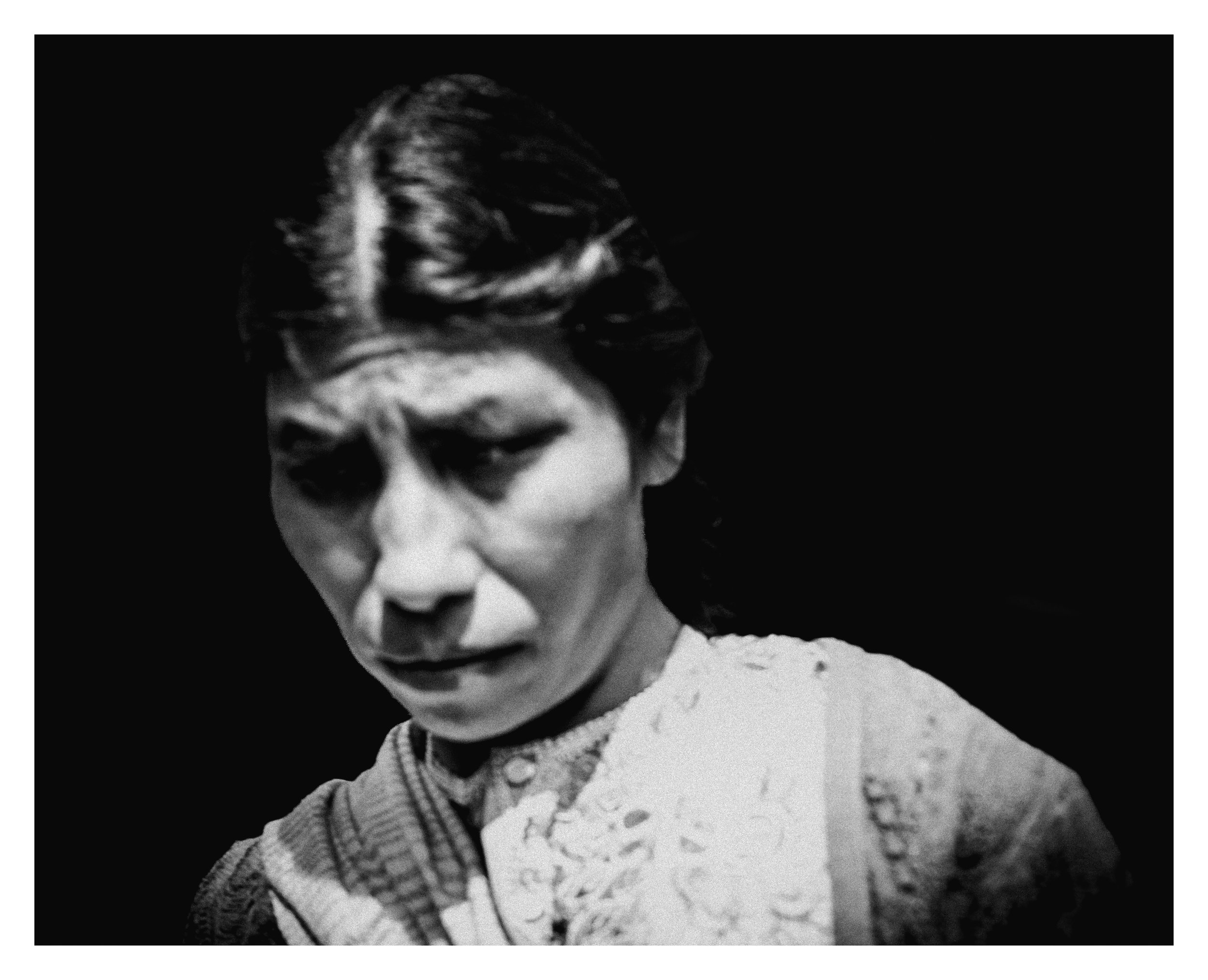
The Distance Between Mountains & Memory, No. 13 (San Juan Chamula, Chiapas), 2025. Archival Pigment Print, Edition of 15.
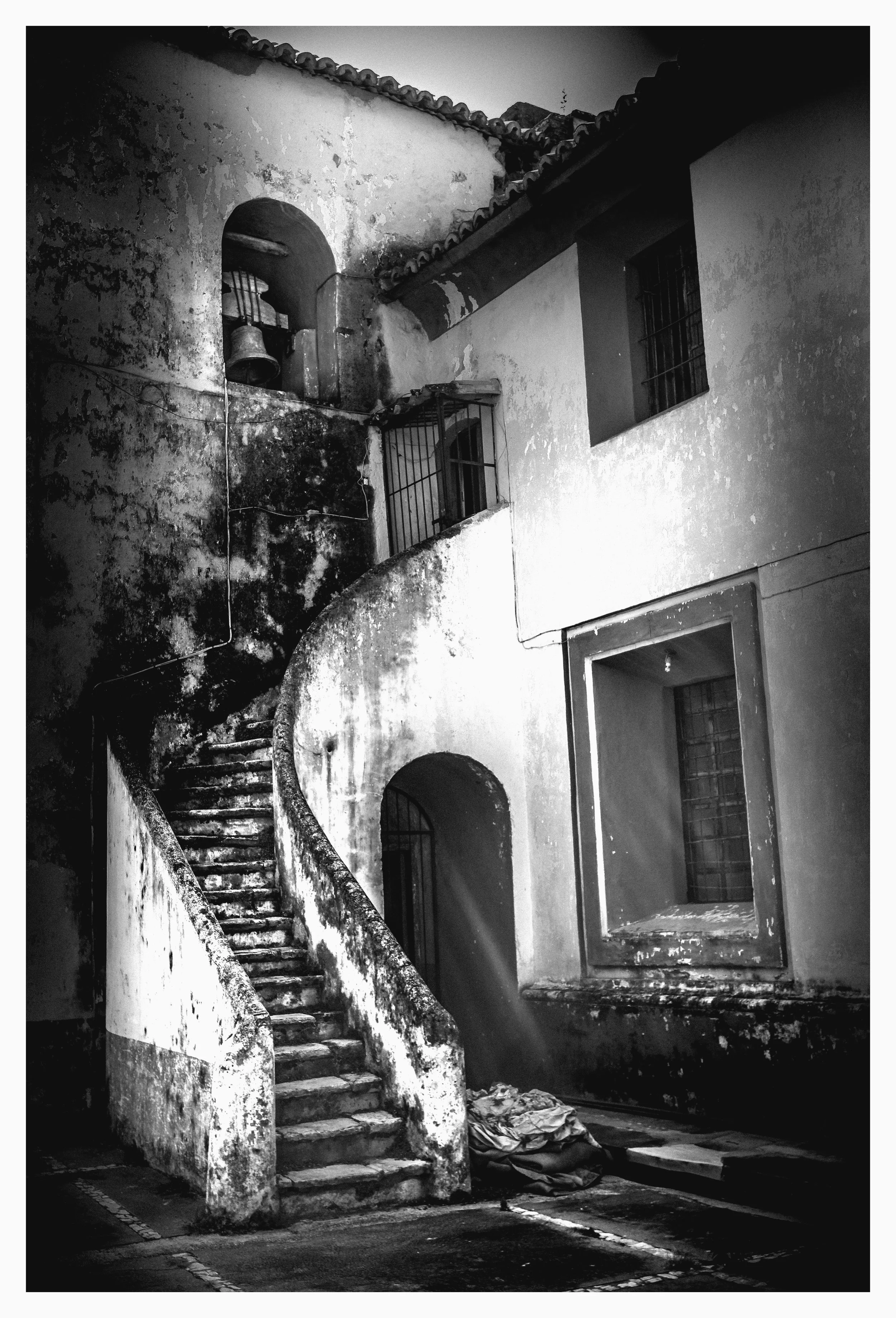
The Distance Between Mountains & Memory, No. 14 (San Cristobal, Chiapas), 2025. Archival Pigment Print, Edition of 15.
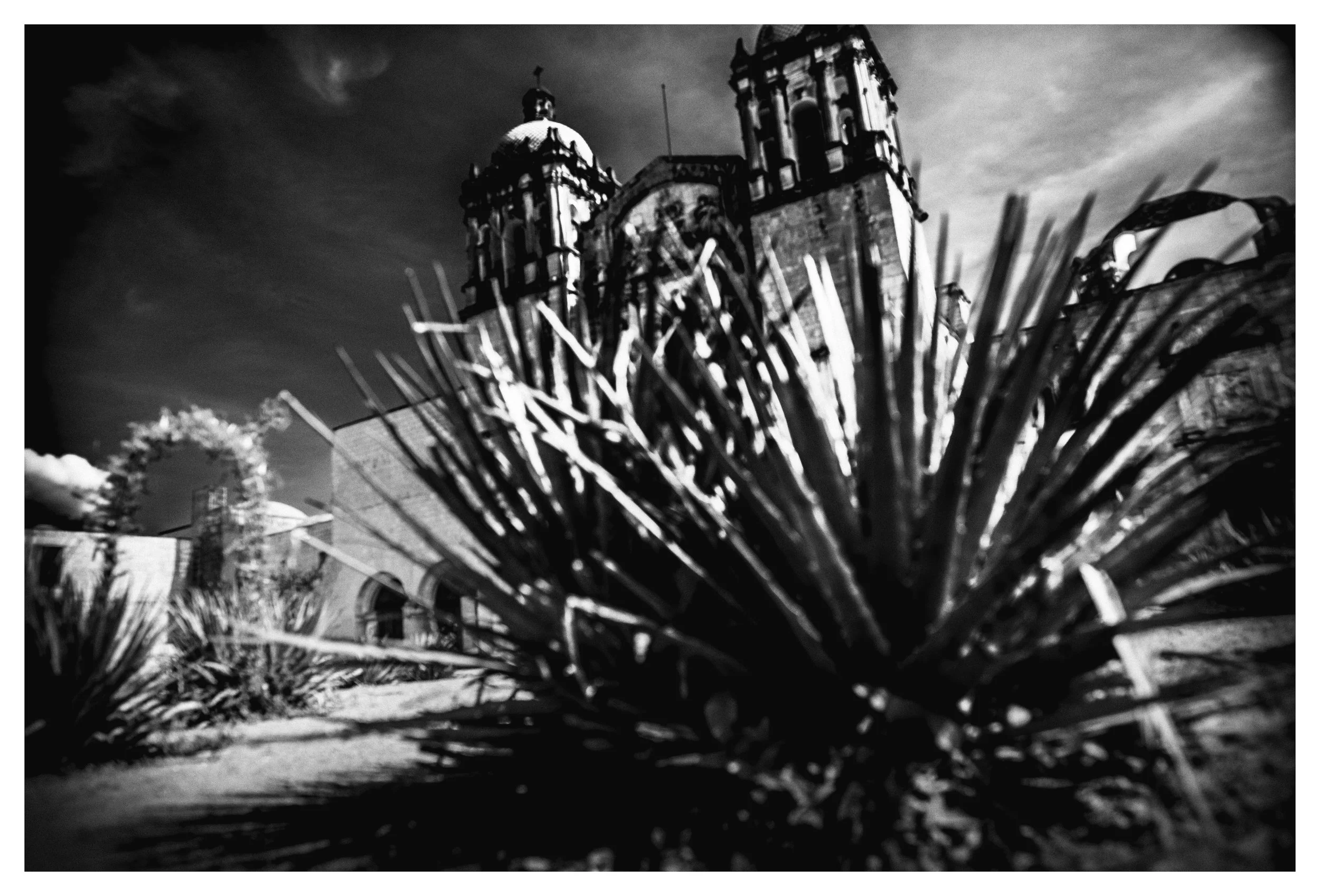
The Distance Between Mountains & Memory, No. 15 (Oaxaca de Juárez, Oaxaca), 2025. Archival Pigment Print, Edition of 15.
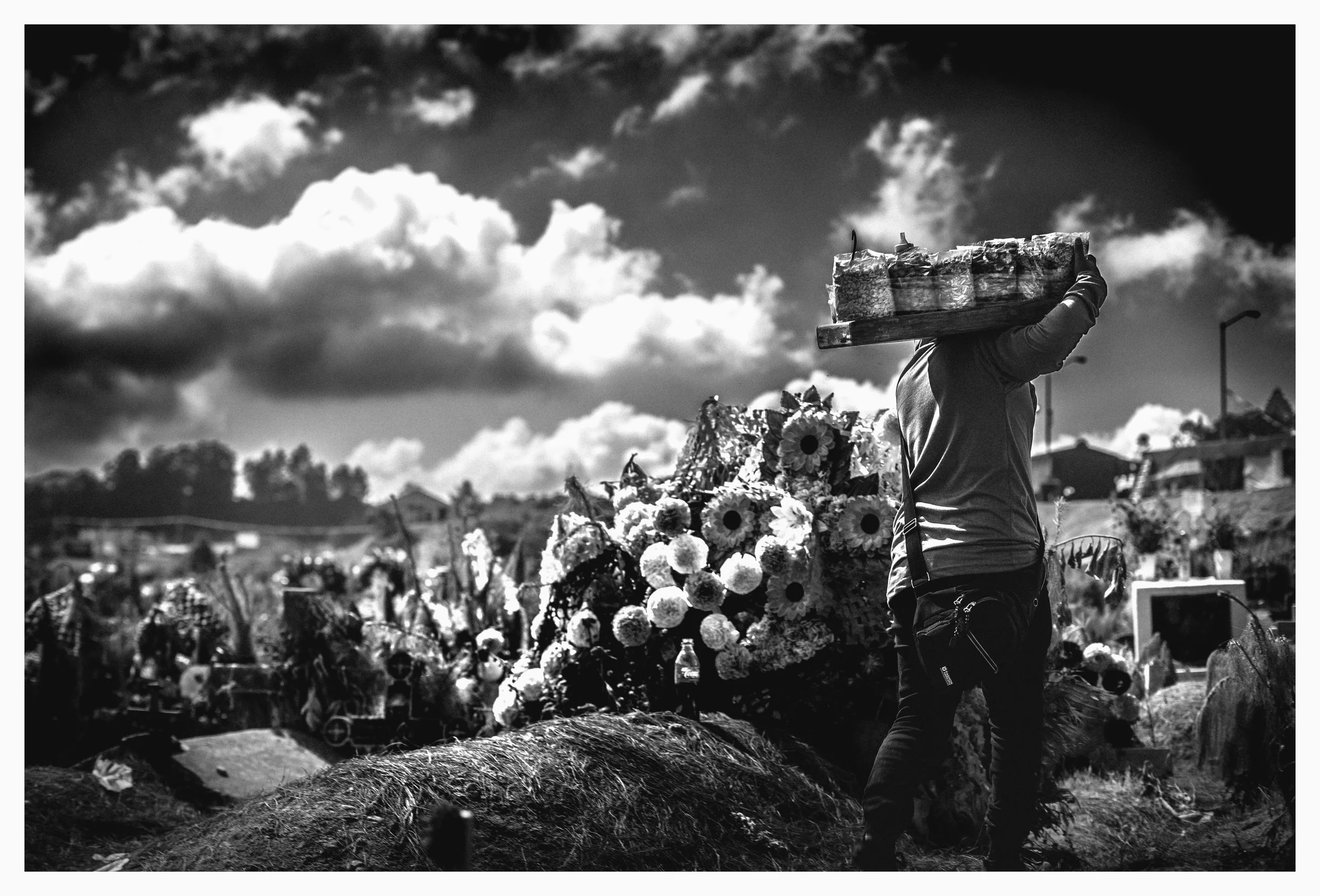
The Distance Between Mountains & Memory, No. 16 (San Juan Chamula, Chiapas), 2025. Archival Pigment Print, Edition of 15.
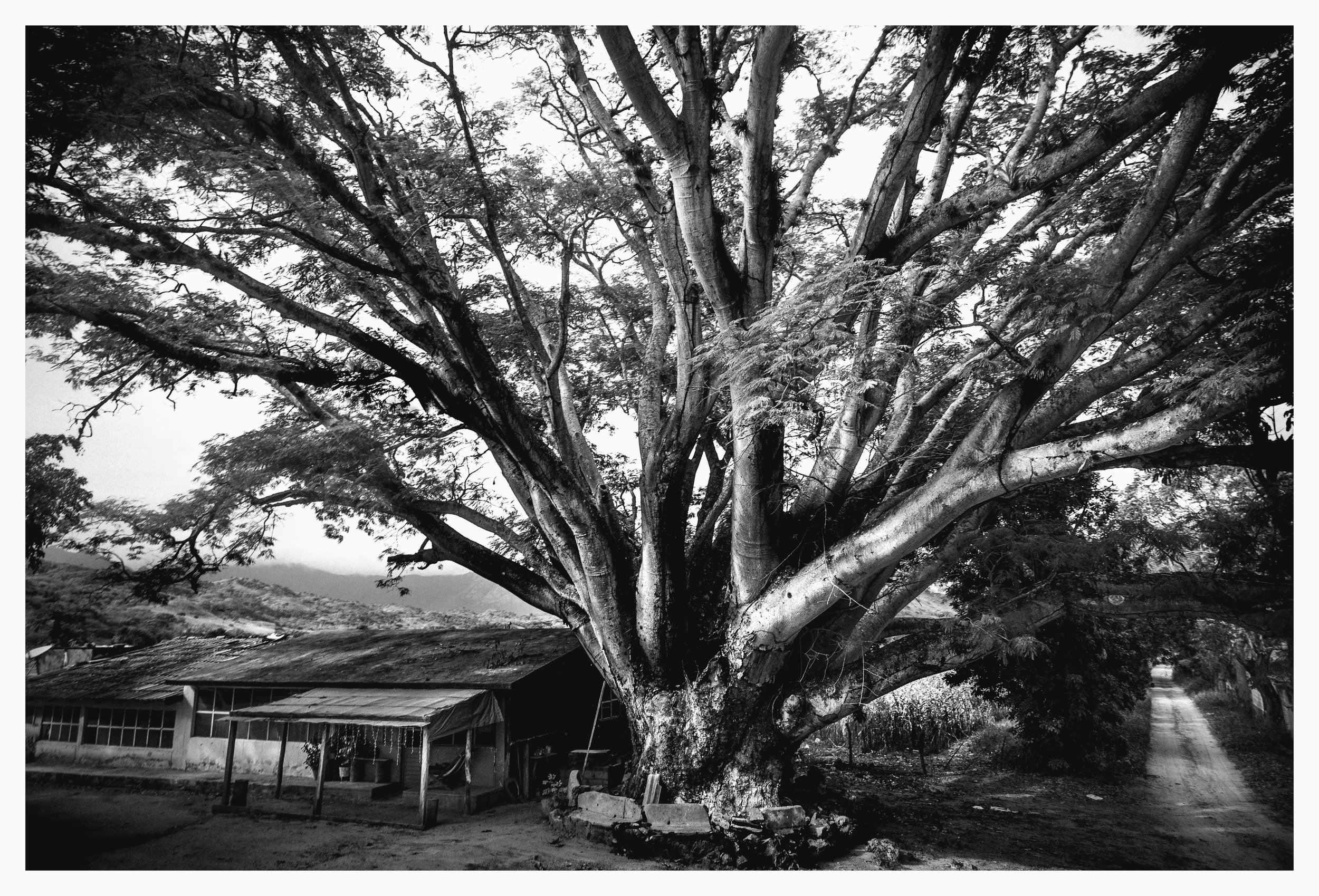
The Distance Between Mountains & Memory, No. 17 (Southern Oaxaca), 2025. Archival Pigment Print, Edition of 15.
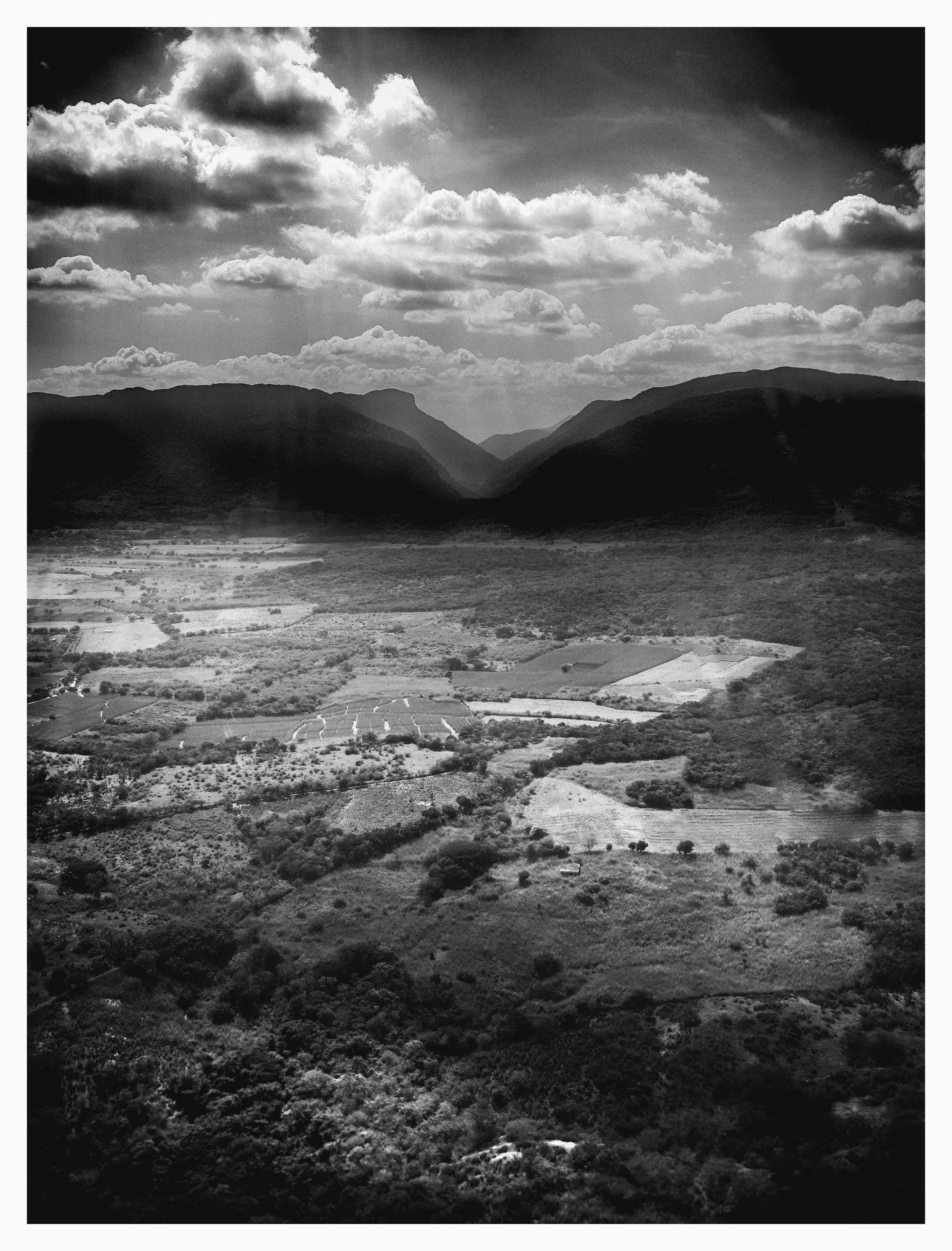
The Distance Between Mountains & Memory, No. 15 (Central Chiapas), 2025. Archival Pigment Print, Edition of 15.
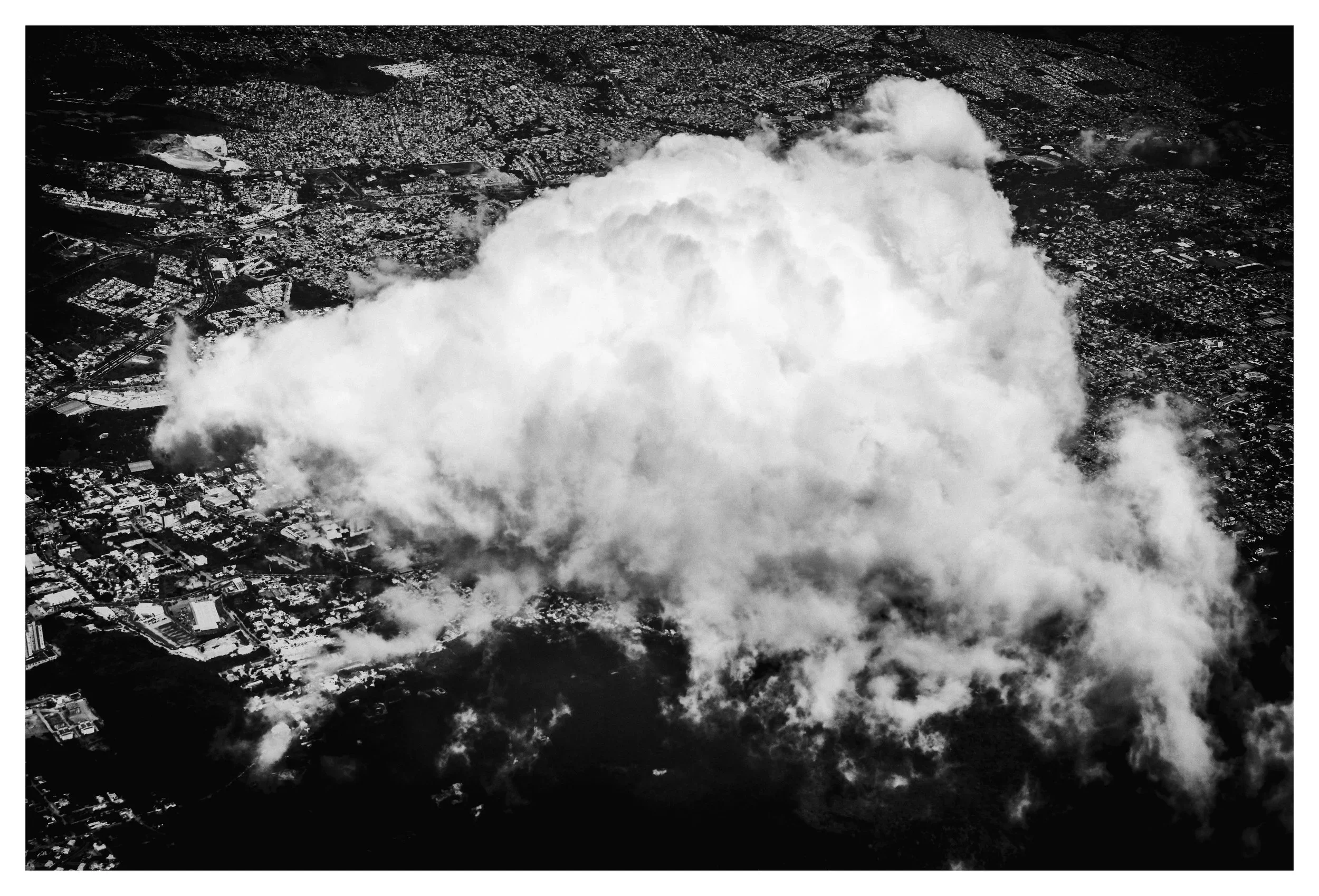
The Distance Between Mountains & Memory, No. 15 (Central Chiapas), 2025. Archival Pigment Print, Edition of 15.
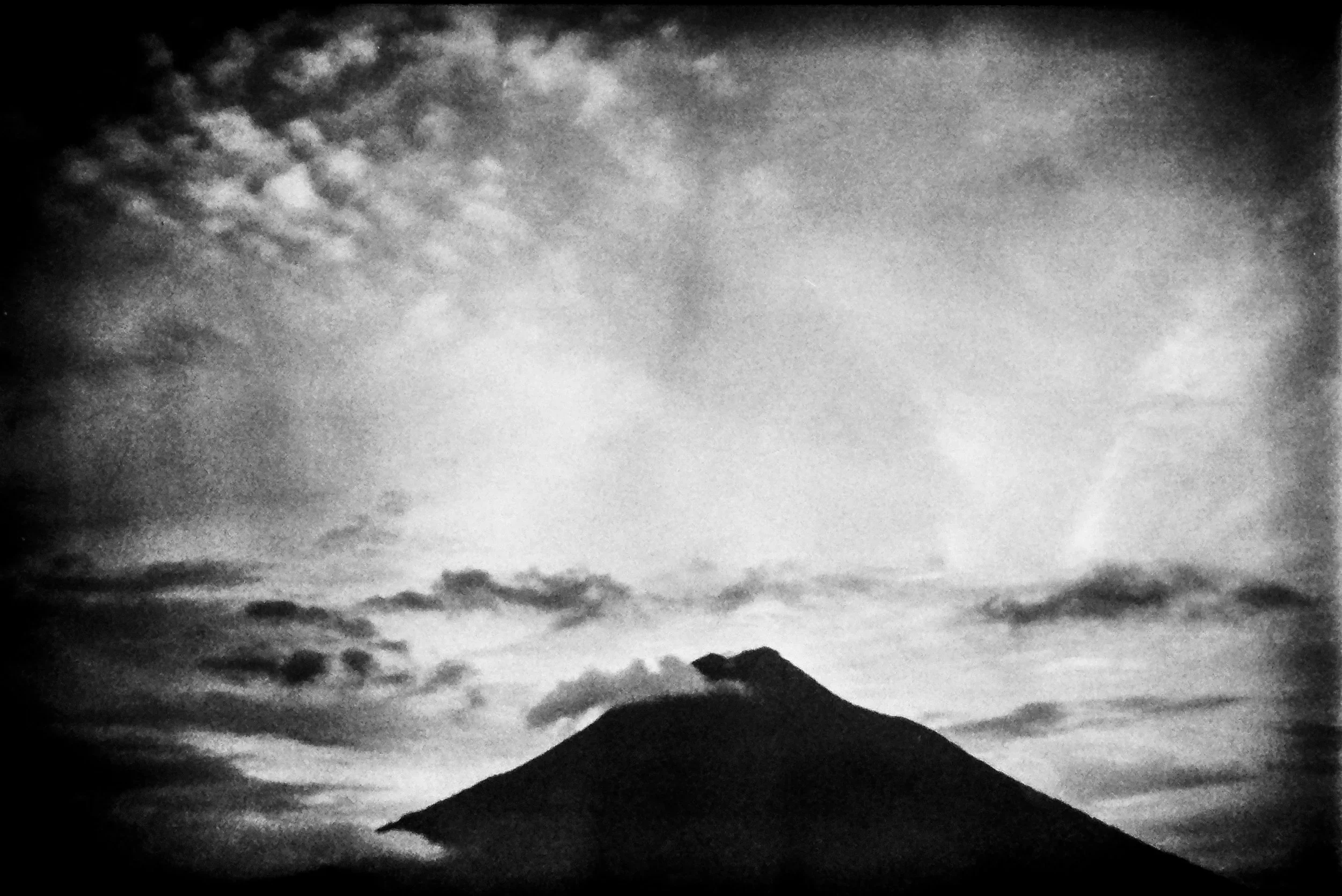
Give Me Silence, No. 01 (Volcán Agua, Antigua, Guatemala) 2025. Archival Pigment Print, Edition of 15.
Give me Silence
2019 — 2025
Give me silence, water, hope.
Give me the struggle, the iron, the volcanoes.
Let bodies cling like magnets to my body.
Come quickly to my veins and to my mouth.
Speak through my speech, and through my blood.
-Pablo Neruda
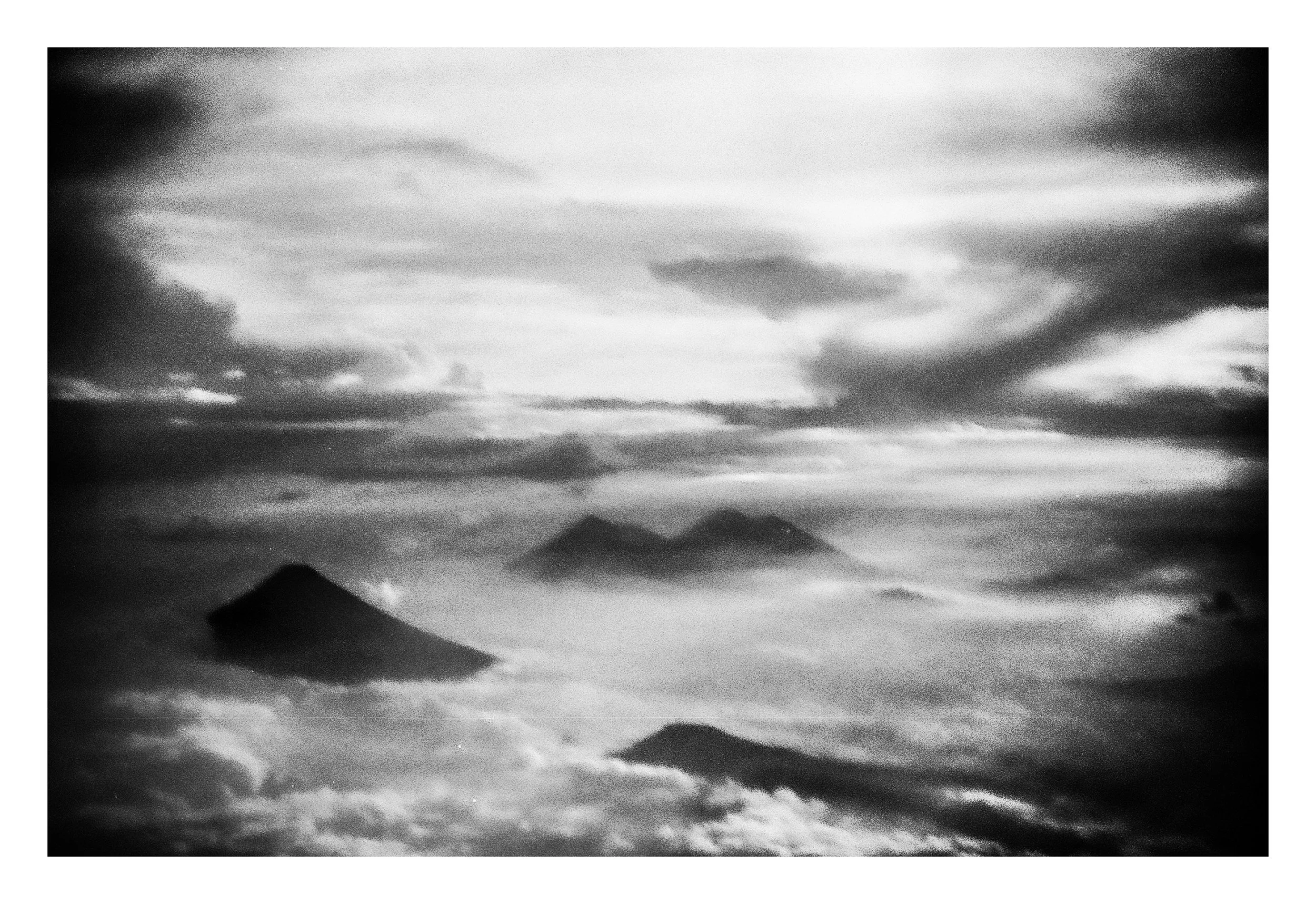
Give me Silence, No. 05 (Northern Guatemala) 2025. Archival Pigment Print, Edition of 15.
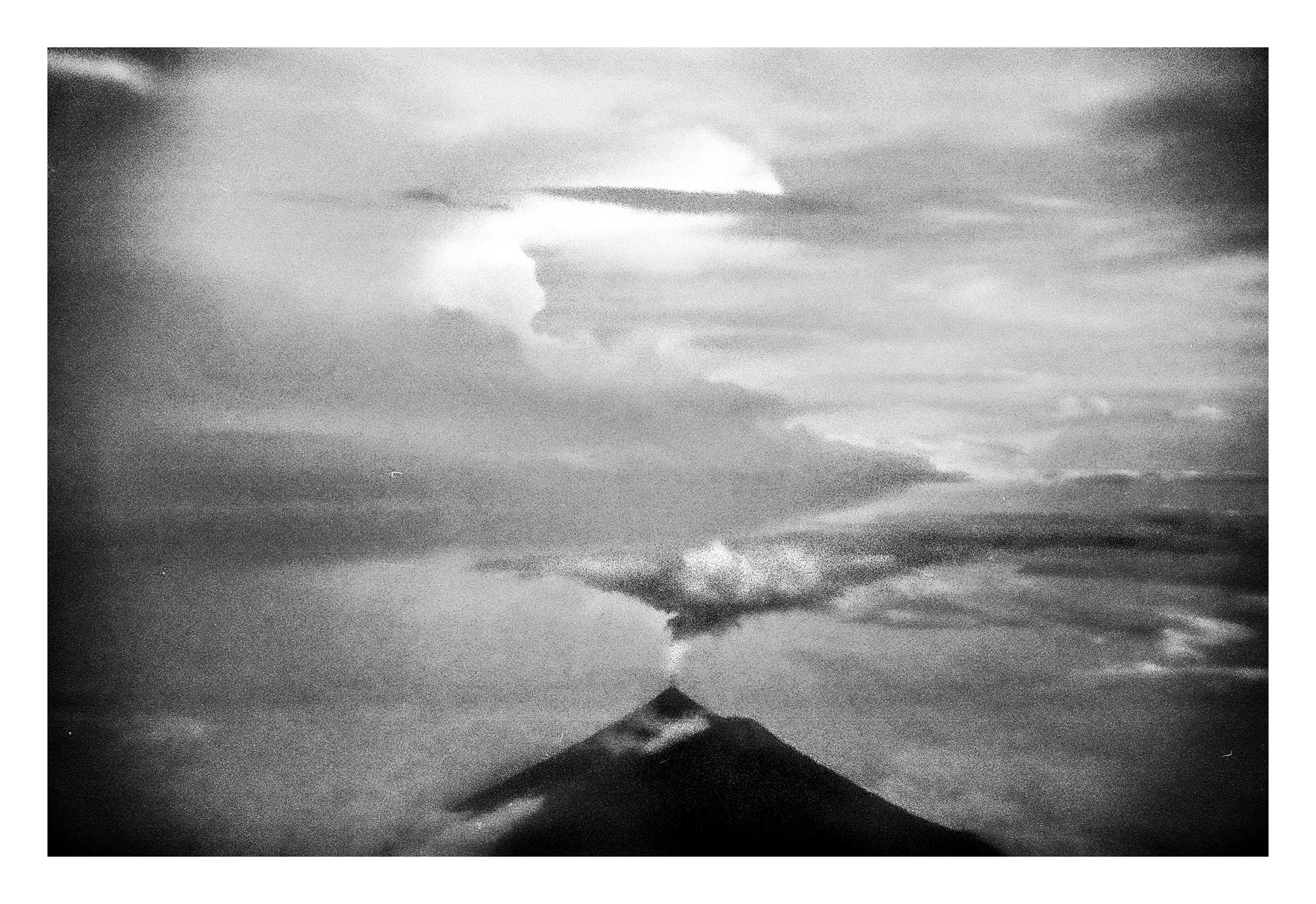
Give me Silence, No. 06 (Northern Guatemala) 2025. Archival Pigment Print, Edition of 15.
Volcanoes have profoundly shaped the lives of indigenous peoples, acting both as sources of catastrophic destruction and vital natural resources deeply rooted in cultural traditions and everyday survival. In regions like Central America, eruptions have repeatedly forced communities to flee, burying settlements and disrupting traditional food sources; however, over generations, the ash enriches the soil, creating incredibly fertile land vital for agriculture, which in turn fosters resilient communities. Consequently, volcanoes carry immense spiritual importance, often revered as powerful, living deities or ancestral spirits whose moods influence the cycles of life and death, blending unpredictable geological forces into origin myths, religious rituals, and a respectful, complex worldview that balances fear with deep reverence for the landscape they inhabit. The communal mental map of a volcanic-laden land is not merely geographic but a spiritual “cognition” passed down through generations.
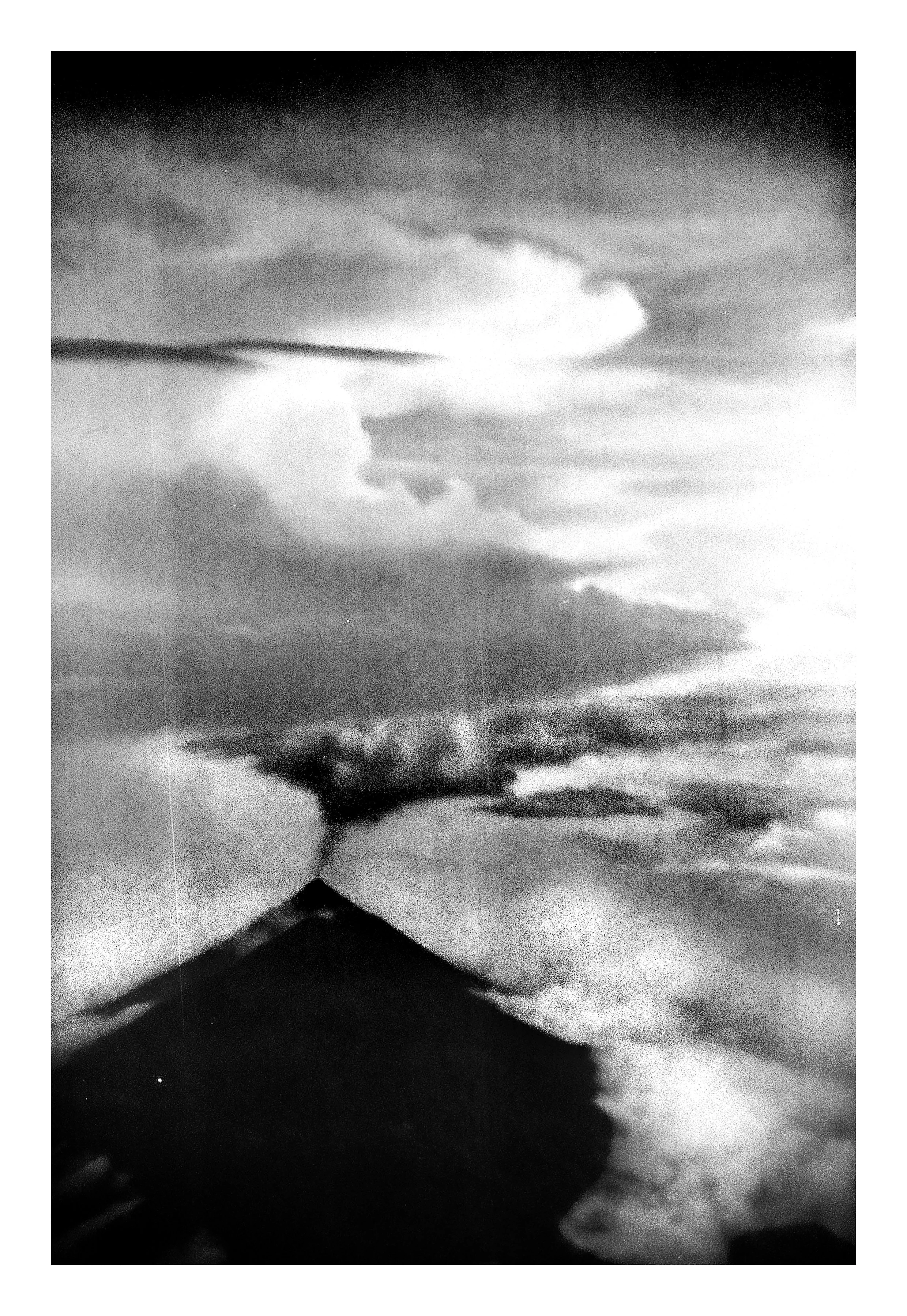
Give me Silence, No. 06 (Northern Guatemala) 2025. Archival Pigment Print, Edition of 15.
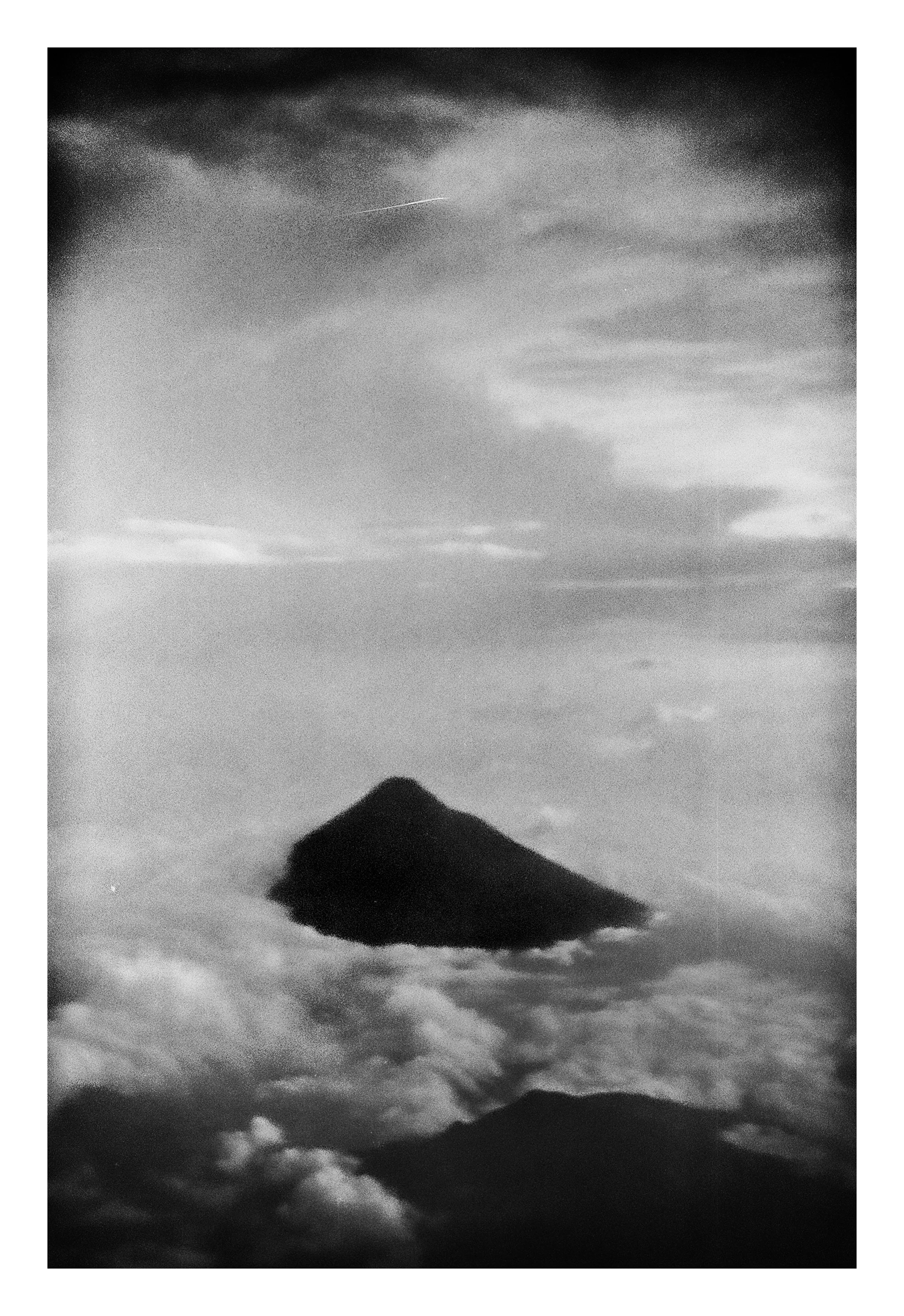
Give me Silence, No. 07 (Northern Guatemala) 2025. Archival Pigment Print, Edition of 15.
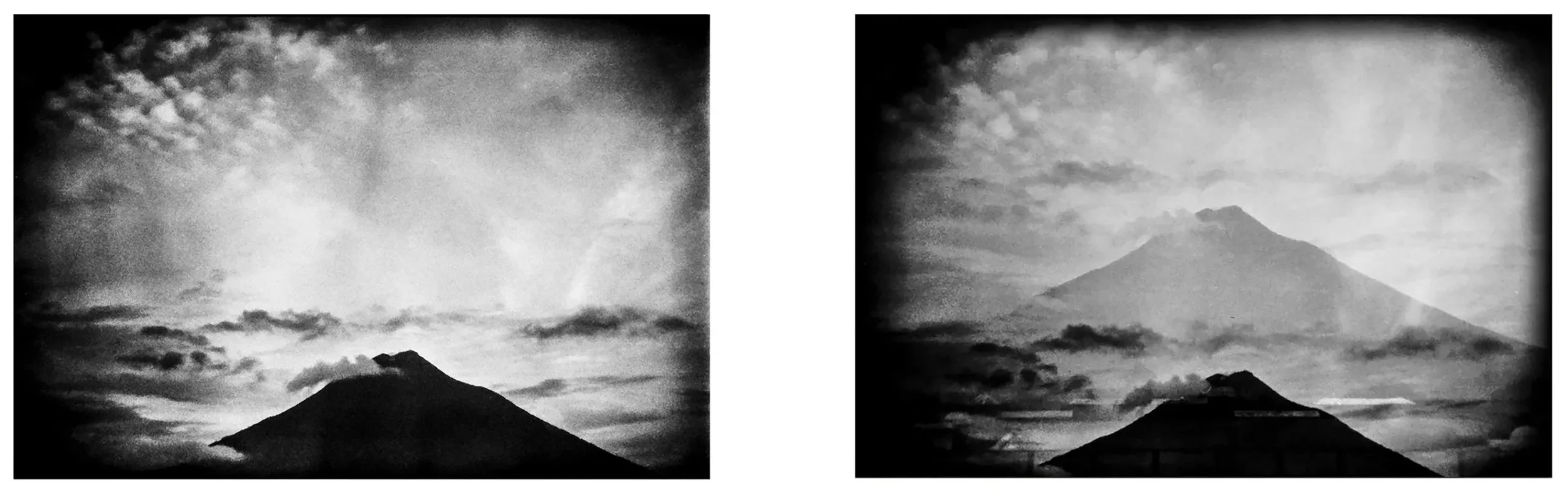
Give Me Silence, No. 01 / 02 (Volcán Agua, Antigua, Guatemala) 2025. Archival Pigment Print, Edition of 15.
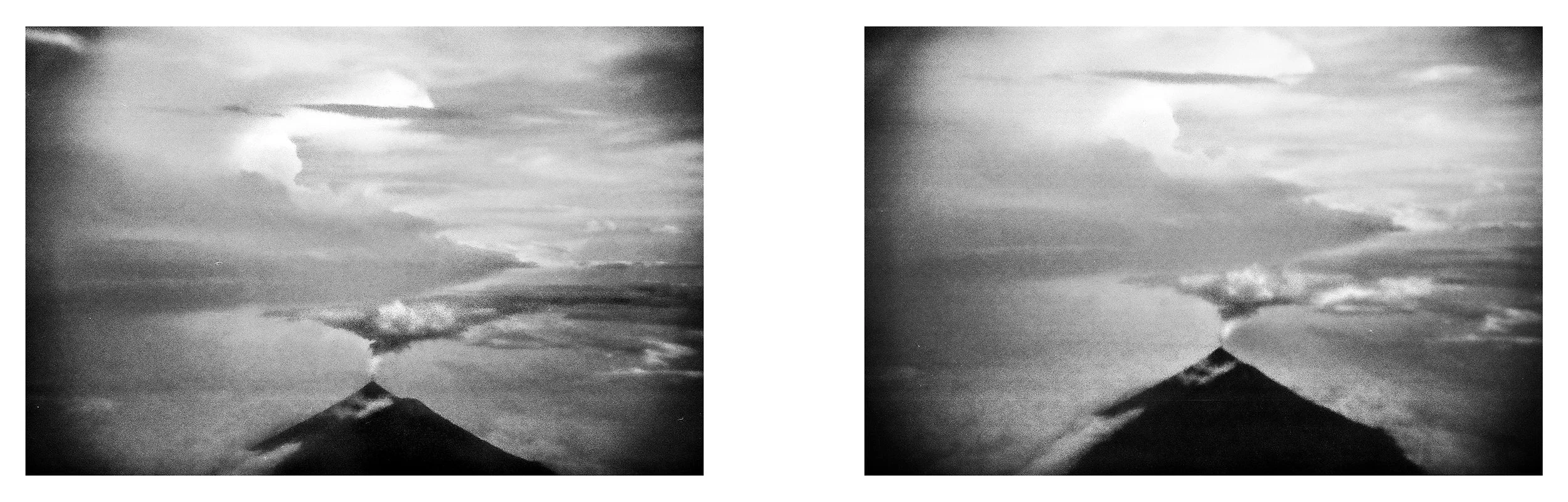
Give Me Silence, No. 08 / 09 (Northern Guatemala) 2025. Archival Pigment Print, Edition of 15.
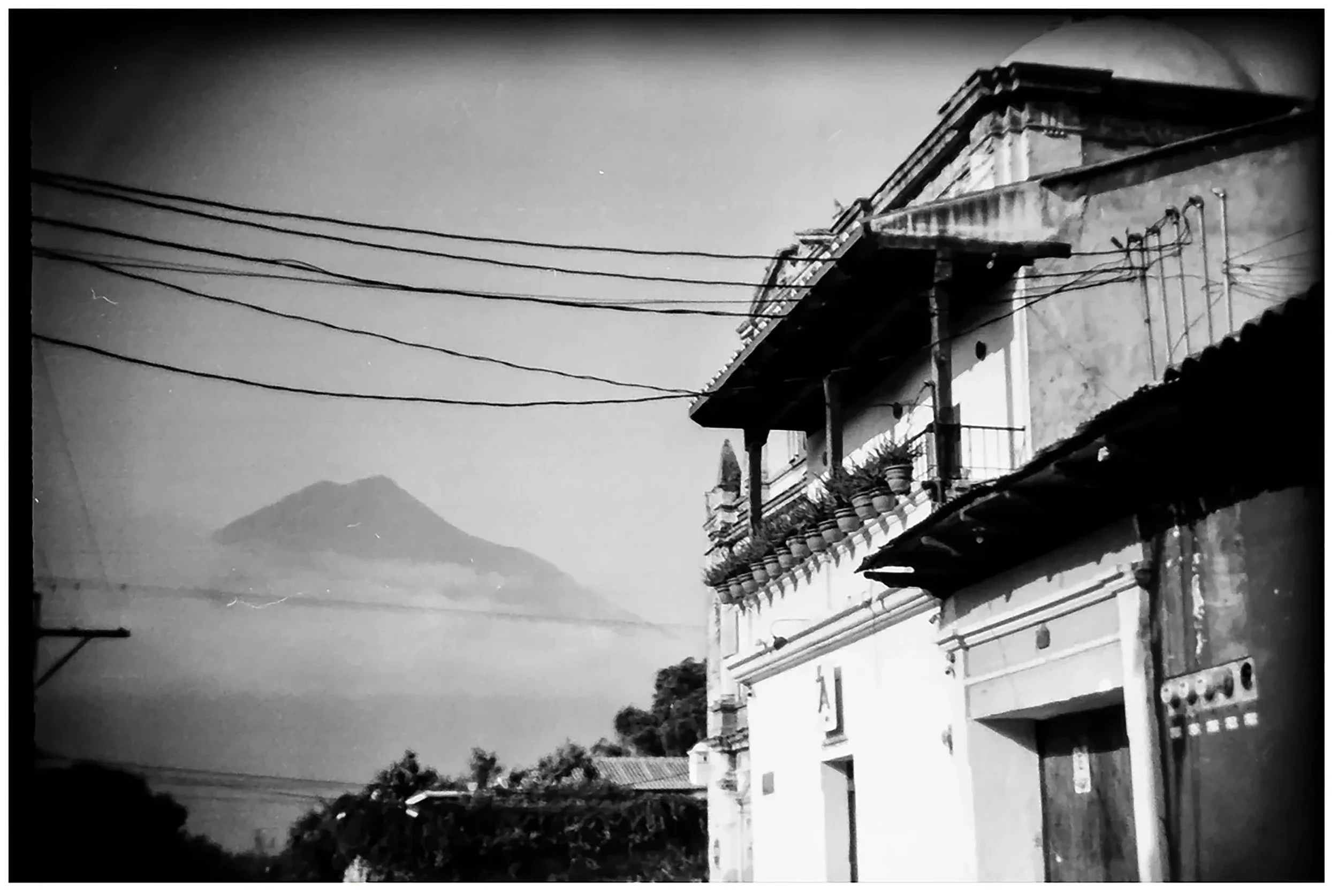
Give Me Silence, No. 03 (Volcán Agua, Antigua, Guatemala) 2019. Archival Pigment Print, Edition of 15.
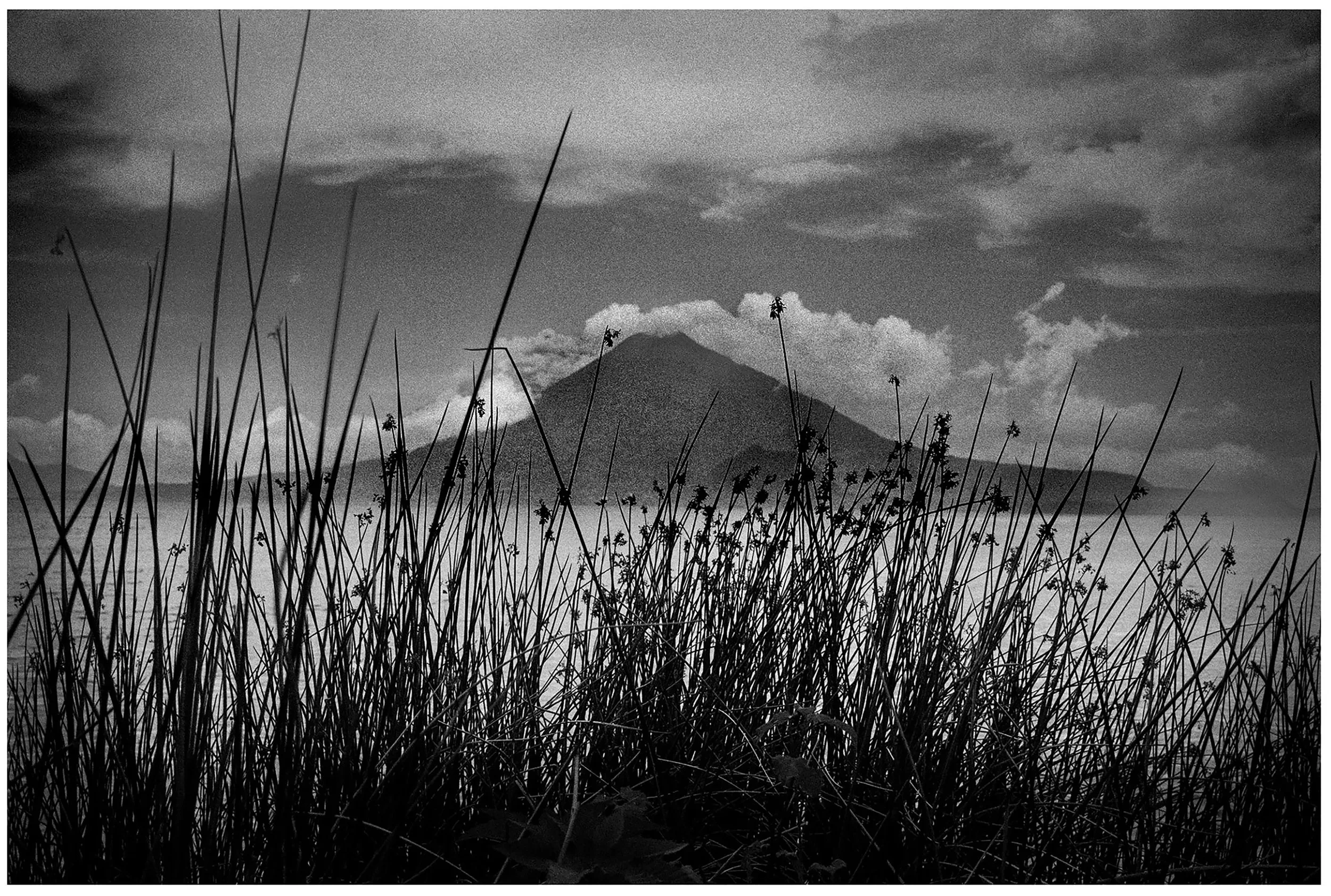
Give Me Silence, No. 04 (Volcán Atitlán, Panajachel, Guatemala) 2019. Archival Pigment Print, Edition of 15.
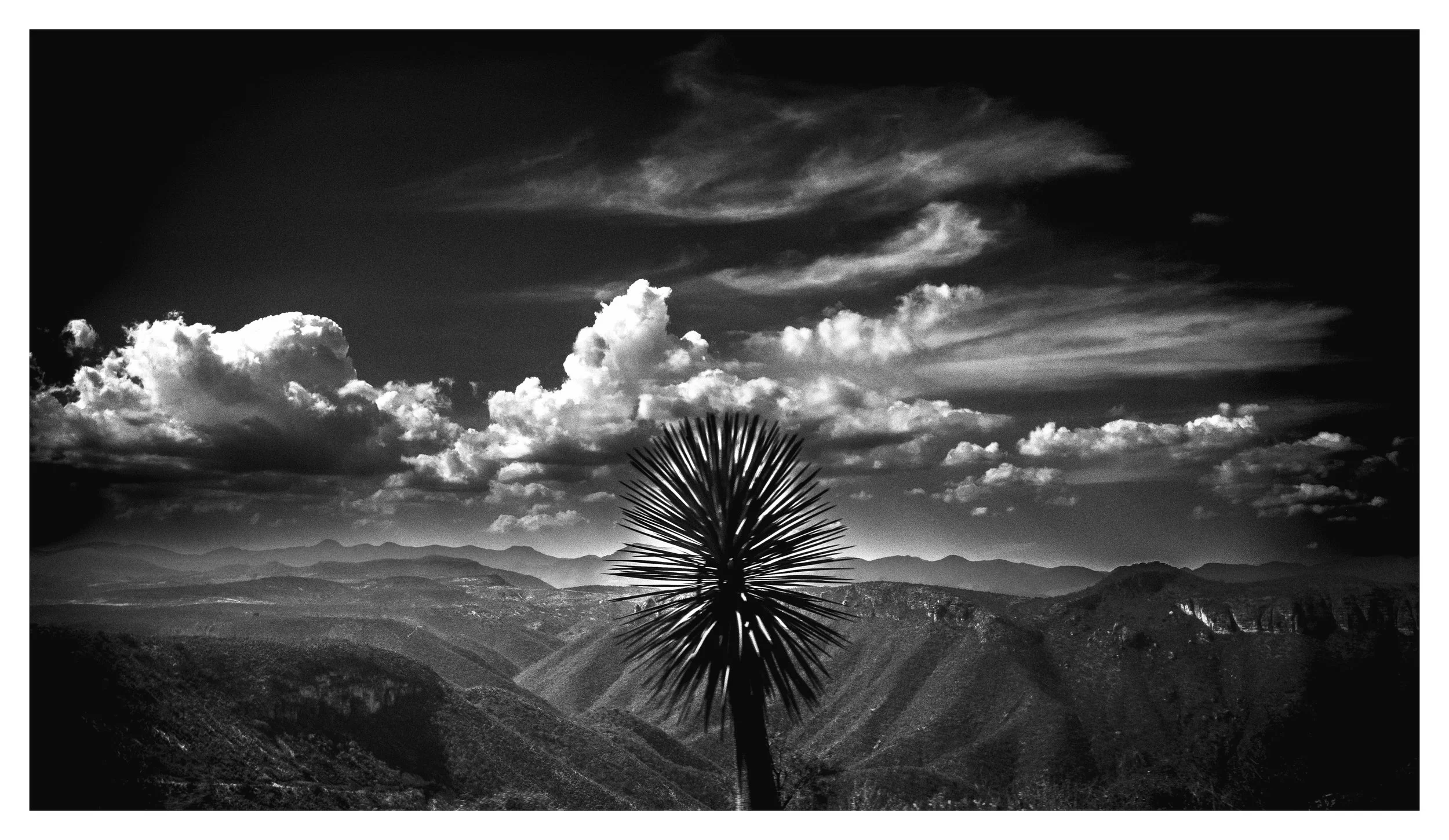
The Architecture of the In-Between, No. 01 (Oaxaca, Mexico) 2025. Archival Pigment Print, Edition of 15.
The Architecture of the In-Between
2025
The in-between is a vast territory where the familiar dissolves into the horizon, in a shimmer of uncertainty. A space where overwhelming silence forces a confrontation with a self stripped of the roles and labels that typically define life. The mind finds itself in a fragile yet strangely powerful state of liminality, where the void is not a lack of meaning but a wide-open space where anything could happen.
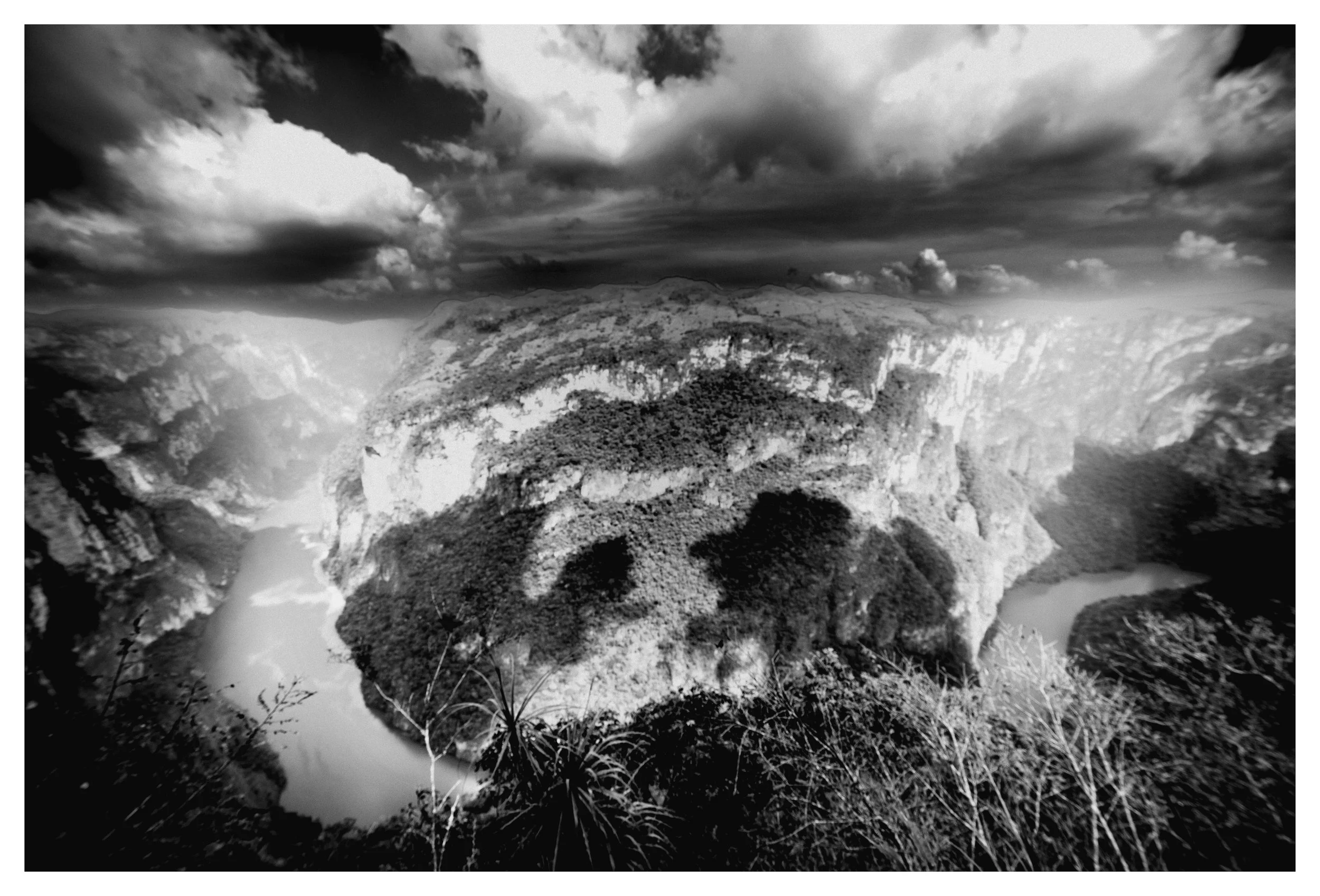
The Architecture of the In-Between, No. 02 (Chiapas, Mexico) 2025. Archival Pigment Print, Edition of 15.
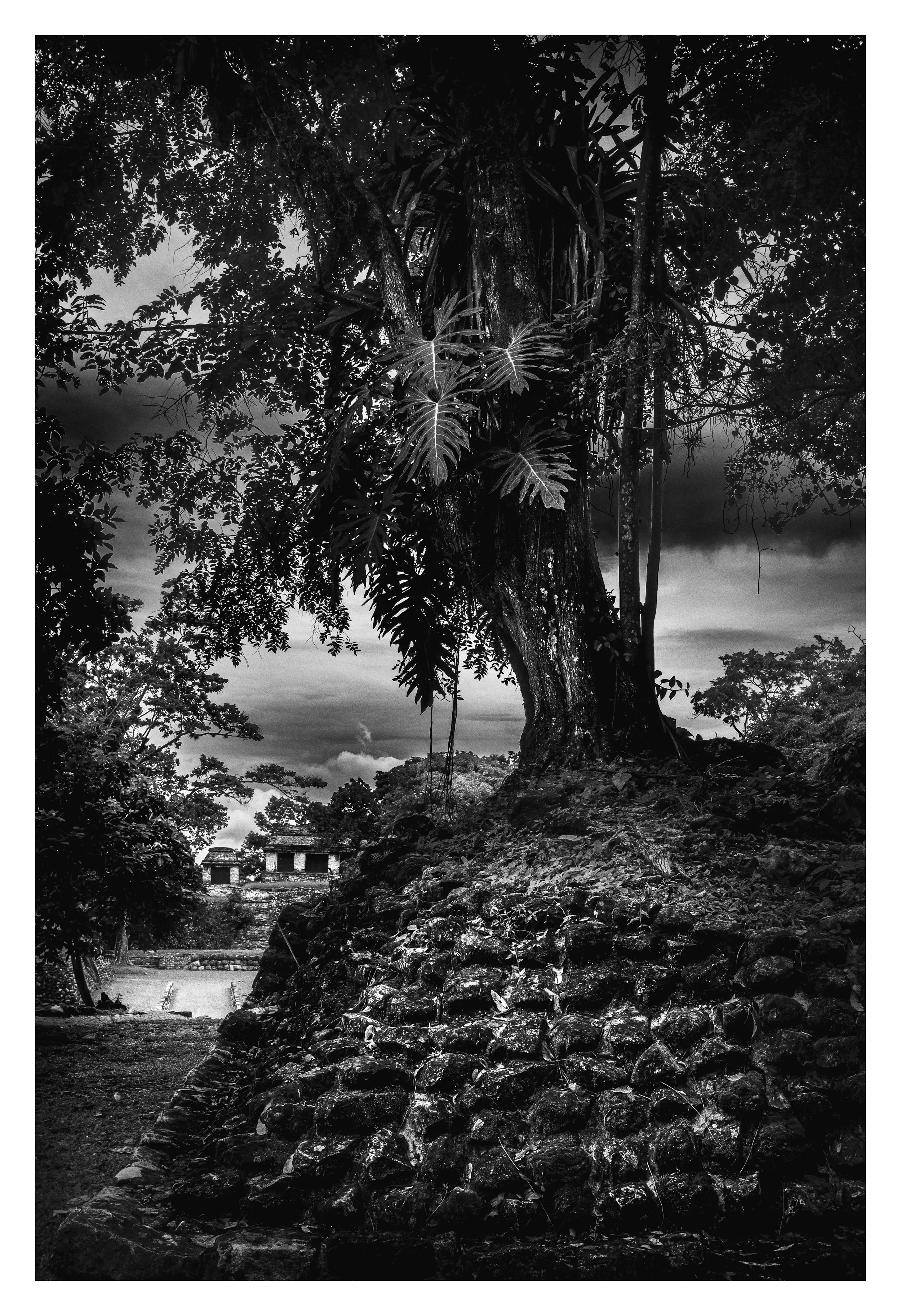
The Architecture of the In-Between, No. 03 (Chiapas, Mexico) 2025. Archival Pigment Print, Edition of 15.
We often think of “nature” as a destination—but between our dense clusters of culture, that vast, raw distance does more than just separate us; it shapes the way we think, feel, and coexist. Society thrives on proximity. We create “culture clusters”—cities and towns where ideas and traditions ferment in close proximity. However, these clusters are shaped by the surrounding vastness. The raw terrain between our outposts acts as a psychological filter. When a community is separated by a mountain range, a desert, or a large river, its culture becomes unique, hardened, and shaped by the barrier it faces. The “empty space” isn't truly empty; it’s a pressurized zone that forces human expression to adapt to the land’s scale. The shapes of the earth—its natural geometry—interact with the human psyche in profound ways: an endless horizon pulls the mind outward, creating a sense of possibility while also evoking a haunting awareness of one's own smallness. On the horizon, the ego has nowhere to hide.
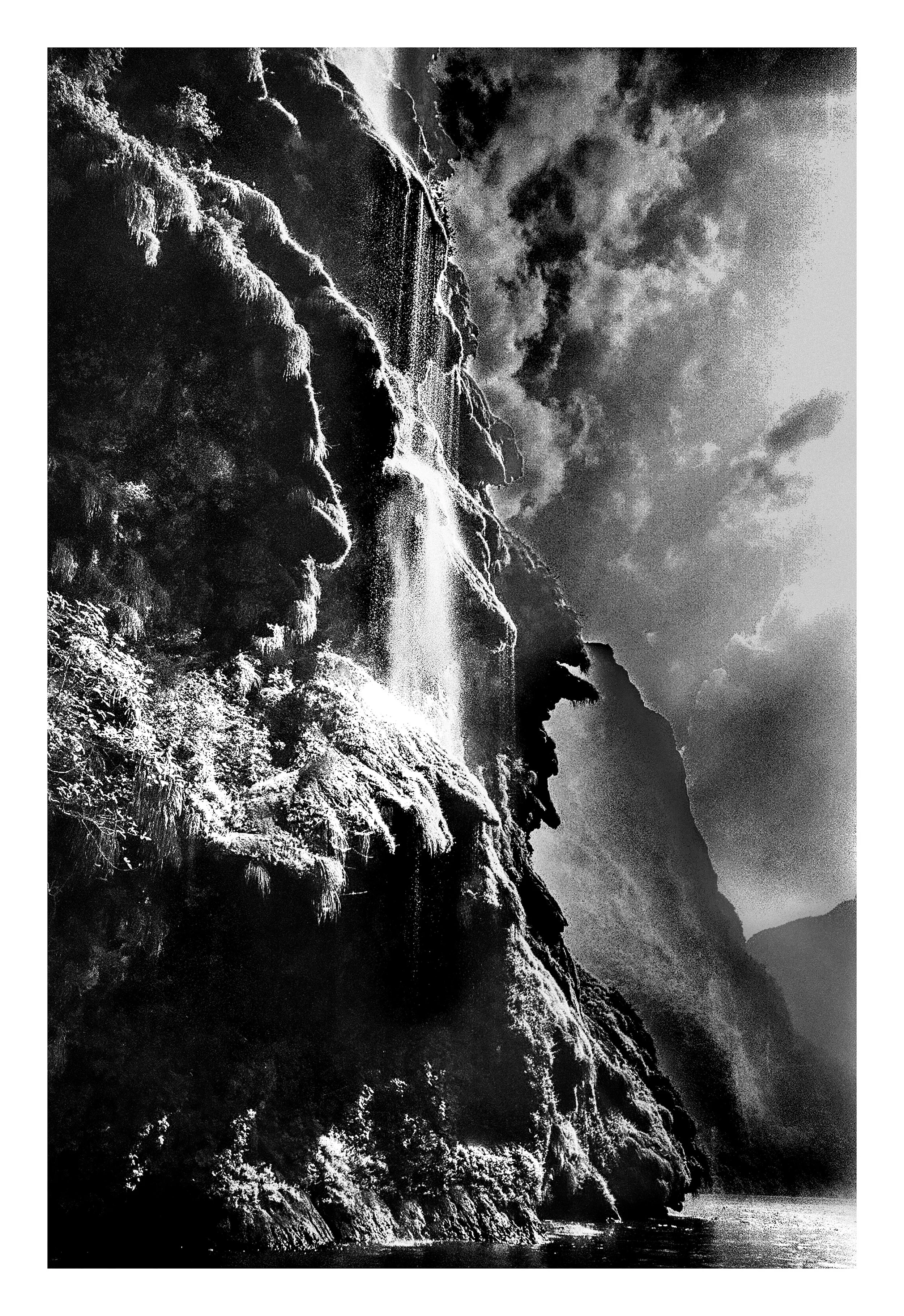
The Architecture of the In-Between, No. 04 (Chiapas, Mexico) 2025. Archival Pigment Print, Edition of 15.
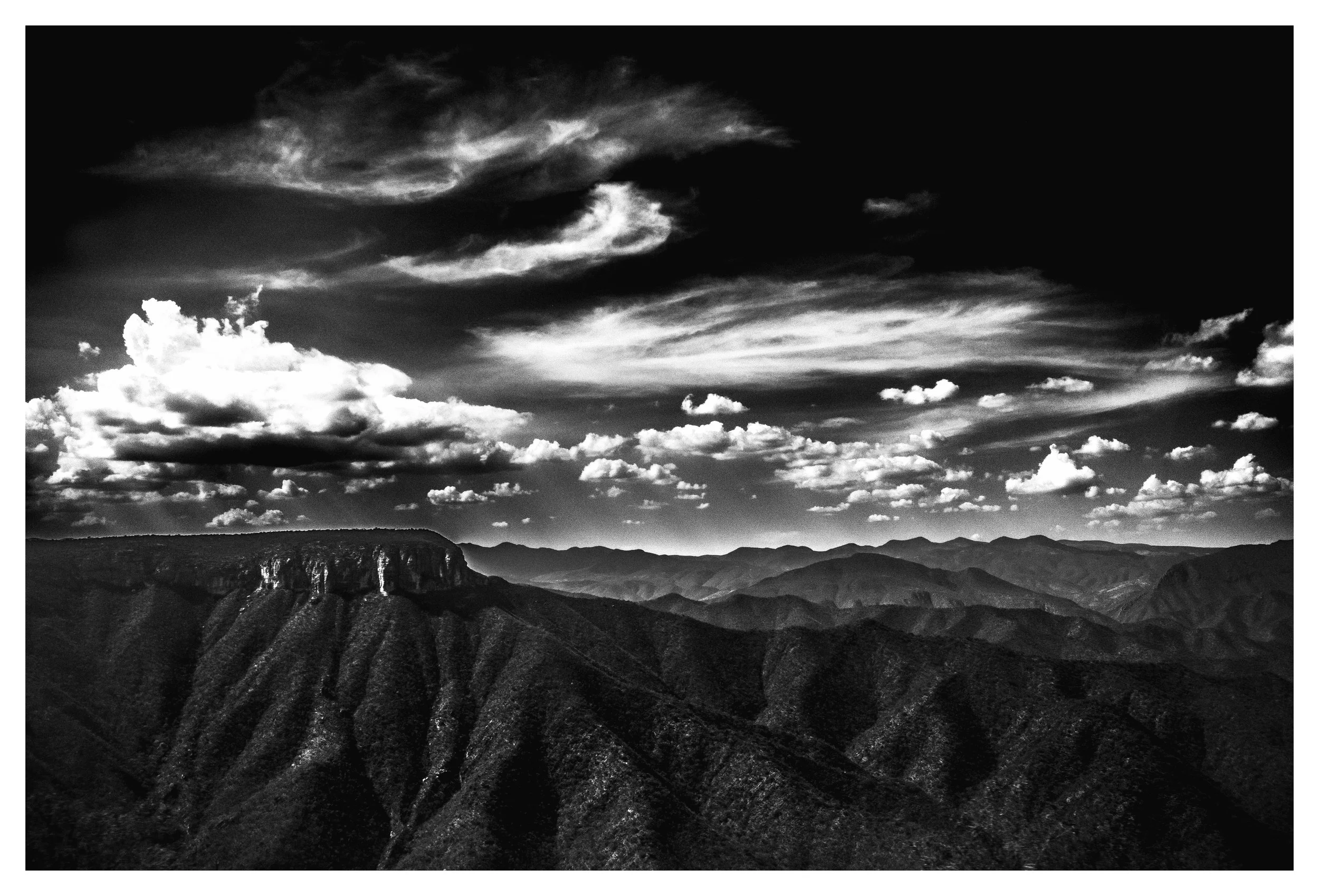
The Architecture of the In-Between, No. 05 (Oaxaca, Mexico) 2025. Archival Pigment Print, Edition of 15.
Conversely, the verticality of canyon walls fosters a “closed” psychology. They turn the spirit inward, offering a sense of protection or, otherwise, a heavy weight of ancient, stoic permanence. The sky, as a measure of scale in the vastness, ceases to be merely a ceiling and becomes a central character. Its shifting colors and immense scale remind us that our cultural “clusters” are just temporary interruptions in a much larger, celestial order. Elements: The language of rock, water, and wood, which our spirits respond to instinctively—raw fundamentals that define these spaces. Rock represents the “slow time” of the universe. Sitting among ancient boulders allows us to feel the stillness of a timeline that disregards human urgency. Water, whether a rushing river or a quiet lake, introduces the idea of flow and change. It acts as the connective tissue weaving through empty spaces, reminding us that nothing is truly static. Living trees serve as a bridge between the earth and the sky, the only living witnesses to the interaction between soil and wind, reflecting our own growth as biological mirrors.
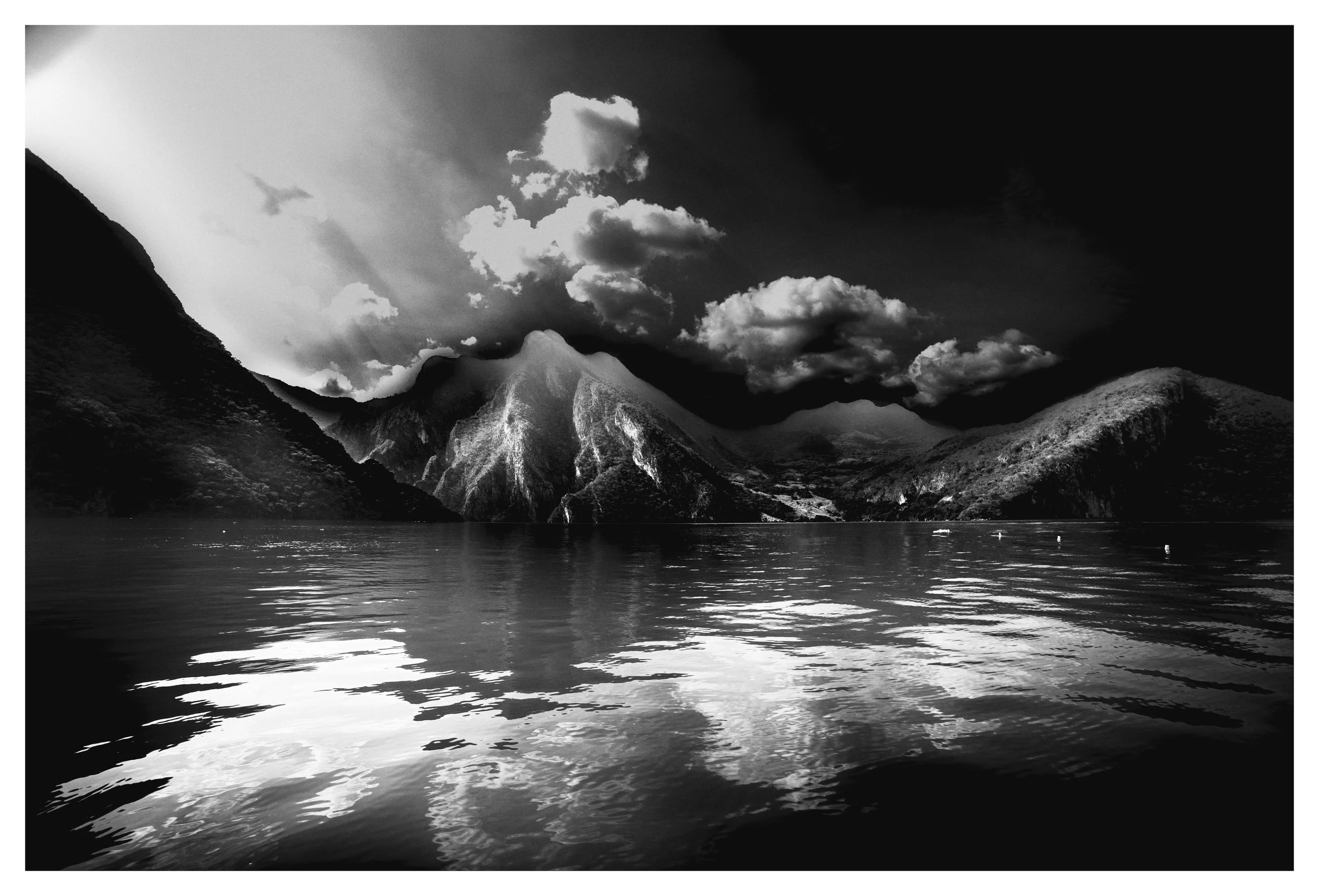
The Architecture of the In-Between, No. 06 (Chiapas, Mexico) 2025. Archival Pigment Print, Edition of 15.
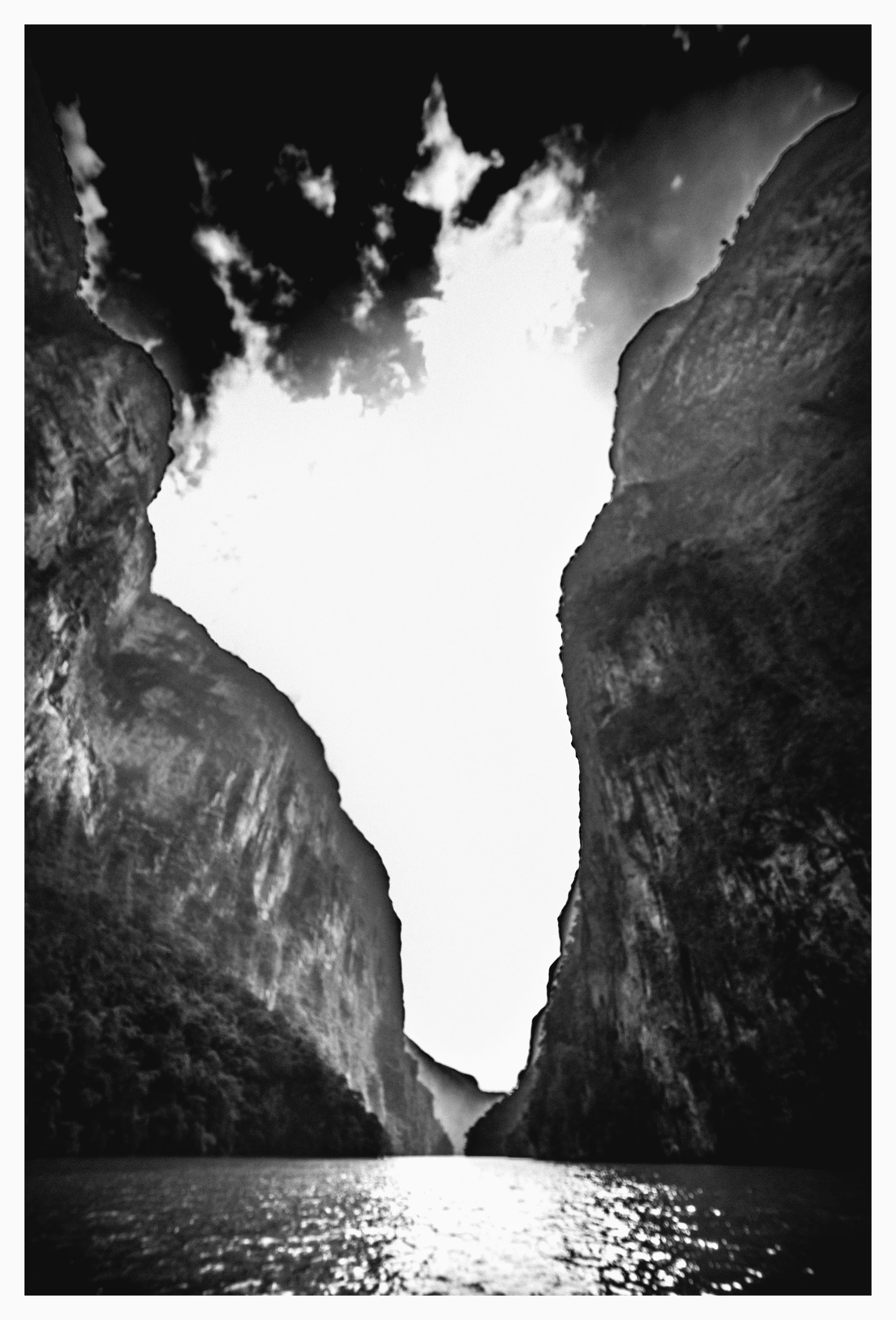
The Architecture of the In-Between, No. 07 (Chiapas, Mexico) 2025. Archival Pigment Print, Edition of 15.
We find the Spirit in the Gap. We are not just inhabitants of our cities; we are products of the spaces between. GOD = The geometry of distance. The jagged lines of peaks, the curves of rivers, and the flat indifference of the desert serve as a slight hand shaping the psychology of our souls. By recognizing the power of these empty spaces, we begin to understand that our “culture” is not just what we build, but how we respond to the magnificent, raw vastness that refuses to be contained.
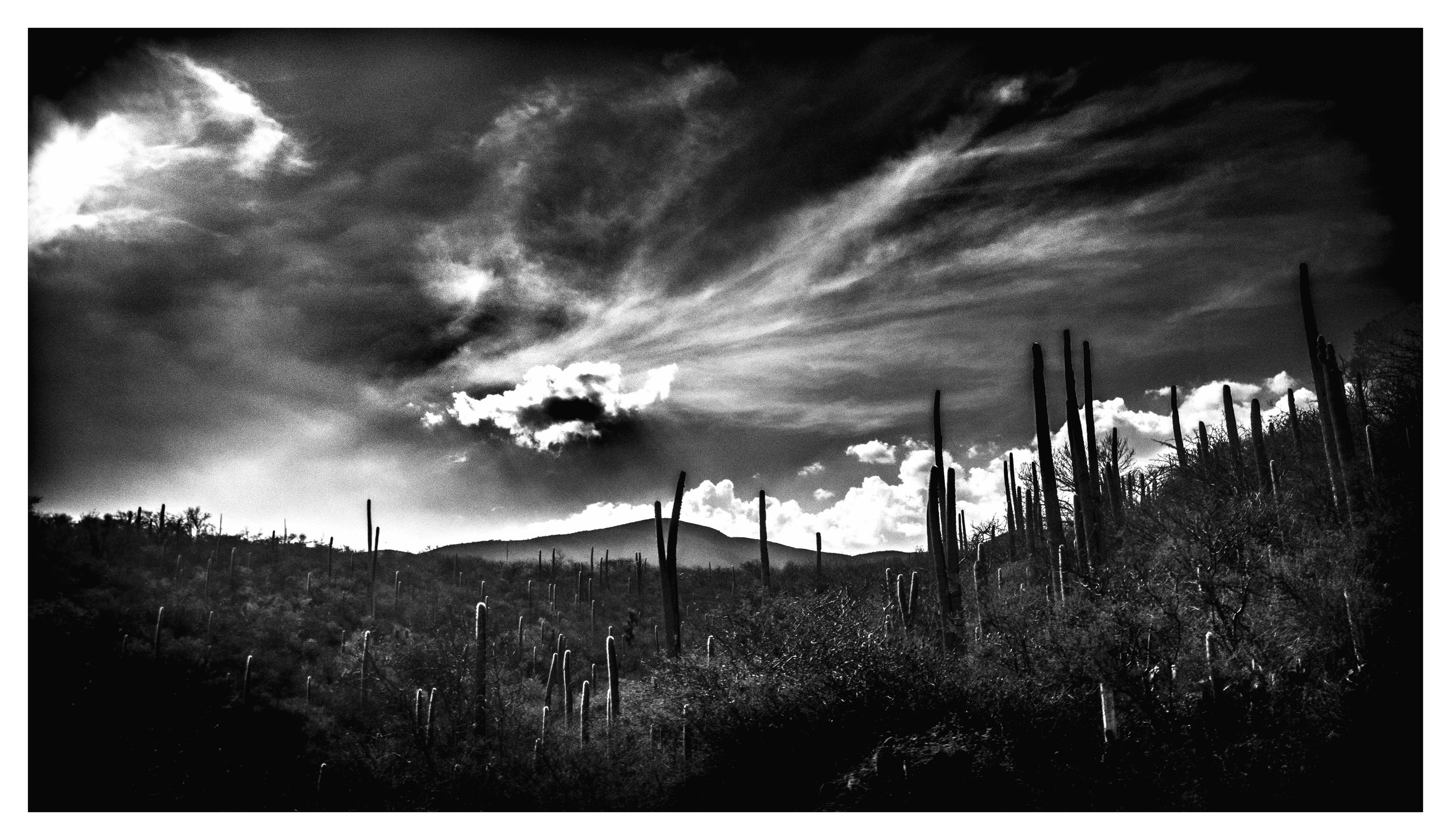
The Architecture of the In-Between, No. 08 (Puebla, Mexico) 2025. Archival Pigment Print, Edition of 15.
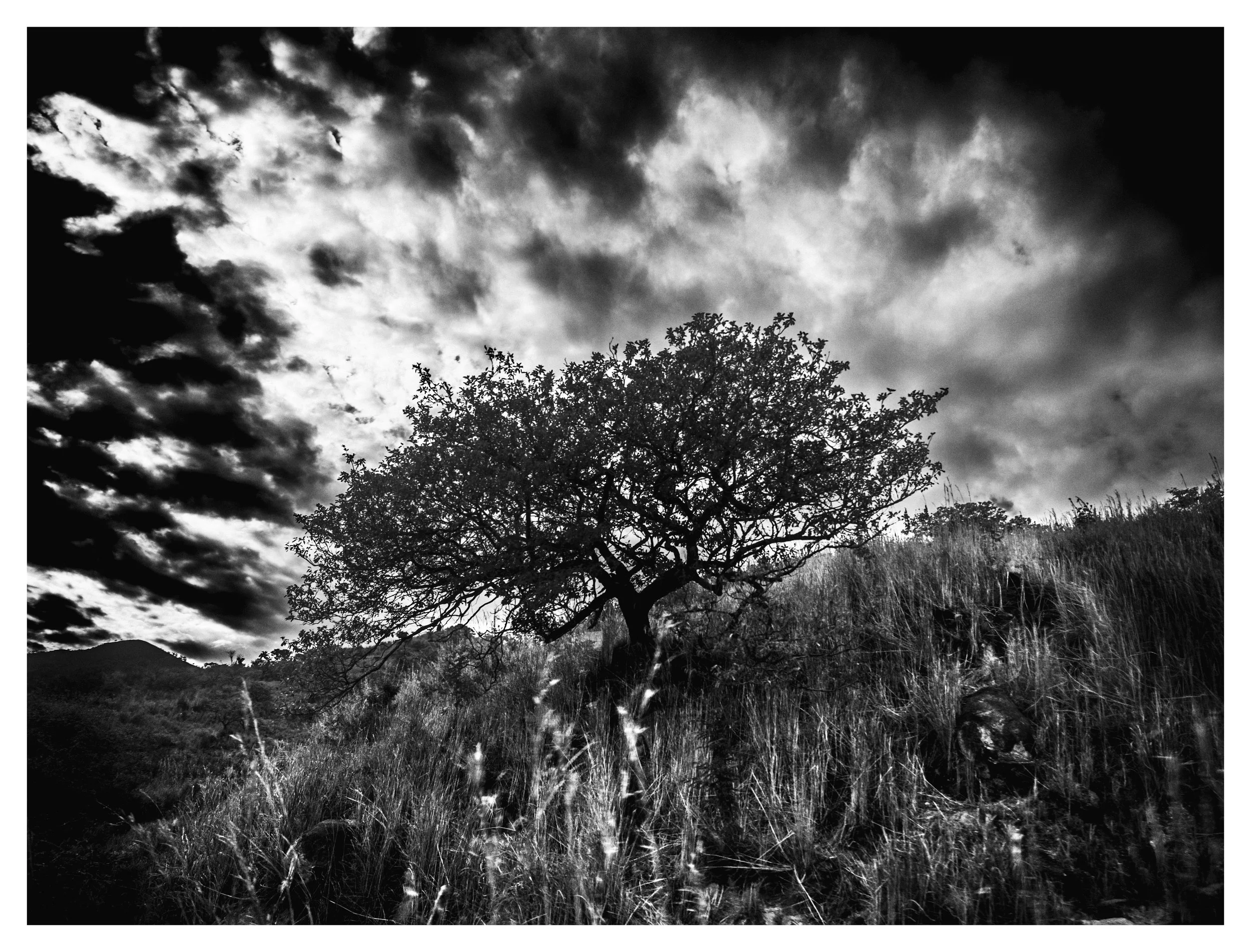
The Architecture of the In-Between, No. 09 (Chiapas, Mexico) 2025. Archival Pigment Print, Edition of 15.
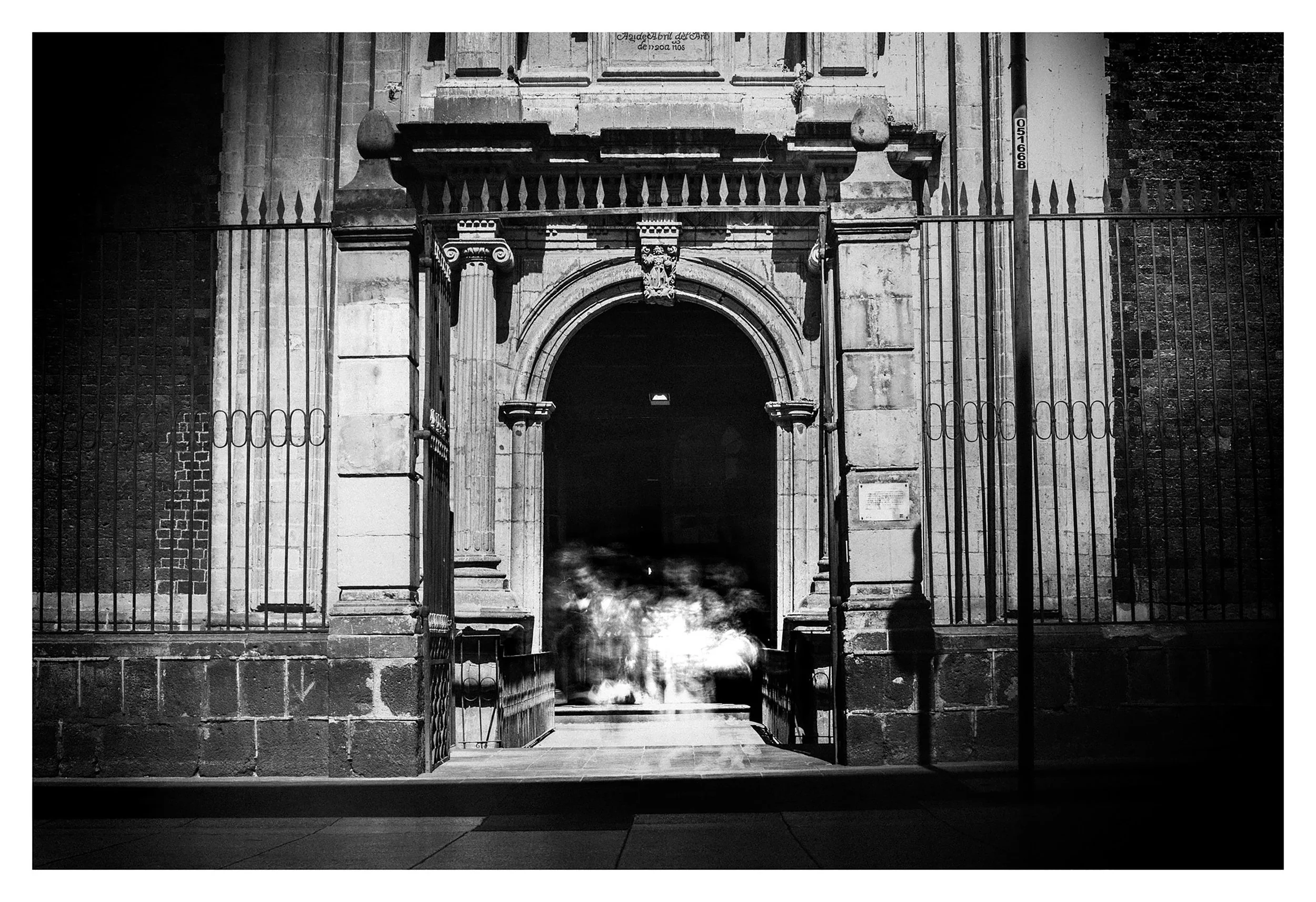
Theatre of Cruelty, No. 01 (CDMX), 2025. Archival Pigment Print, Edition of 15.
Theatre of Cruelty
2023 — 2025
The legacy of Beatrice Cenci remains a haunting bridge between the institutional violence of Renaissance Rome and the ritualistic landscapes of Mexico, bound together by the fevered vision of Antonin Artaud. After the 1935 premiere of Les Cenci, Artaud sought a primal refuge in Mexico, aiming to transform the “Theatre of Cruelty” from stage theory into a lived, visceral experience. This intersection revealed a soft power—the feminine defiance of a bewitching beauty that endured through trauma and mirrored the magnetic allure of power and danger. He found a people who, like himself, venerated the Virgin, and a space where the scent of frankincense and sandalwood mingled with the raw, red clay of pilgrimage, asserting that grace was not the absence of suffering but the artful mastery of it.
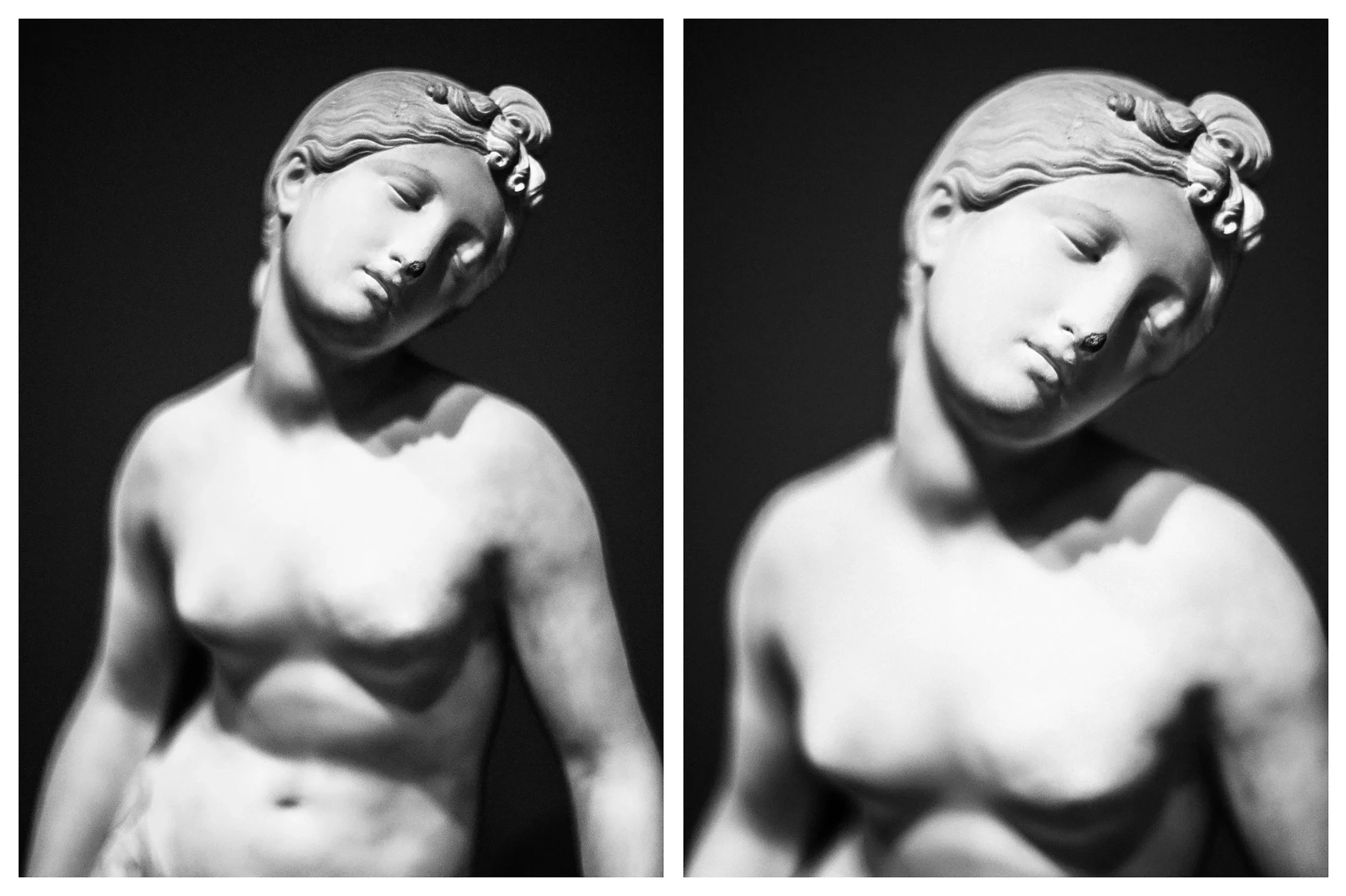
Theatre of Cruelty, No. 02 / 03 (CDMX), 2025. Archival Pigment Print, Edition of 15.
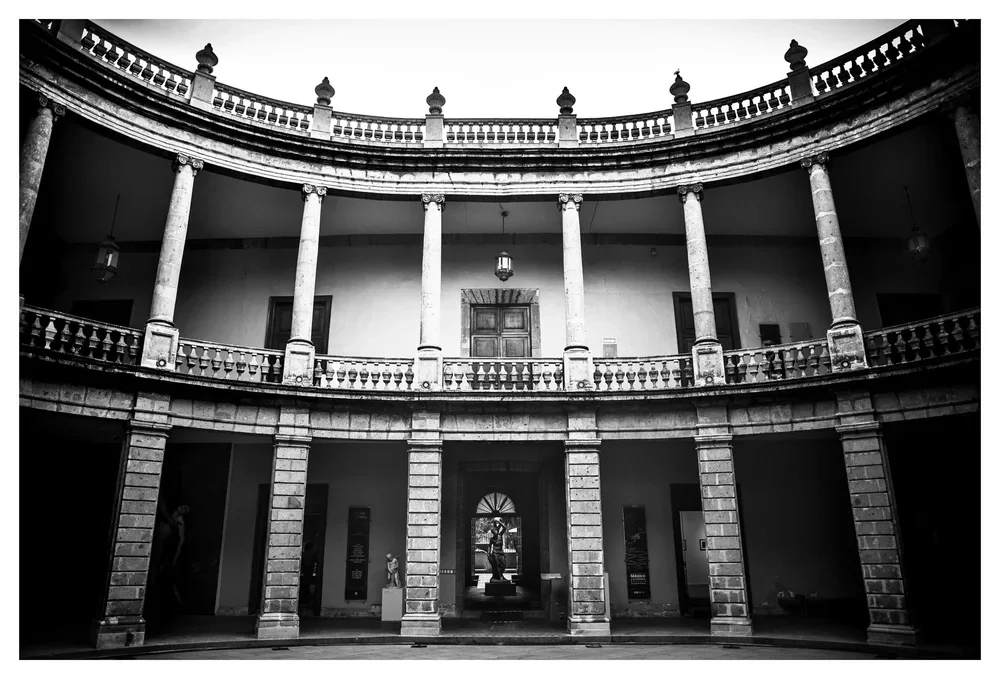
Theatre of Cruelty, No. 04 (CDMX), 2025. Archival Pigment Print, Edition of 15.
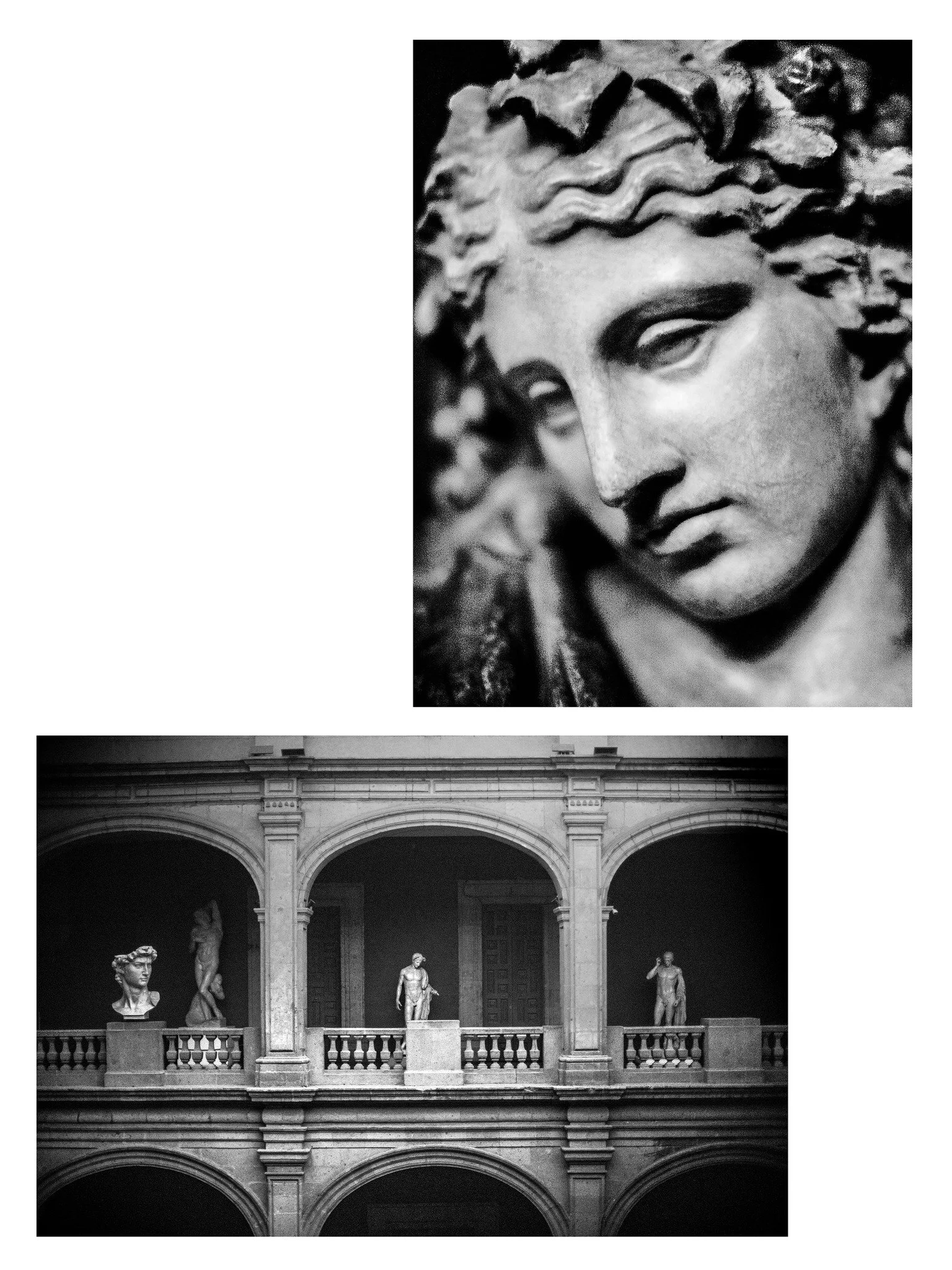
Theatre of Cruelty, No. 05 / 06 (CDMX/Oaxaca de Juarez, Mexico), 2025. Archival Pigment Print, Edition of 15.
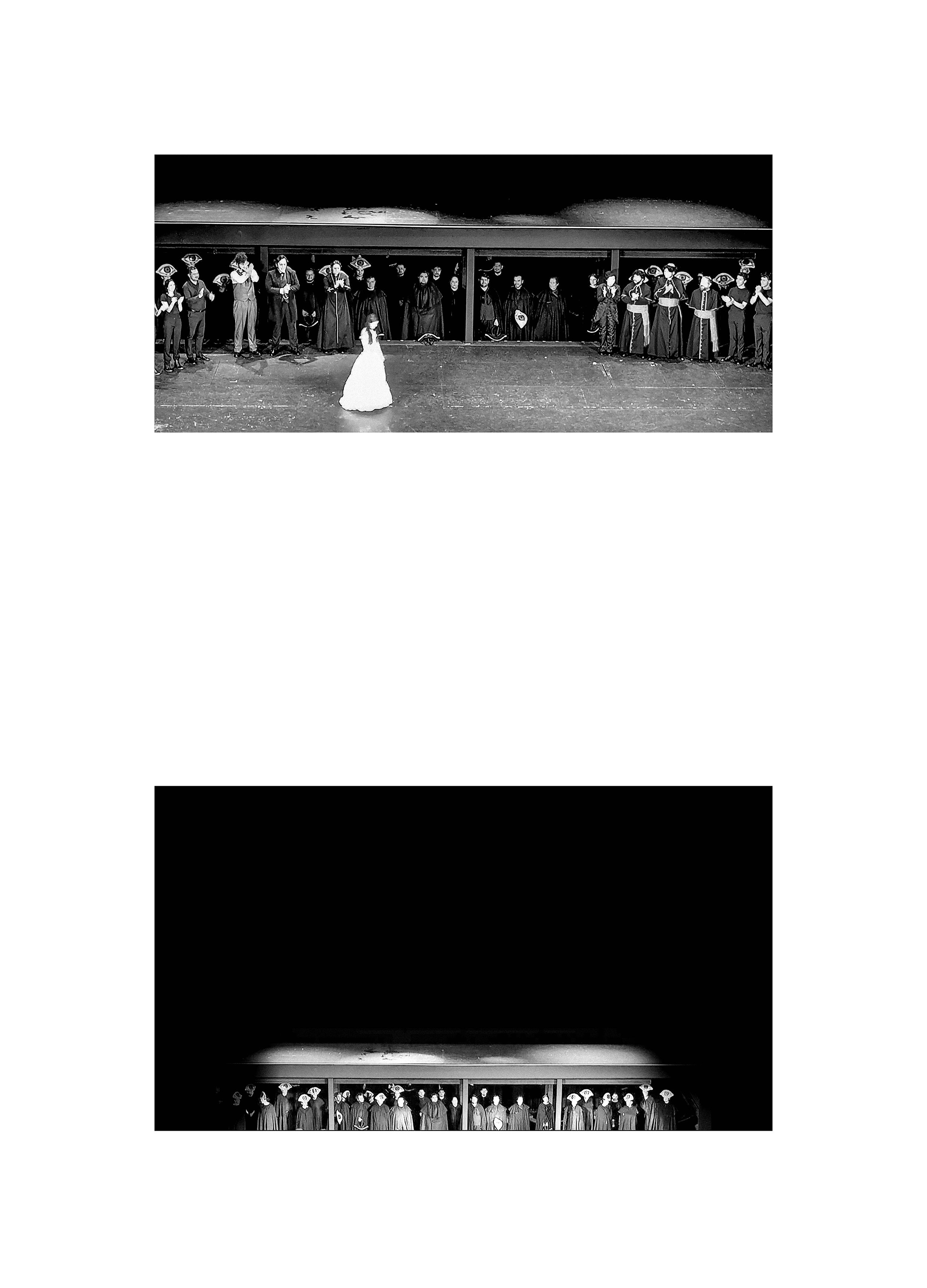
Theatre of Cruelty, No. 07 / 08 (CDMX), 2024. Archival Pigment Print, Edition of 15.
In this fresh landscape, Artaud’s vision found its true stage not in a traditional theater, but in the very streets and spiritual practices he encountered. He saw the indigenous ritual—the Tarahumara peyote ceremony—as a genuine expression of his artistic vision—a performance in which the line between actor and audience blurred, and existence was stripped down to its most primal, hallucinatory essence. Mexico became the crucible where the symbolic violence of Rome fused with a living, visceral enactment—a land where history wasn’t just remembered but actively re-enacted through art, culture, politics, and everyday life. It was a lasting transformation of space, a constant spectacle of attraction and unsettling danger, a strange spectrum in which the very air itself was heavy with echoes of sacrificed innocence.
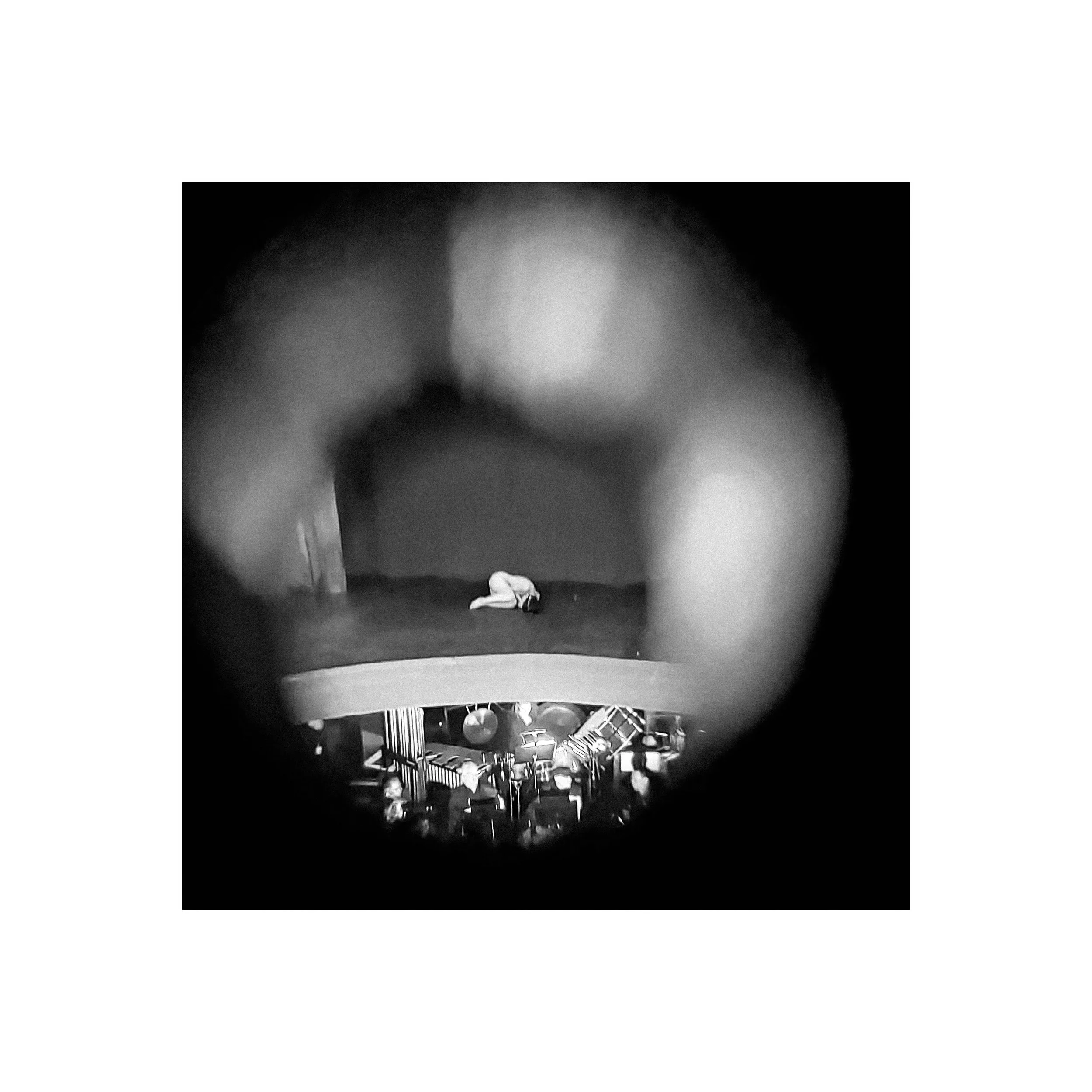
Theatre of Cruelty, No. 09 (CDMX), 2024. Archival Pigment Print, Edition of 15.
Oh! in this mortal world
There is no vindication and no law,
Which can adjudge and execute the doom
Of that through which I suffer.
—Beatrice Cenci
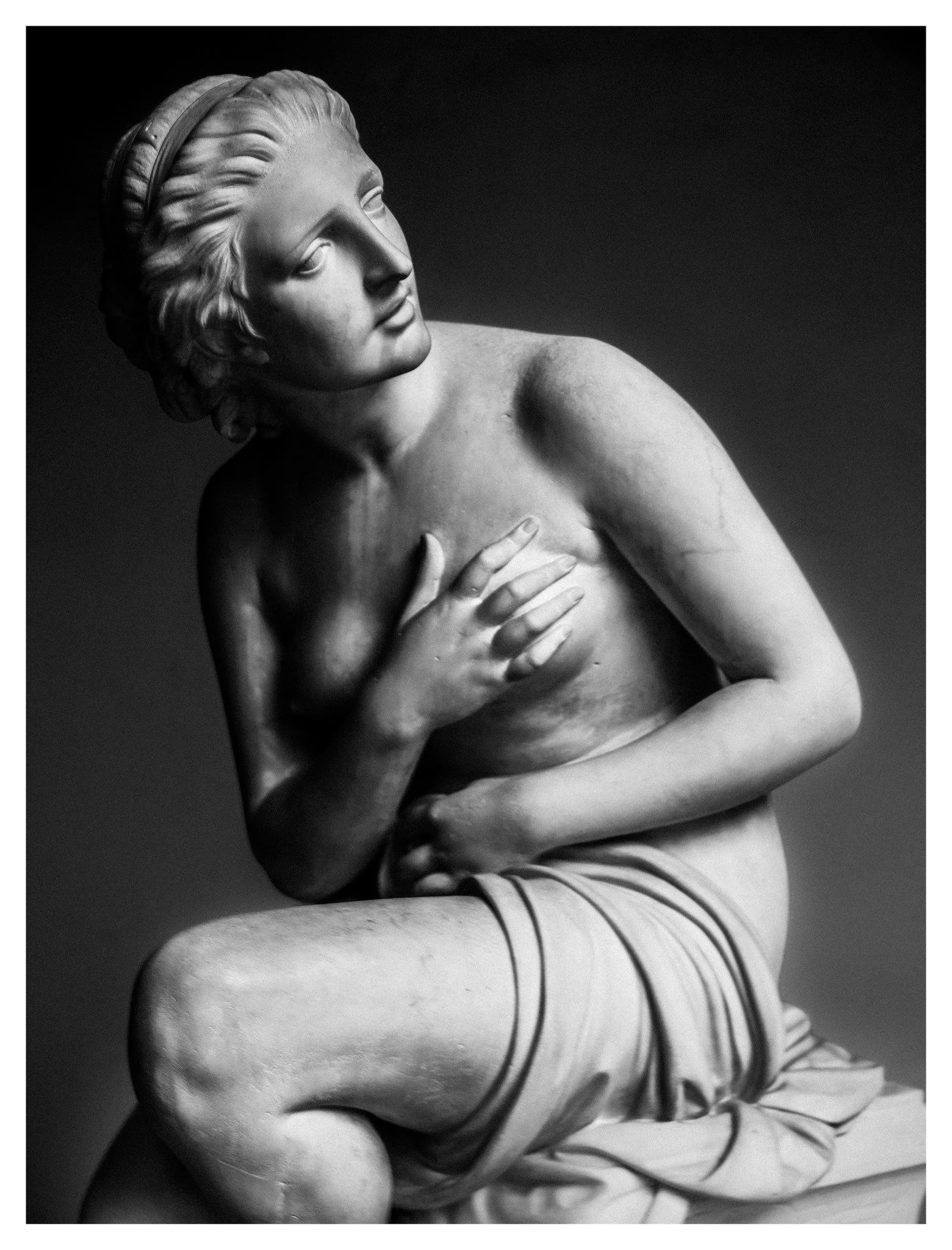
Theatre of Cruelty, No. 10 (CDMX), 2025. Archival Pigment Print, Edition of 15.
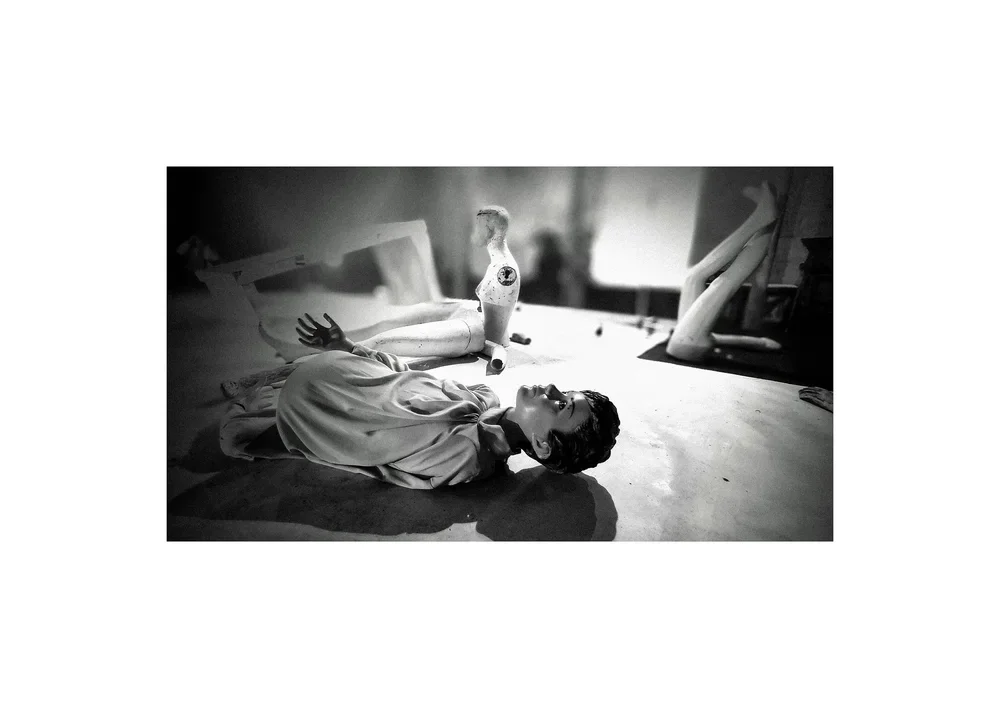
Theatre of Cruelty, No. 11 (CDMX), 2024. Archival Pigment Print, Edition of 15.
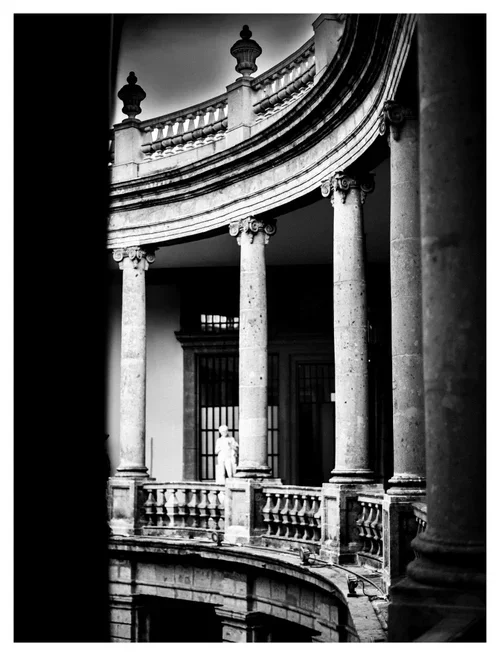
Theatre of Cruelty, No. 12 (CDMX), 2025. Archival Pigment Print, Edition of 15.
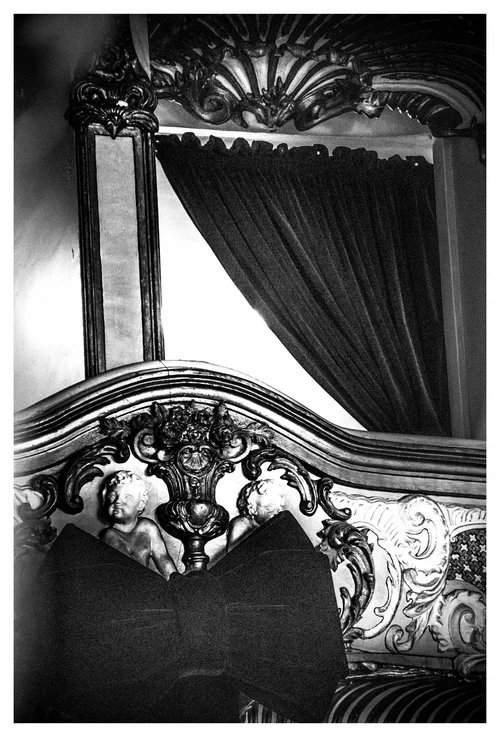
Theatre of Cruelty, No. 13 (Oaxaca de Juárez), 2025. Archival Pigment Print, Edition of 15.
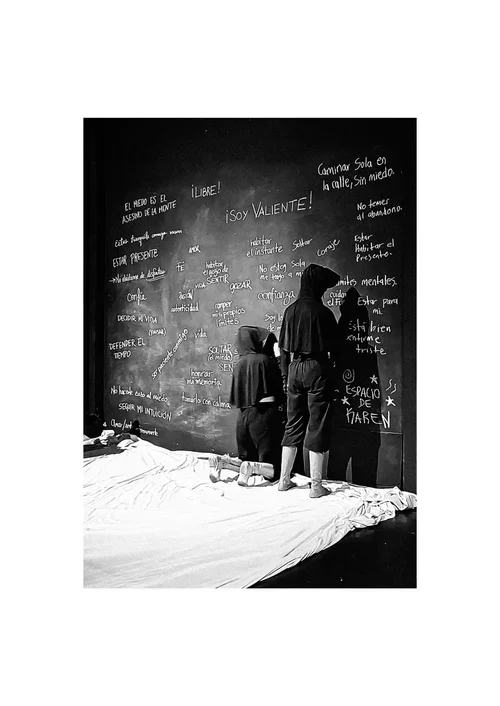
Theatre of Cruelty, No. 14 (CDMX), 2024. Archival Pigment Print, Edition of 15.
This historical connection resonates deeply in today's Mexico, where the Cenci archetype persists in a thousand forms across the country, woven into the fabric of daily life. The modern metropolis of Mexico City, a vibrant, sprawling entity built over ancient sacrifice, stages above all, a daily theatre of cruelty, blending baroque beauty with brutal reality. From the elegant, melancholic street portraits of the victims that evoke “punished innocence,” to the graffiti-covered walls and riot barriers of the Capitol that speak truth to power and perceived repression, a city that breathes life into Artaud’s vision. This duality is manifest in the contrast between the glittering luxury of high society and the raw resilience of street barrios—a magnetic landscape where the sweet aroma of maize mingles with the metallic tang of urban struggle. In Mexico, the subtle, persistent strength of feminine disobedience ensures that the legacy of Beatrice Cenci remains timeless; a lasting whisper challenging the ethos of a population to find grace amid the unsparing spectacle of survival.
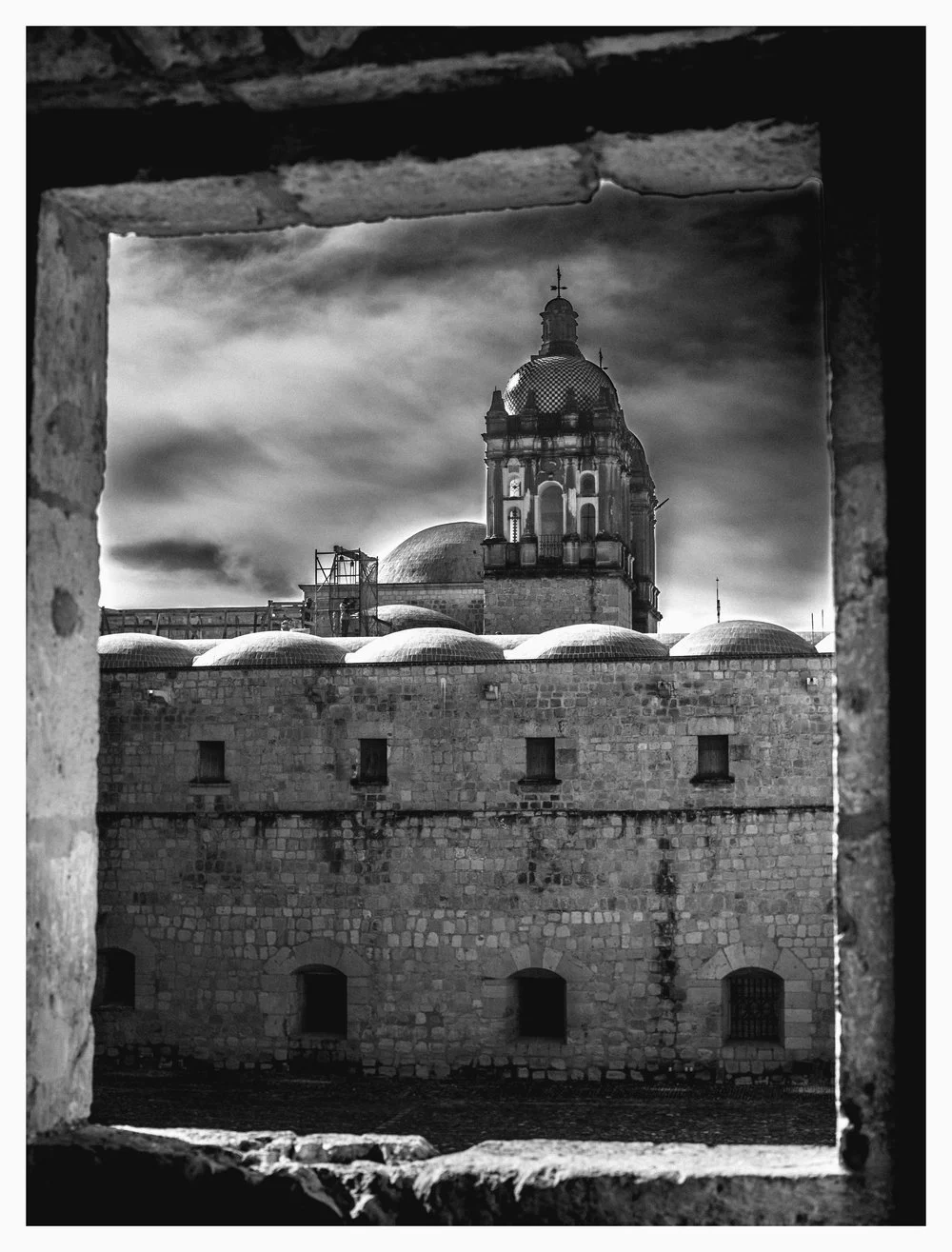
Theatre of Cruelty, No. 15 (Oaxaca de Juárez, Mexico), 2025. Archival Pigment Print, Edition of 15.
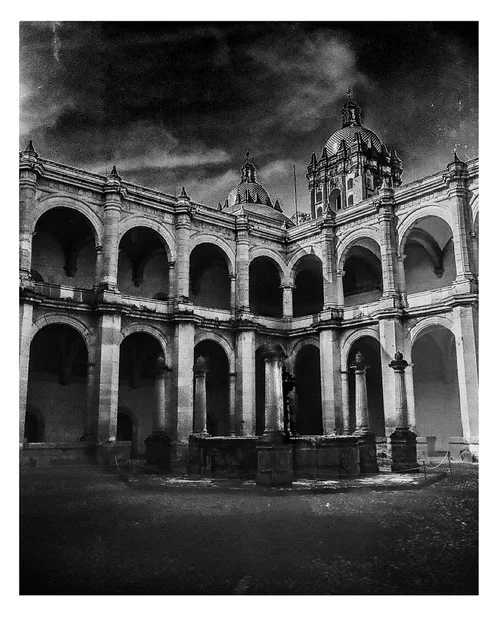
Theatre of Cruelty, No. 16 (Oaxaca de Juárez, Mexico), 2025. Archival Pigment Print, Edition of 15.
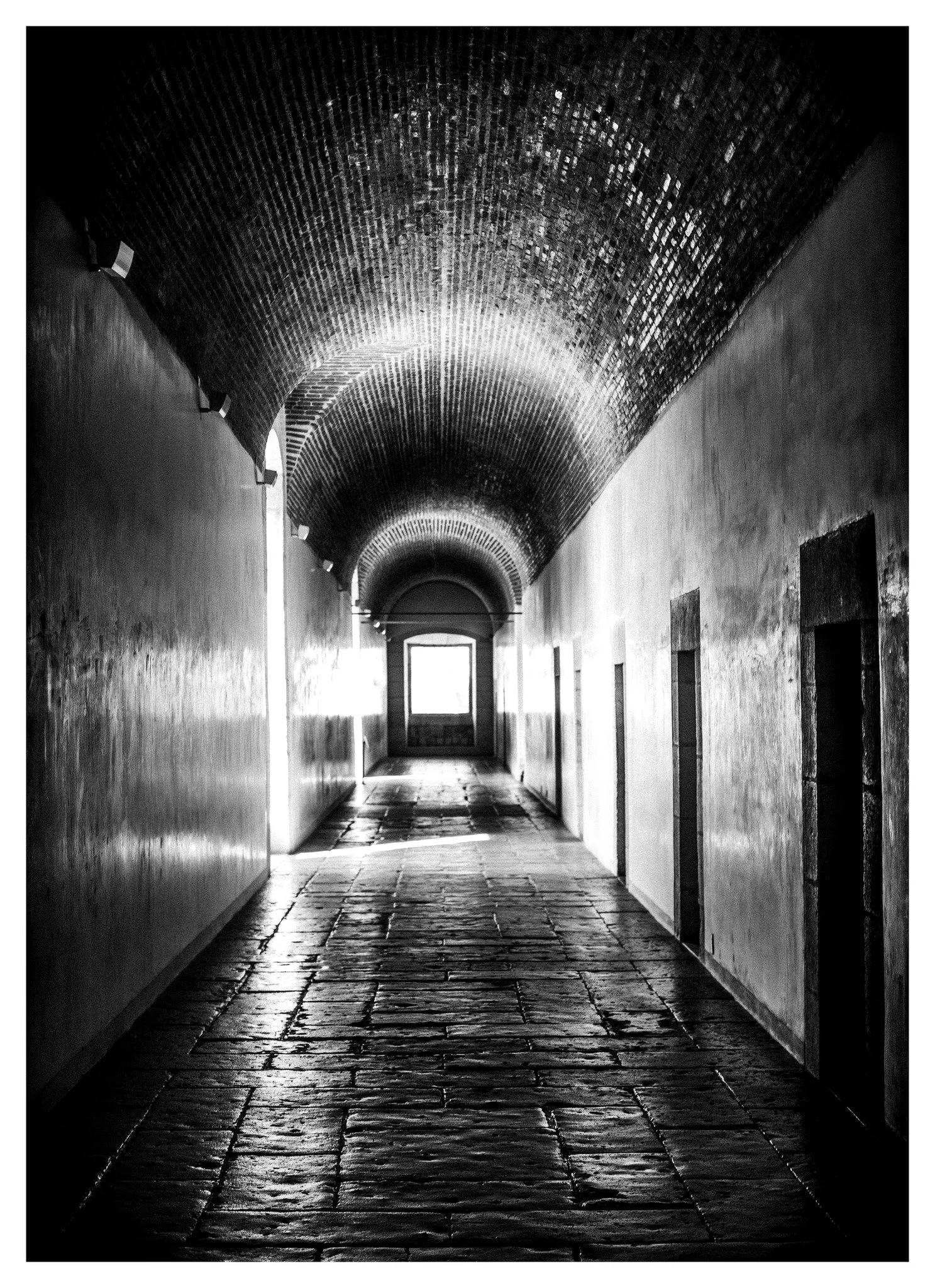
Theatre of Cruelty, No. 17 (Oaxaca de Juárez, Mexico), 2025. Archival Pigment Print, Edition of 15.
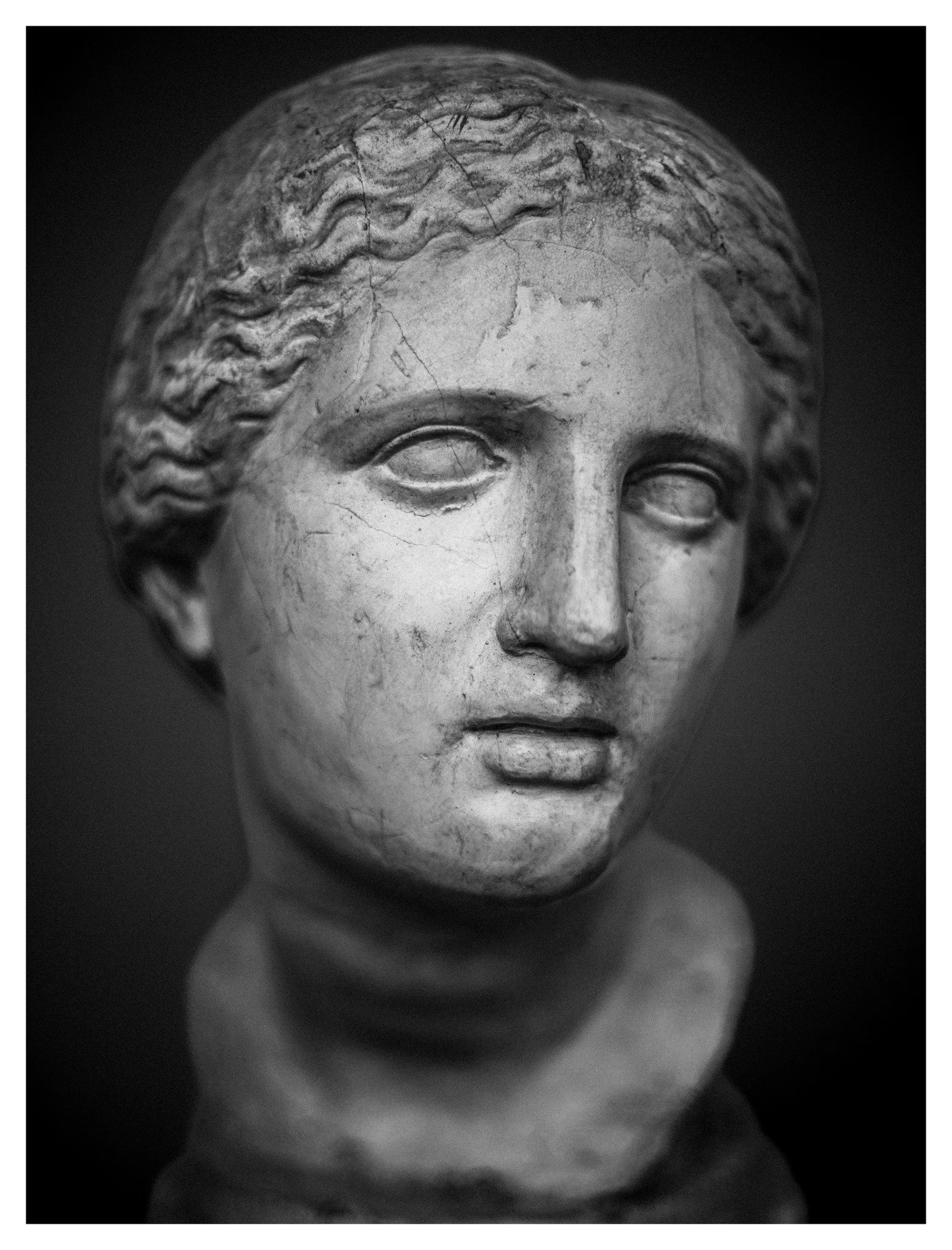
Theatre of Cruelty, No. 18 (CDMX), 2025. Archival Pigment Print, Edition of 15.
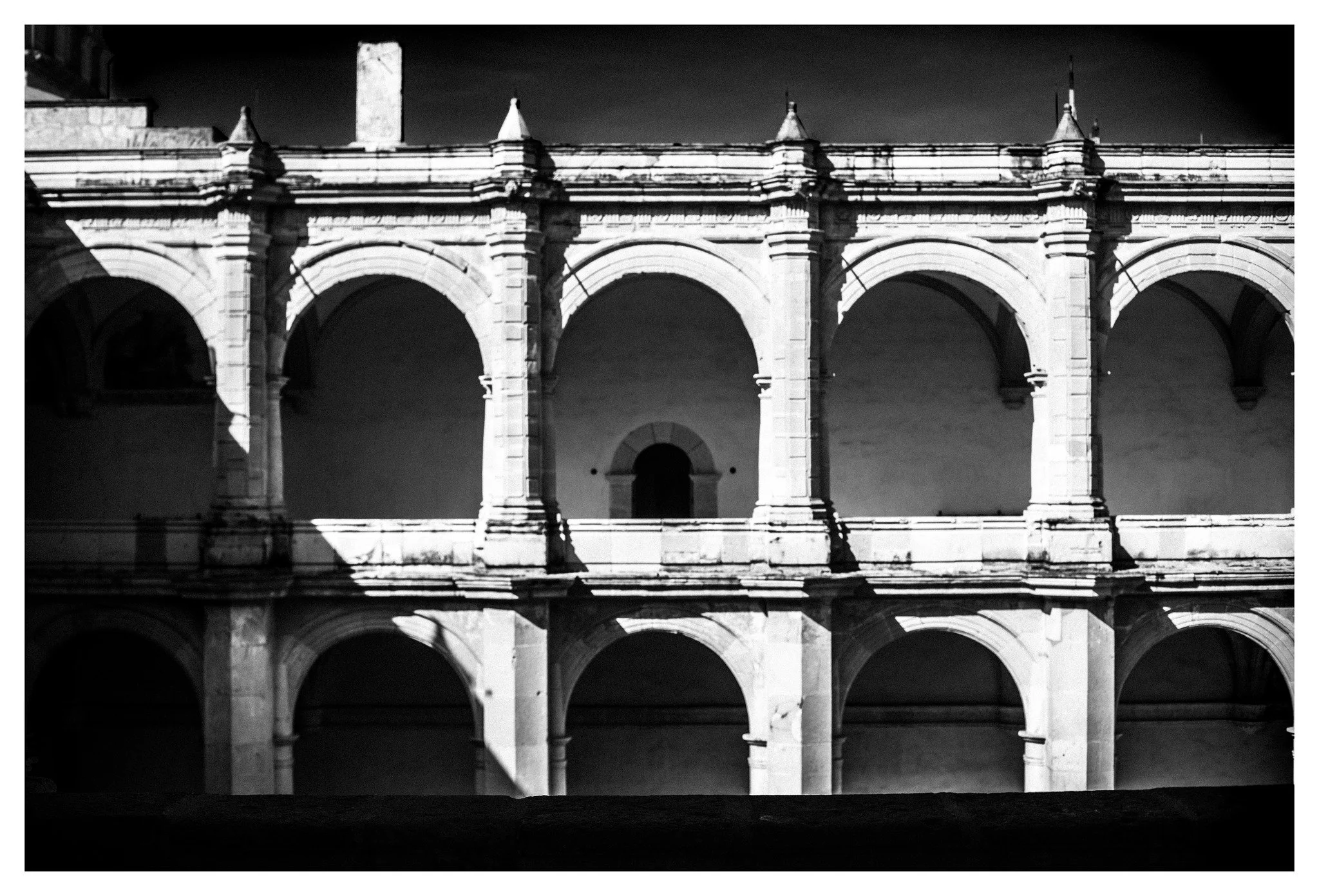
Theatre of Cruelty, No. 19 (Oaxaca de Juárez, Mexico), 2025. Archival Pigment Print, Edition of 15.
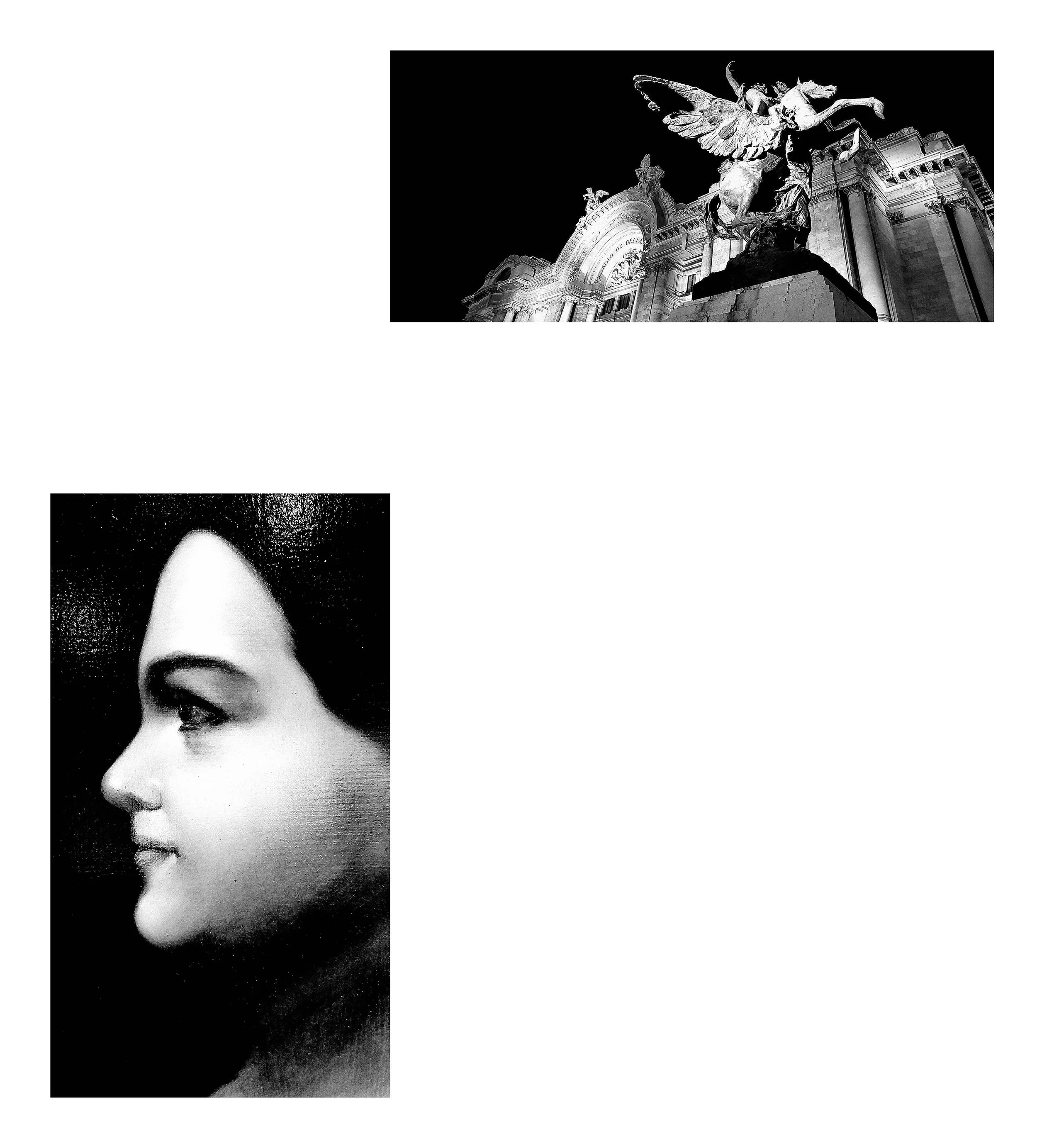
Theatre of Cruelty, No. 19 (CDMX), 2024. Archival Pigment Print, Edition of 15.
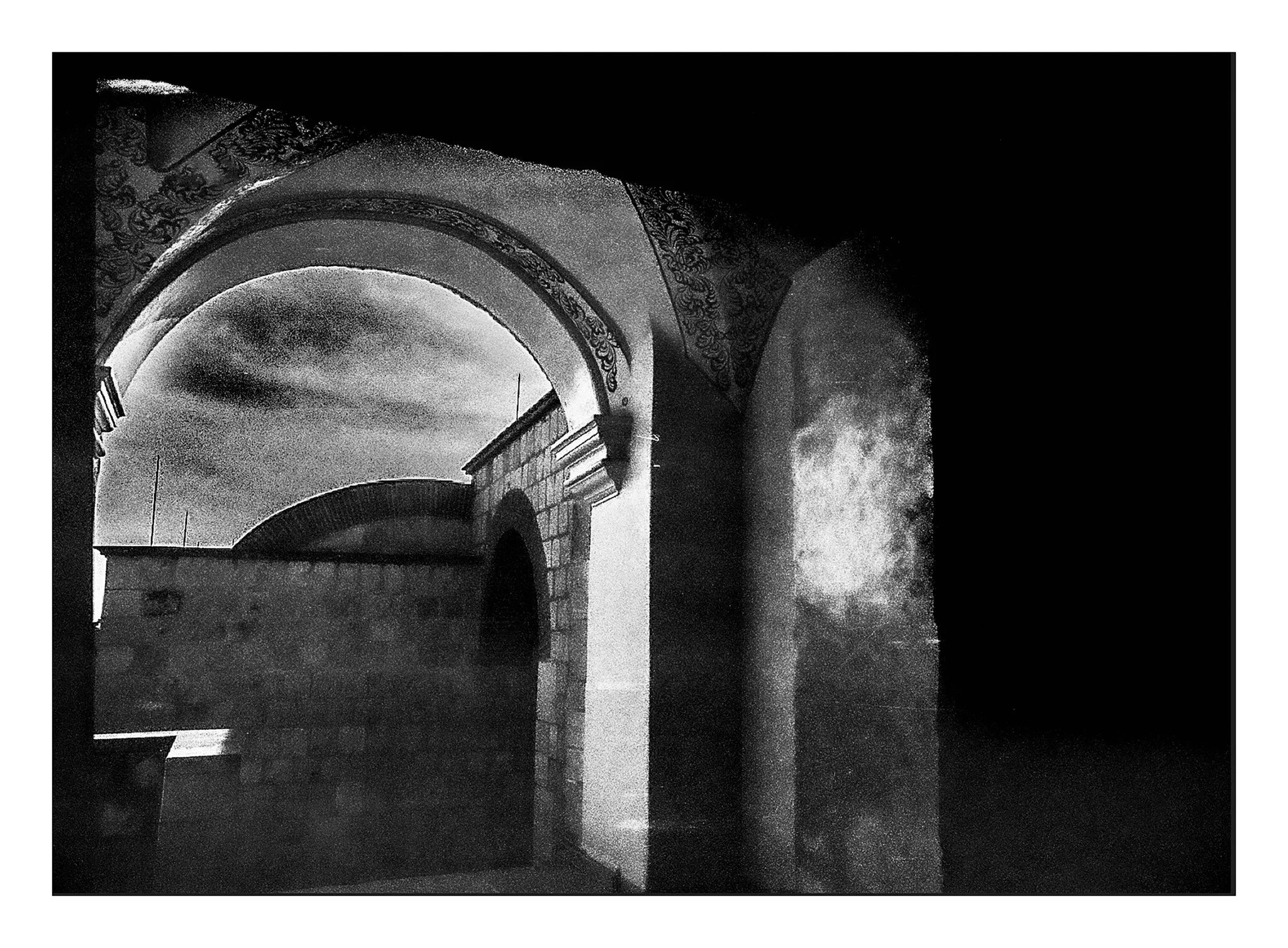
Theatre of Cruelty, No. 20 (Oaxaca de Juárez, Mexico), 2025. Archival Pigment Print, Edition of 15.
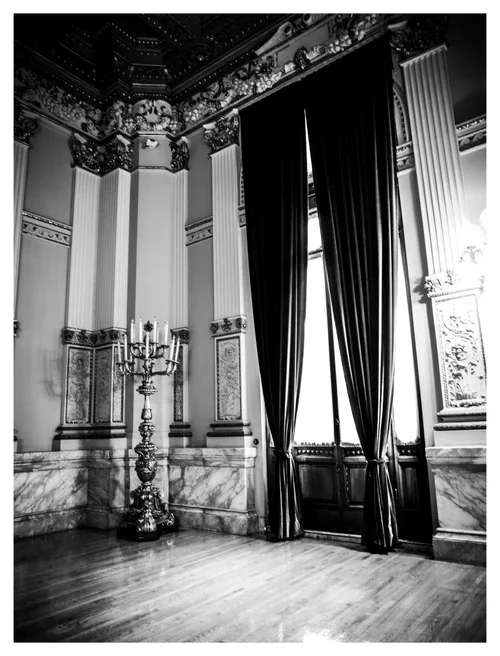
Theatre of Cruelty, No. 24 (CDMX), 2025. Archival Pigment Print, Edition of 15.
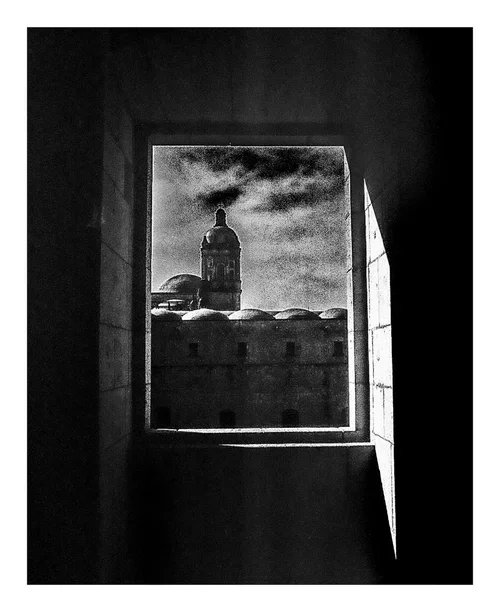
Theatre of Cruelty, No. 22 (Oaxaca de Juárez, Mexico), 2025. Archival Pigment Print, Edition of 15.
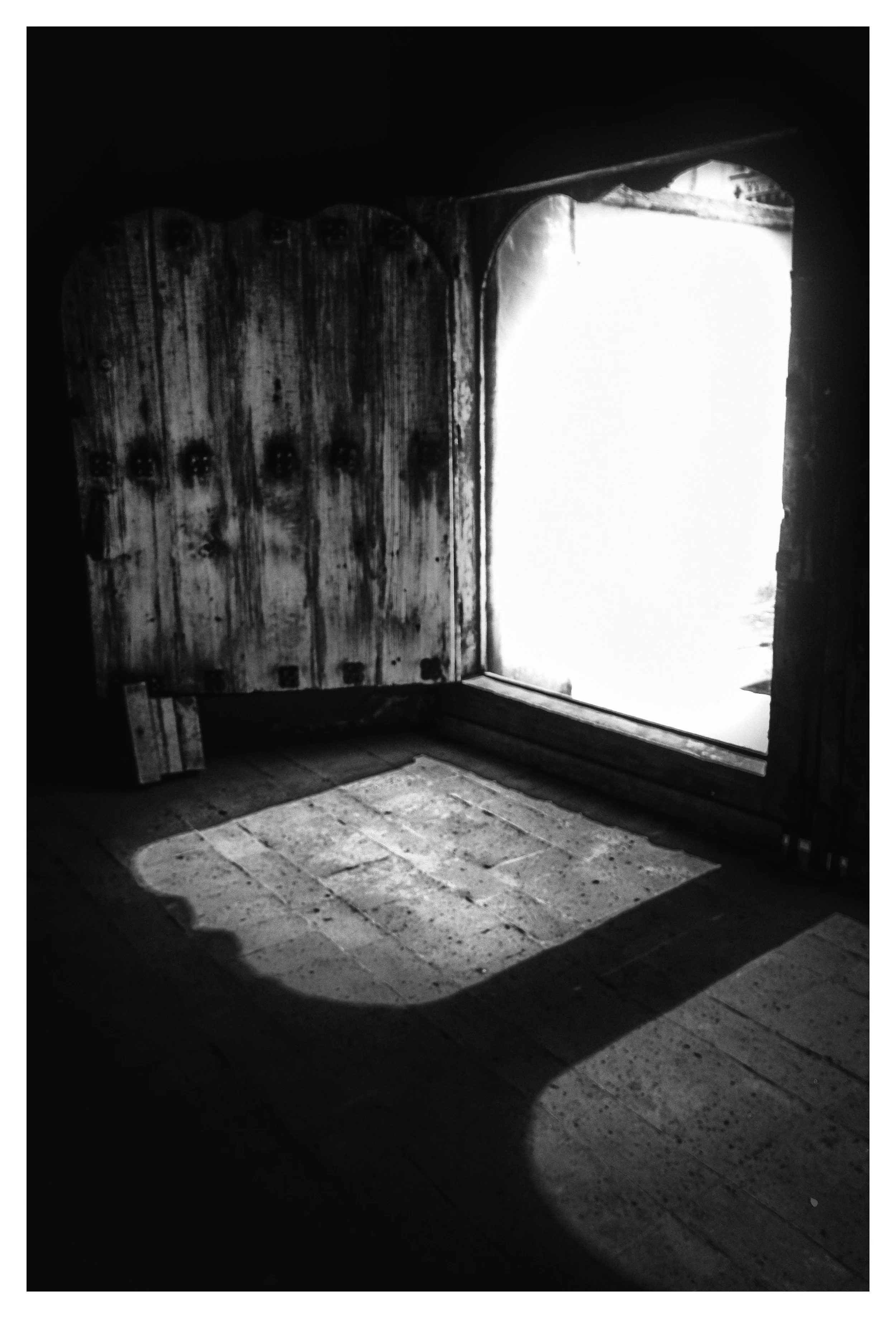
Theatre of Cruelty, No. 23 (Oaxaca de Juárez, Mexico), 2025. Archival Pigment Print, Edition of 15.
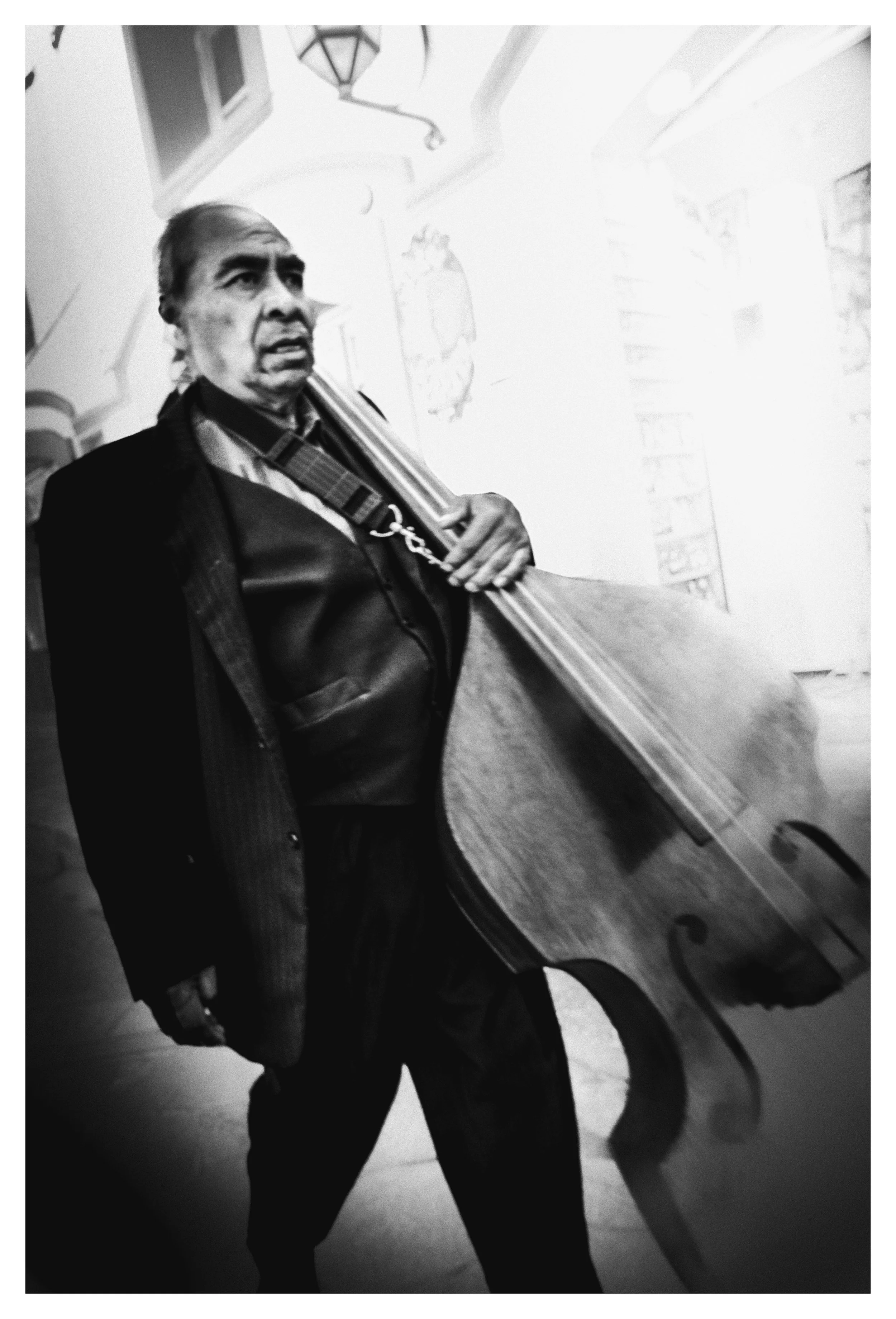
Theatre of Cruelty, No. 24 (Oaxaca de Juárez, Mexico), 2025. Archival Pigment Print, Edition of 15.
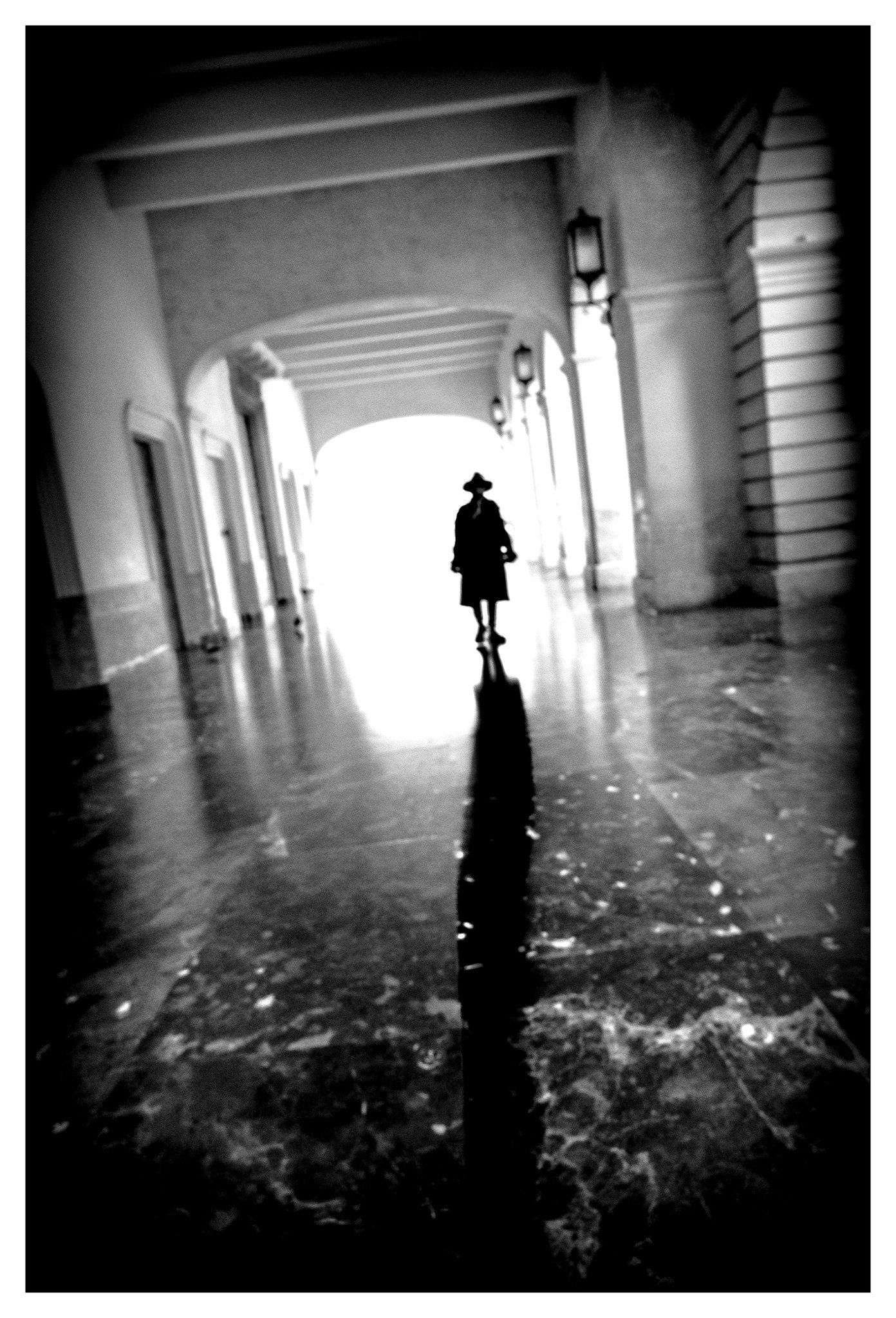
Theatre of Cruelty, No. 25 (San Cristóbal, Chiapas, Mexico), 2025. Archival Pigment Print, Edition of 15.
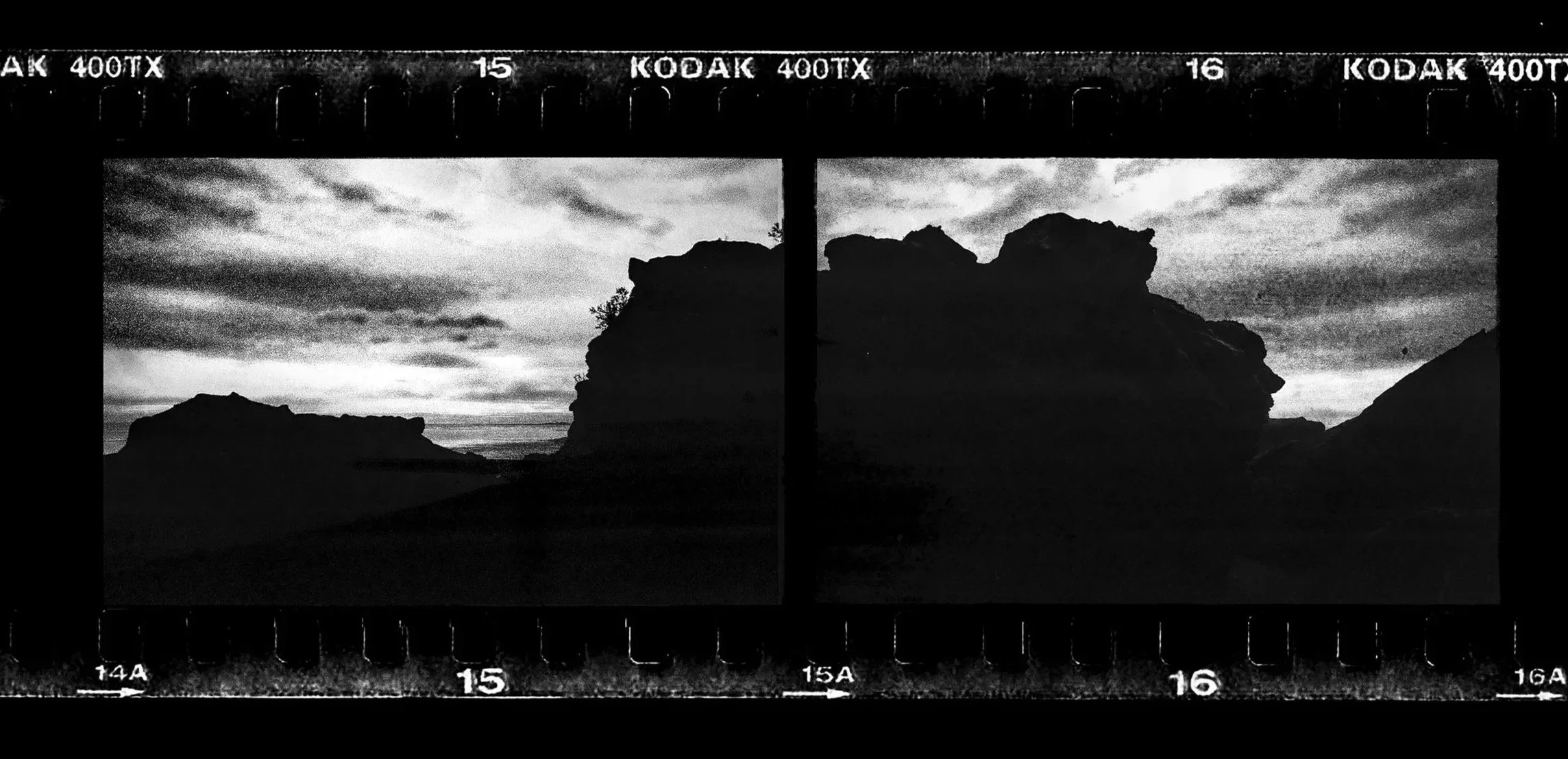
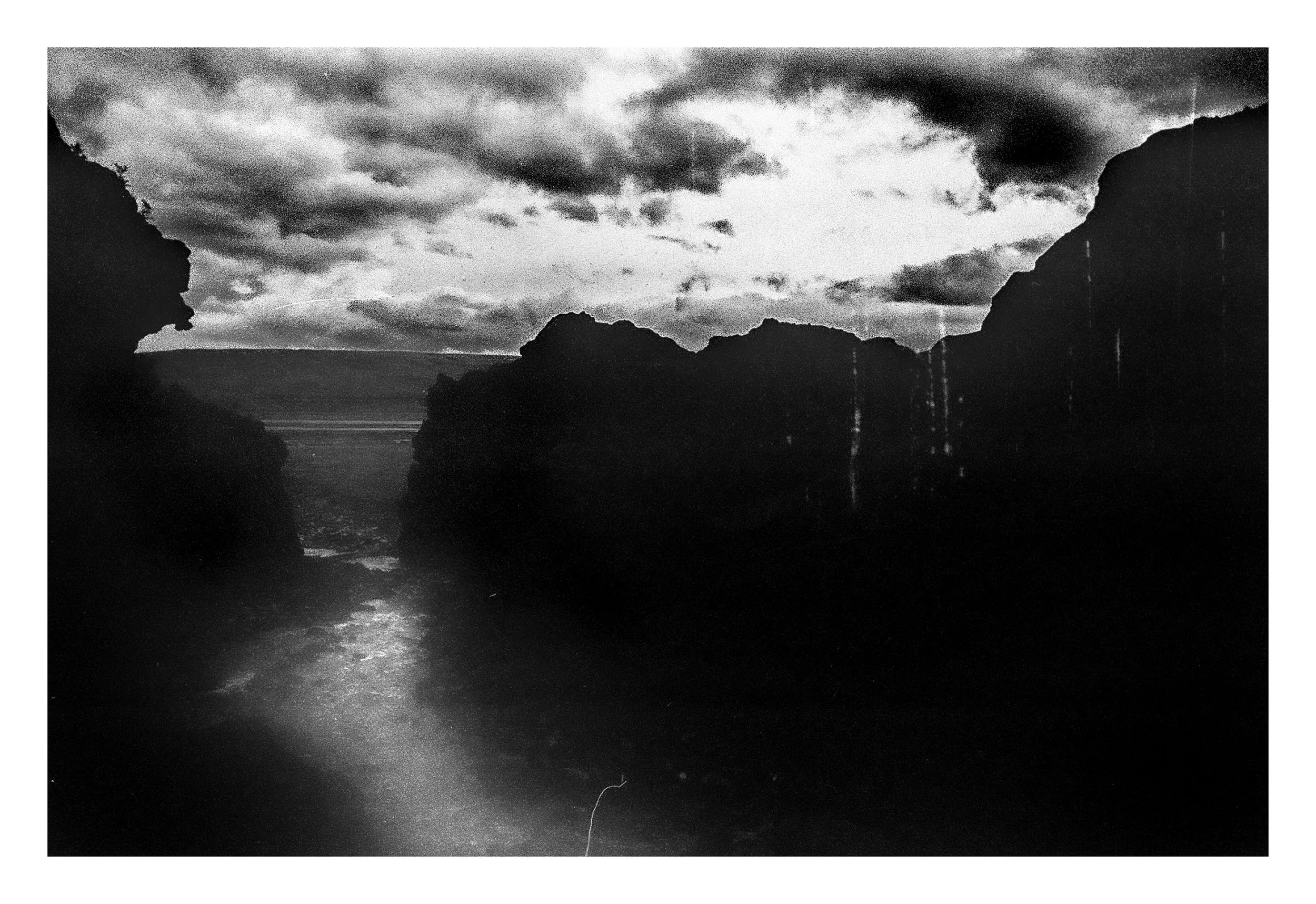
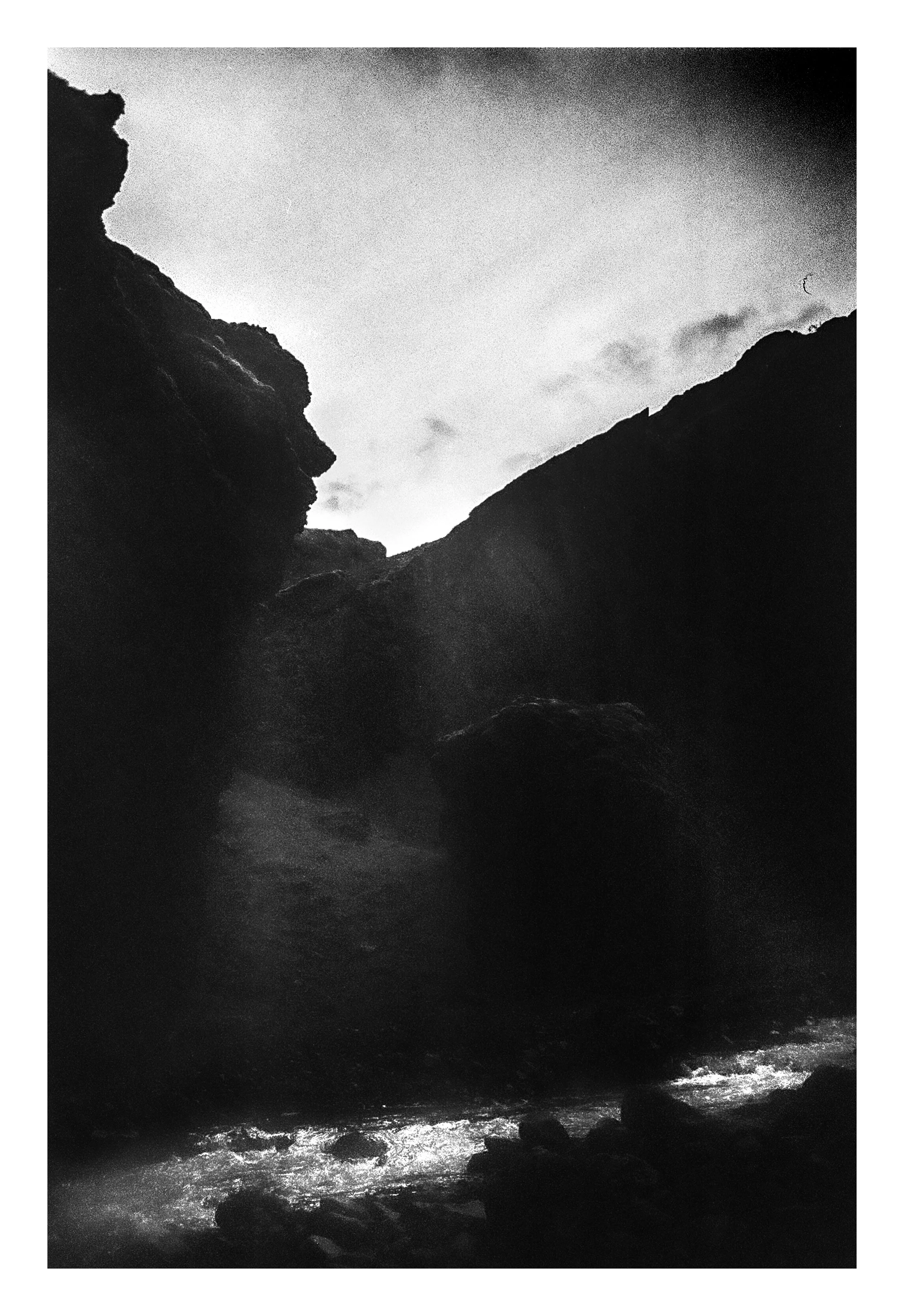
The Geometry of Isolation (Iceland), 2025.
The Geometry of Isolation
2025
The concept of form is deeply influenced by the dimensions of time and space, and in turn, form can actively shape our experience of both. Over time, forms may evolve, erode, or transform, revealing the dynamic nature of physical and conceptual structures. Spatial context—whether expansive or confined—can alter the perception and function of a form, influencing its meaning and interaction with its environment. Conversely, the arrangement and design of forms can dictate how space is navigated and how time is experienced within a given setting, such as in the flow of architectural design, natural landscapes, or the pacing and sequencing of visual art. Photography and Zeno's paradox both probe the nature of time, movement, and perception. In photography, the act of capturing a moment freezes a fleeting instant, creating a static form from continuous motion—much like Zeno’s paradox, which challenges the possibility of movement by dividing it into infinitely smaller steps. Each photograph can be seen as a visual “slice” within the ongoing flow of reality, echoing Zeno’s idea that motion is composed of an infinite series of still points. Not only does photography objectively freeze time within a frame, but that moment is also subjective, depending on the exposure time and the size of the frame. It illustrates the paradox that if time can be frozen in a finite moment, then time does not truly exist. Additionally, since the boundary of the frame and the exposure time are subjective choices, even though we set these boundaries, they do not exist in nature or reality. While a photograph captures a moment, that moment is only isolated through perspective. Time and space, shaped by the ways we choose to frame and interpret moments, juxtapose the objective and the subjective in relation to form. This reciprocal relationship highlights that form, time, and space are not isolated elements but constantly interact, shaping and redefining one another in a continuous cycle of influence.
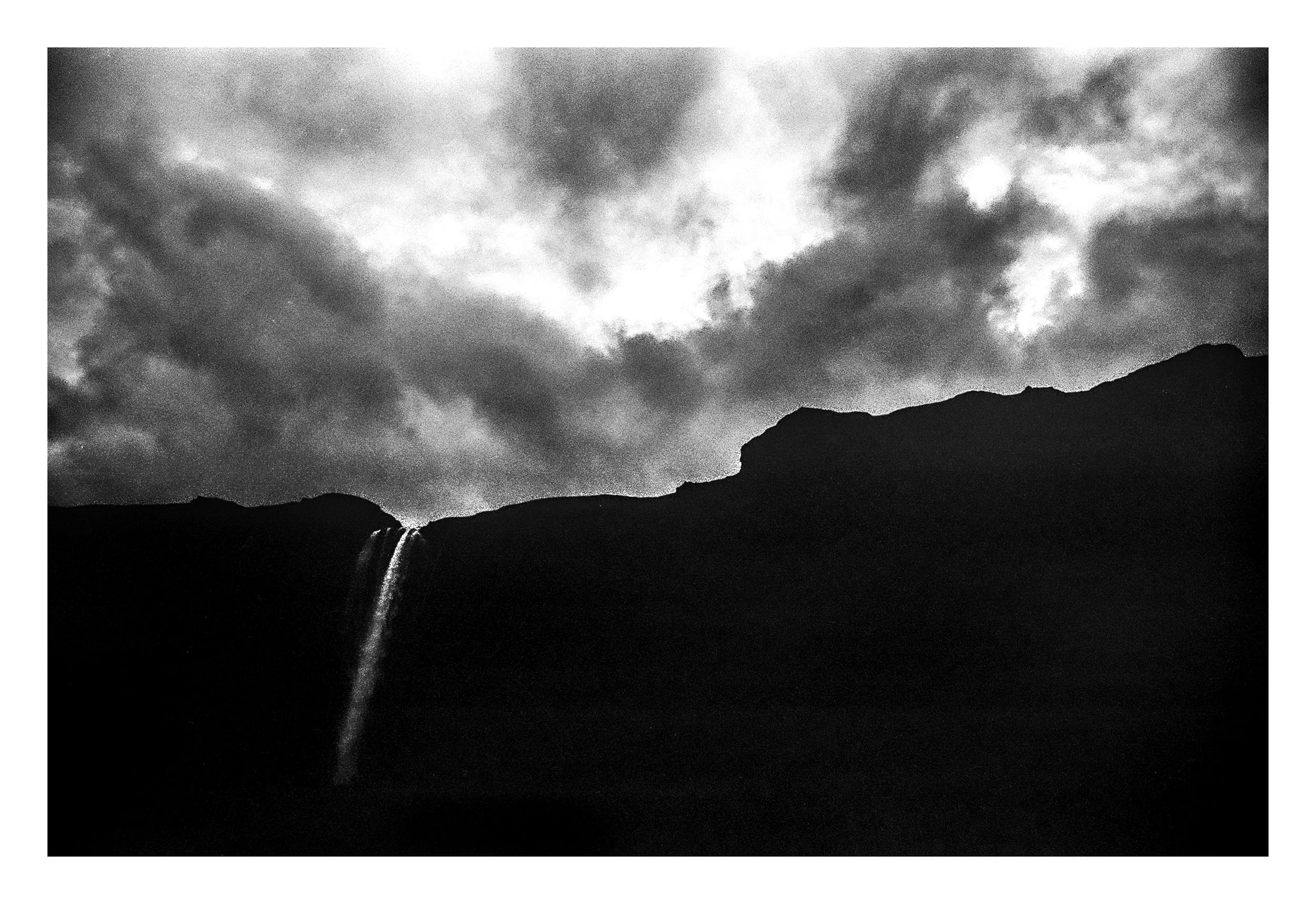
The Geometry of Isolation, No. 01 (Iceland), 2025. Archival Pigment Print, Edition of 15.
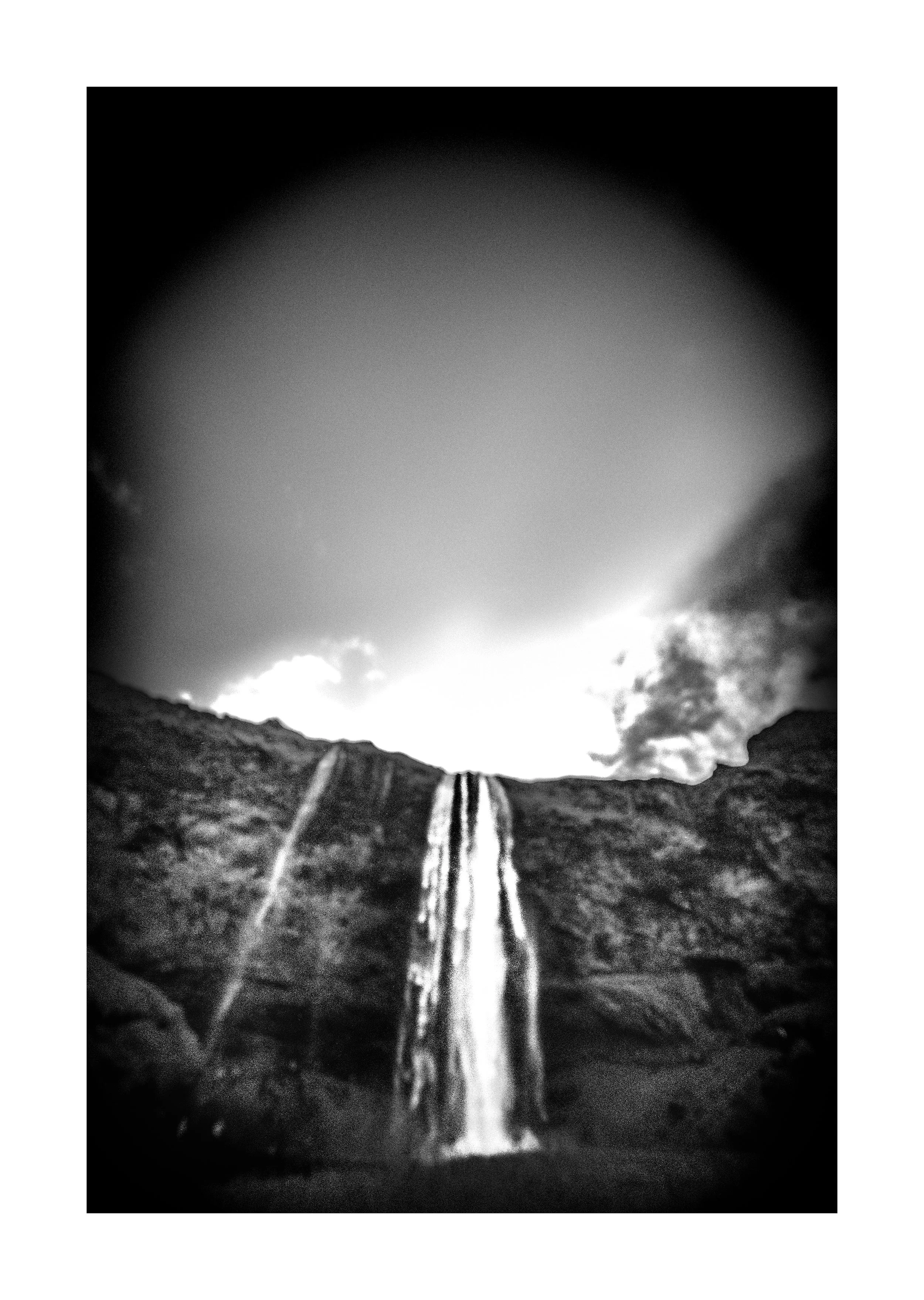
The Geometry of Isolation, No. 02 (Iceland), 2025. Archival Pigment Print, Edition of 15.
This series explores Iceland’s unique geological landscape and the dynamic natural forces that shape human experience. In such an extreme environment, self-reflection is not fostered but delivered forcefully, driven by stimuli that ignite vivid inner encounters, reflecting the harshness of the outside world and its conflicting physical dualities. Iceland encourages one to examine the interplay between solitude, resilience, and nature's raw power.
The Geometry of Isolation, No. 03 (Iceland), 2025. Archival Pigment Print, Edition of 15.
The Geometry of Isolation, No. 04 (Iceland), 2025. Archival Pigment Print, Edition of 15.
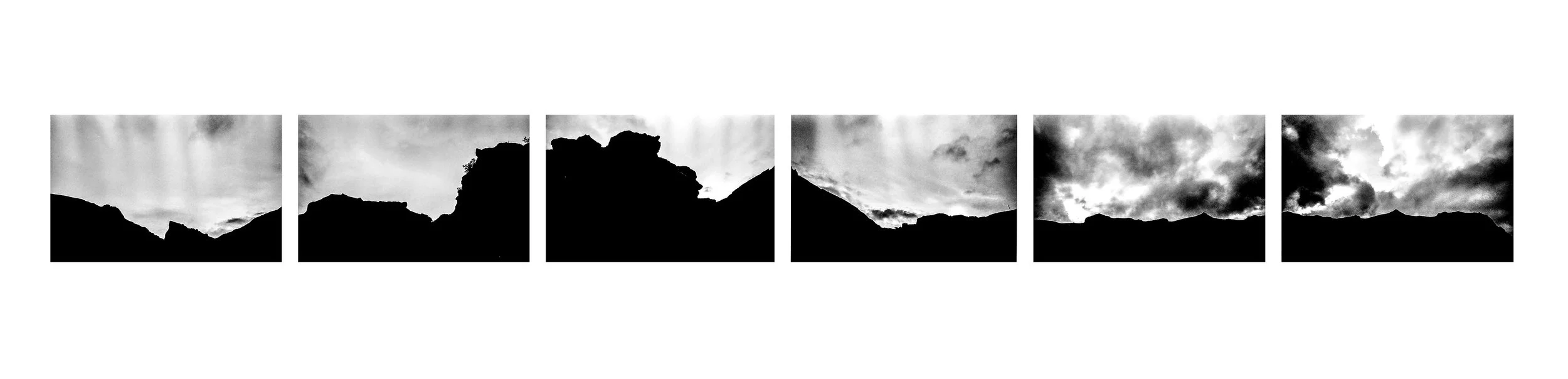
The Geometry of Isolation, No. 05 - 10 (Iceland), 2025. Archival Pigment Print, Edition of 15.
Iceland, an otherworldly stage where geological epochs are condensed into immediate, tangible forms spread across infinite planes. Iceland’s terrain is not static scenery but a living record of time. Vast glaciers act as ancient guardians of history, their geometric crevasses echoing millennia of movement and change. Within a “Geometry of Desolation,” my focus on the visual energy of the coast and volcanic expanses was overshadowed by utter emptiness and extreme emotional compactness. Solitude on black sand beaches and a retina torn by jagged basalt formations seem to represent, in the rawest form, an existential intersection of volcanic "fire" and glacial "ice." I traveled to Iceland to explore the subconscious terrain of the Arctic fringe and examine how extreme isolation can shape the spatial cognition of its inhabitants. Undoubtedly, arctic society is shaped by its unforgiving climate, which creates a unique sense of identity, marked by a "super abundance" of cultural riches born of necessity and isolation. Standing at the edge of the North Atlantic, I found myself in an environment that actively shaped my perception, not just a static backdrop. The icy wind cut through me, making each breath a visceral reminder that this landscape is not passive—it's alive with energy. As time invisibly sculpts the cold stone, the expansive surroundings shape every aspect of our encounter.
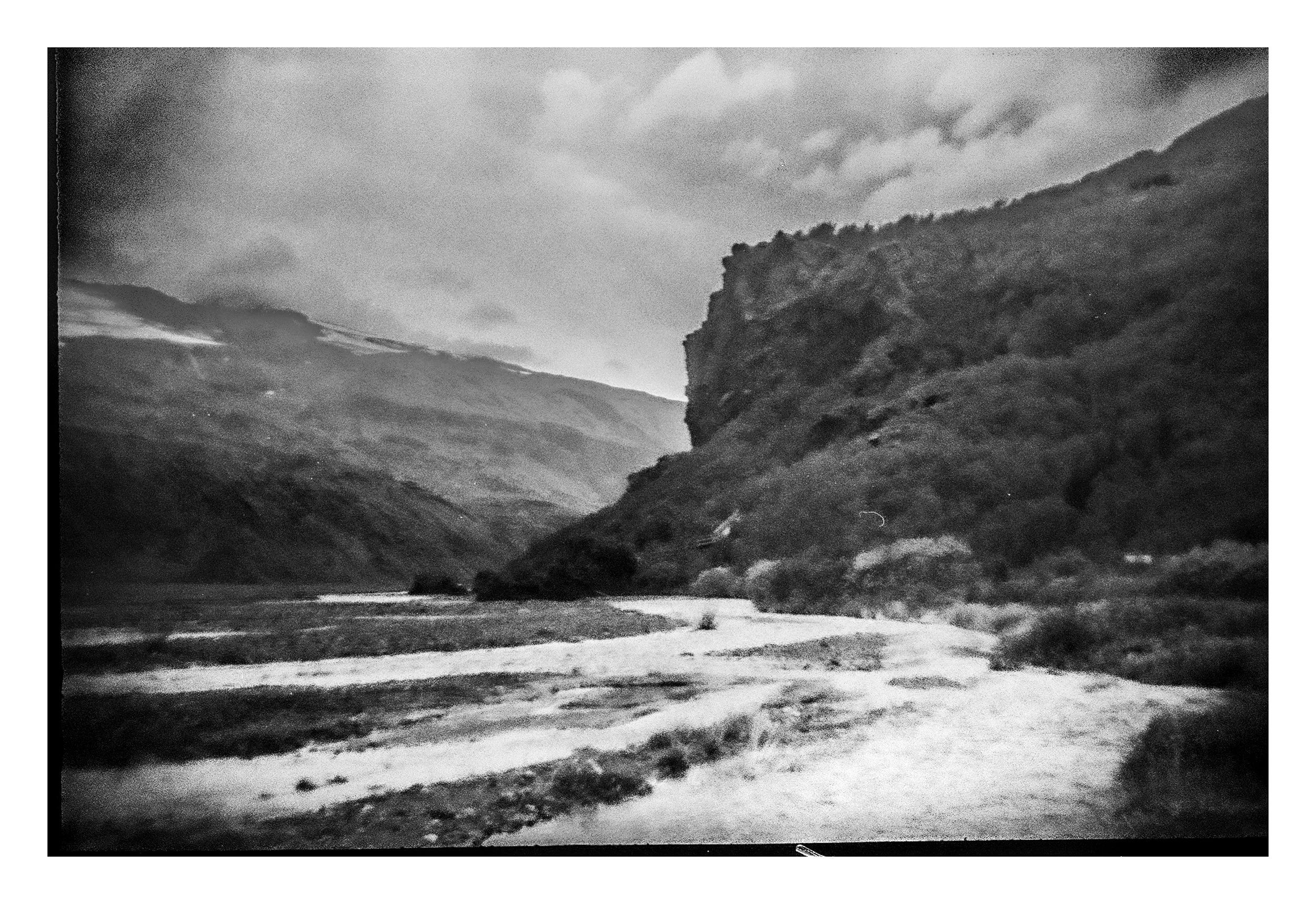
The Geometry of Isolation, No. 11 (Iceland), 2025. Archival Pigment Print, Edition of 15.
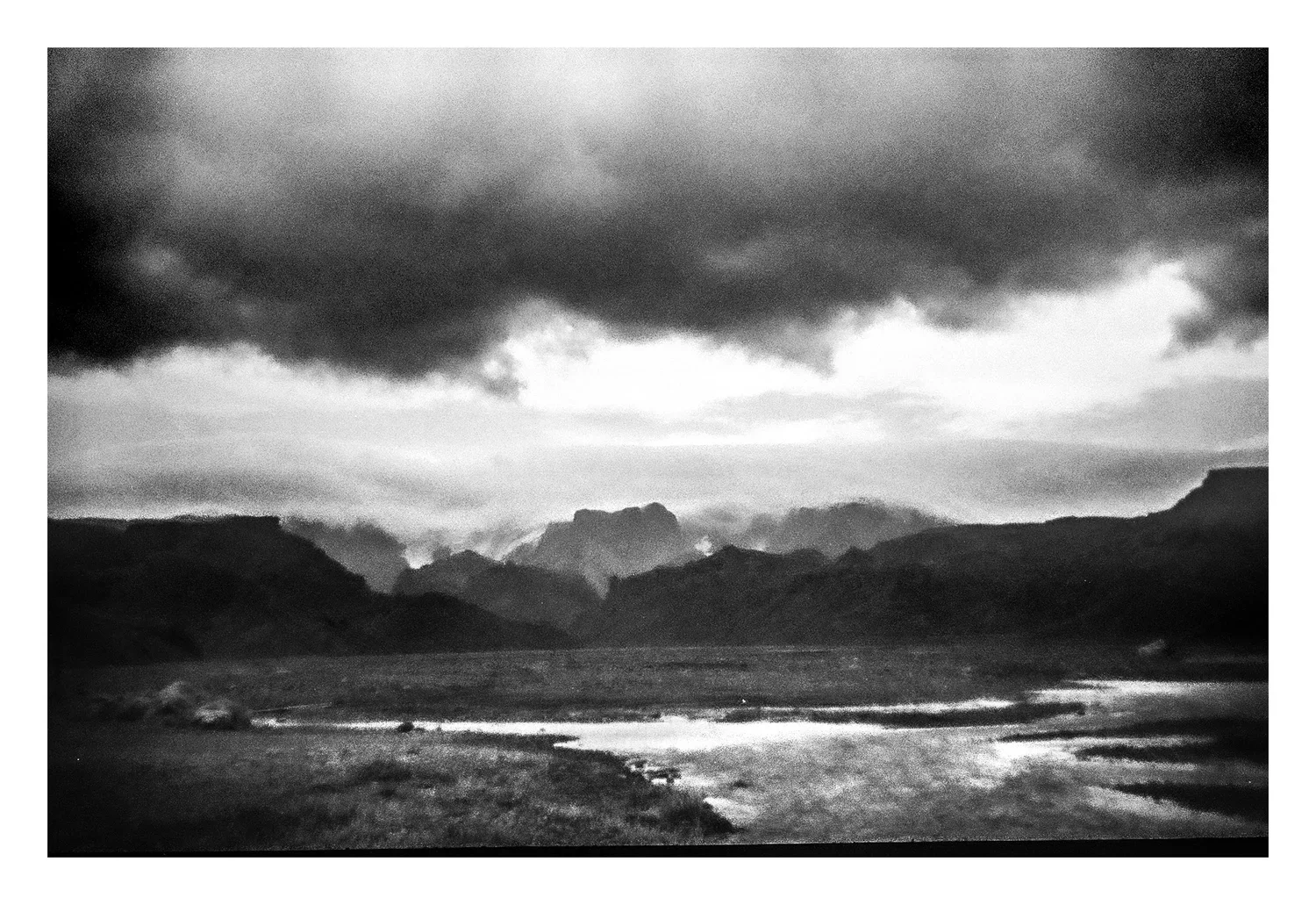
The Geometry of Isolation, No. 12 (Iceland), 2025. Archival Pigment Print, Edition of 15.
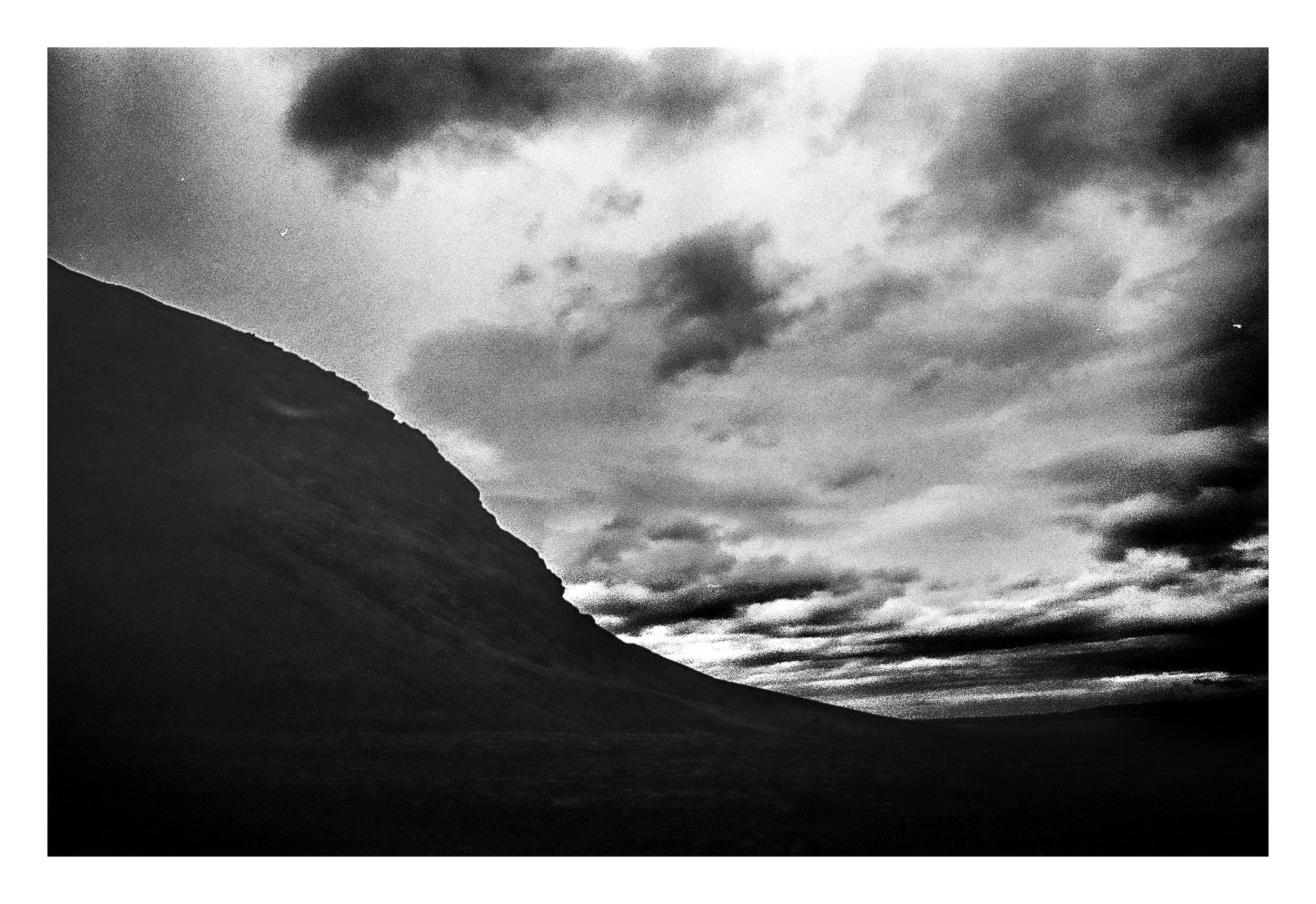
The Geometry of Isolation, No. 13 (Iceland), 2025. Archival Pigment Print, Edition of 15.
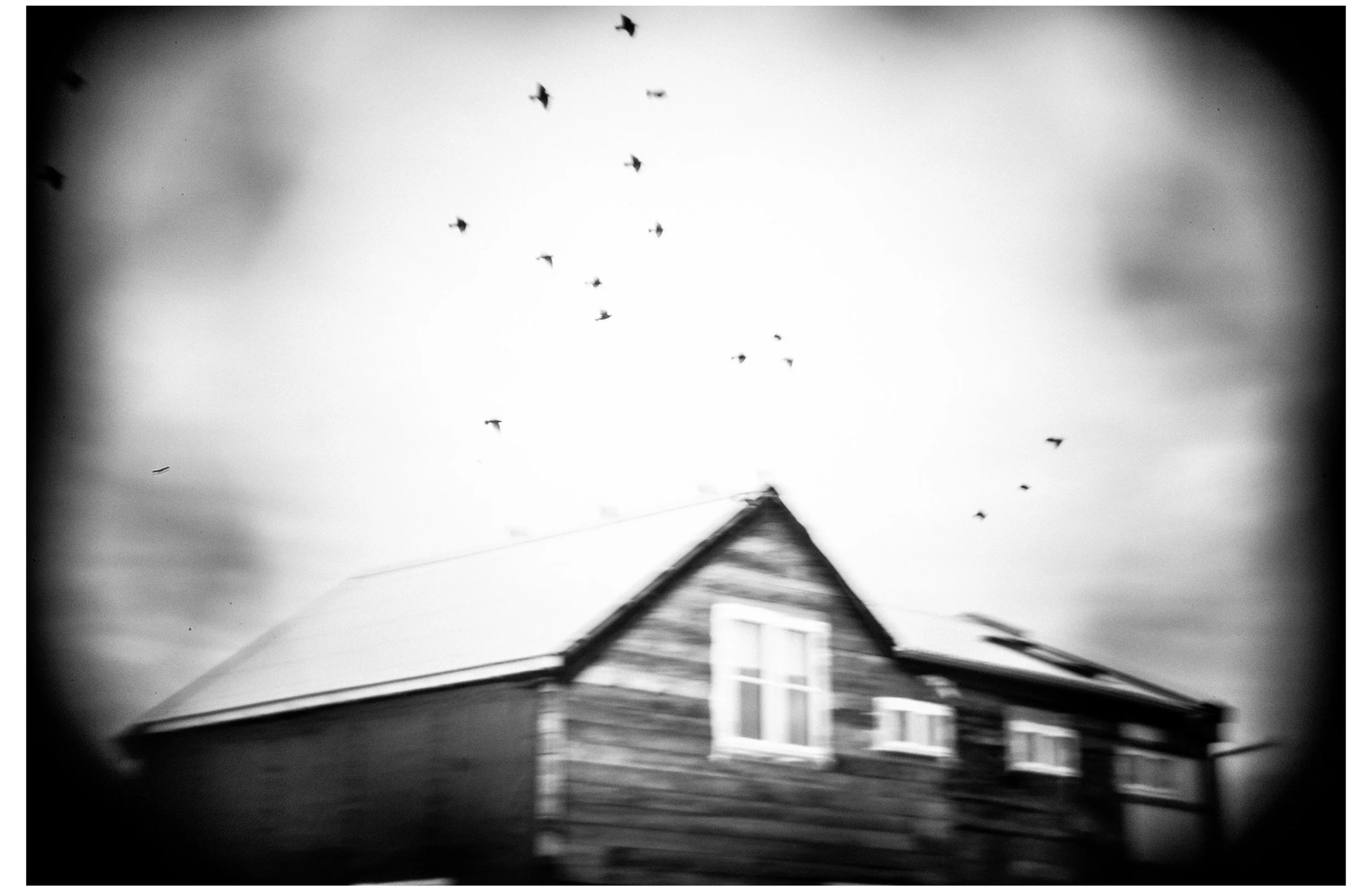
The Geometry of Isolation, No. 14 (Iceland), 2025. Archival Pigment Print, Edition of 15.
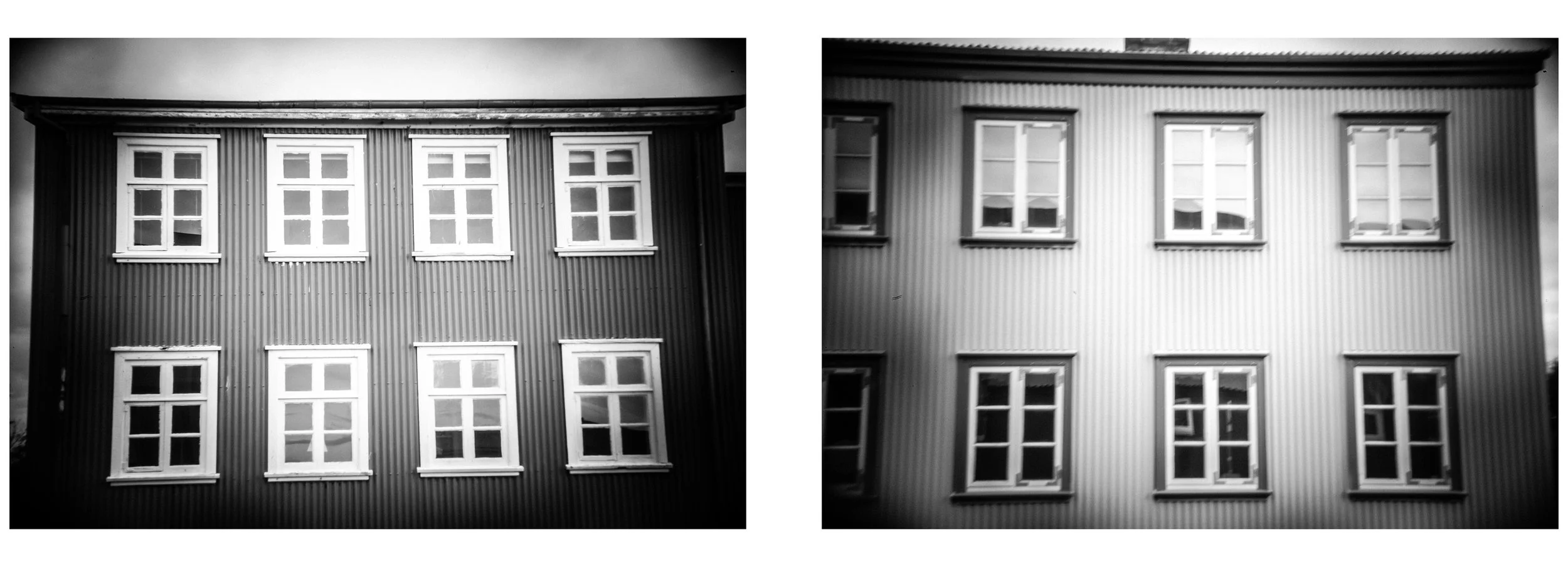
The Geometry of Isolation, No. 15 / 16 (Iceland), 2025. Archival Pigment Print, Edition of 15.
Beneath the restless waves making their way to the lonely coast lies an ocean of immense pressure—a relentless struggle for survival that paradoxically borders on transcendence. The pain and effort required to exist here are so overwhelming that they become a kind of blissful self-awareness. This realization is both intimidating and captivating. I felt driven to turn away from this harsh reality, yearning to merge with the sea itself, despite the paralyzing fear of being completely consumed. Still, I sensed that beyond such hardship and utter solitude, a deep peace awaited me if I could only surrender to the land and the cold wind blowing through every molecule of my bones. Gathering the courage to face the terrain, I decided to turn back toward the land, trusting the solid ground beneath my feet to support me as I moved only as my thoughts’ peaks and valleys allowed. The intense fire of hardship is not endless; it is the fear of eternal struggle that endures until one finds the possibility of happiness. True solitude is an illusion. If the fires of adversity can purify the soul, then we become united and whole. From this vantage shaped by the land’s raw power, I looked out over the ancient mystery: Iceland, a place that reads like noir poetry. From this vantage point—at the top of the world, in a land forged by fire and ice—I looked back at the world, and suddenly all I’ve ever known became a stranger to me.
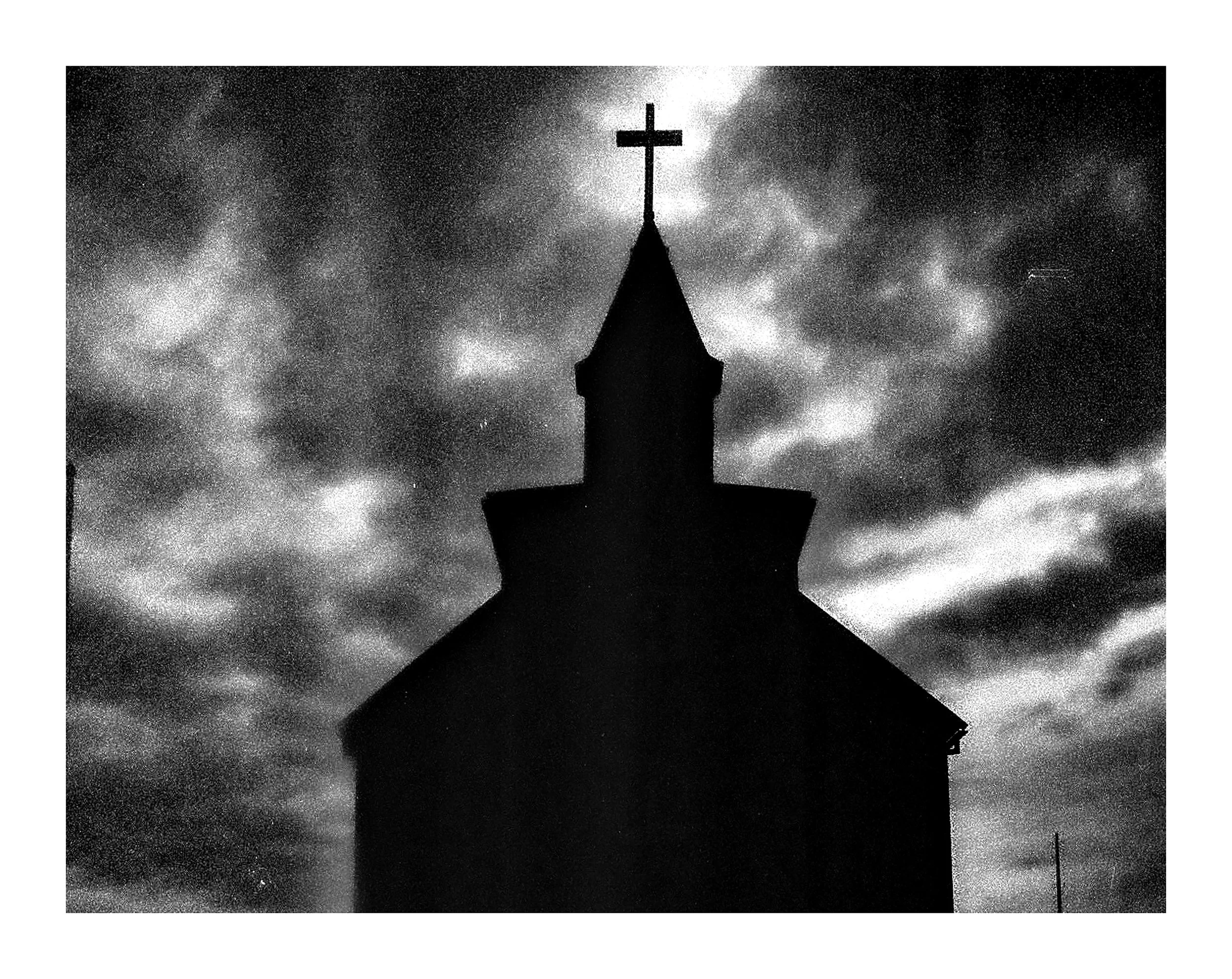
The Geometry of Isolation, No. 17 (Iceland), 2025. Archival Pigment Print, Edition of 15.
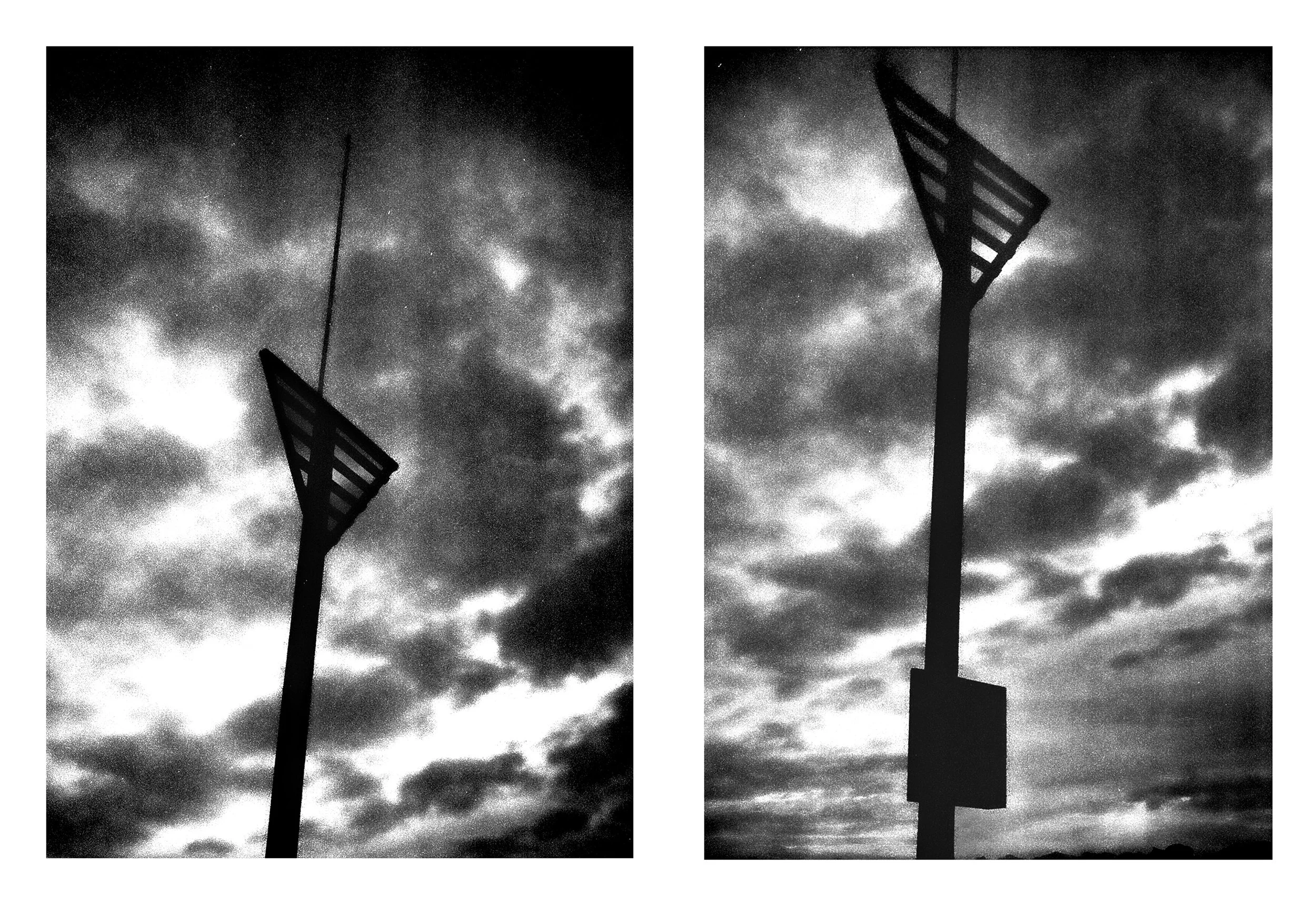
The Geometry of Isolation, No. 18 / 19 (Iceland), 2025. Archival Pigment Print, Edition of 15.
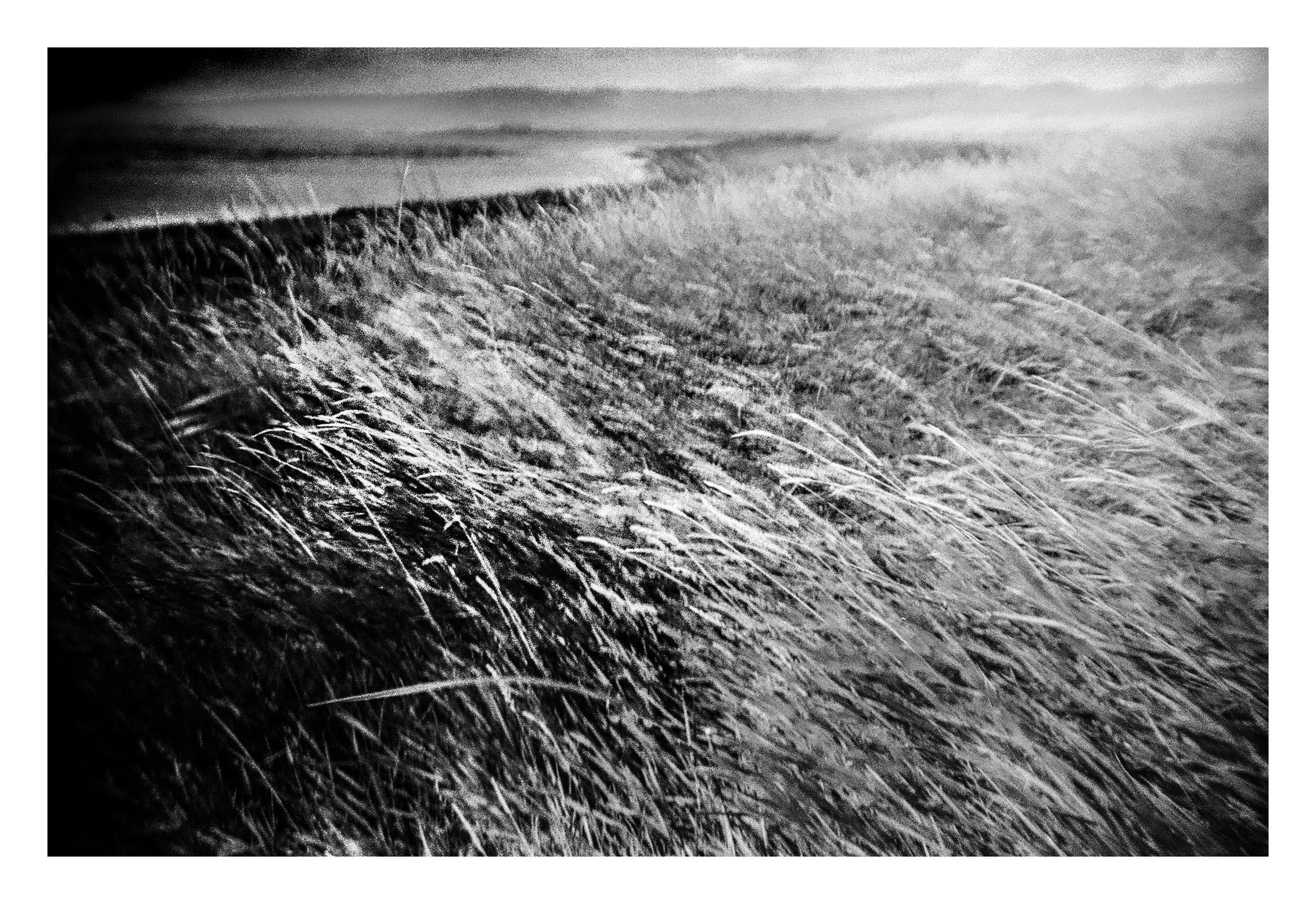
The Geometry of Isolation, No. 20 (Iceland), 2025. Archival Pigment Print, Edition of 15.
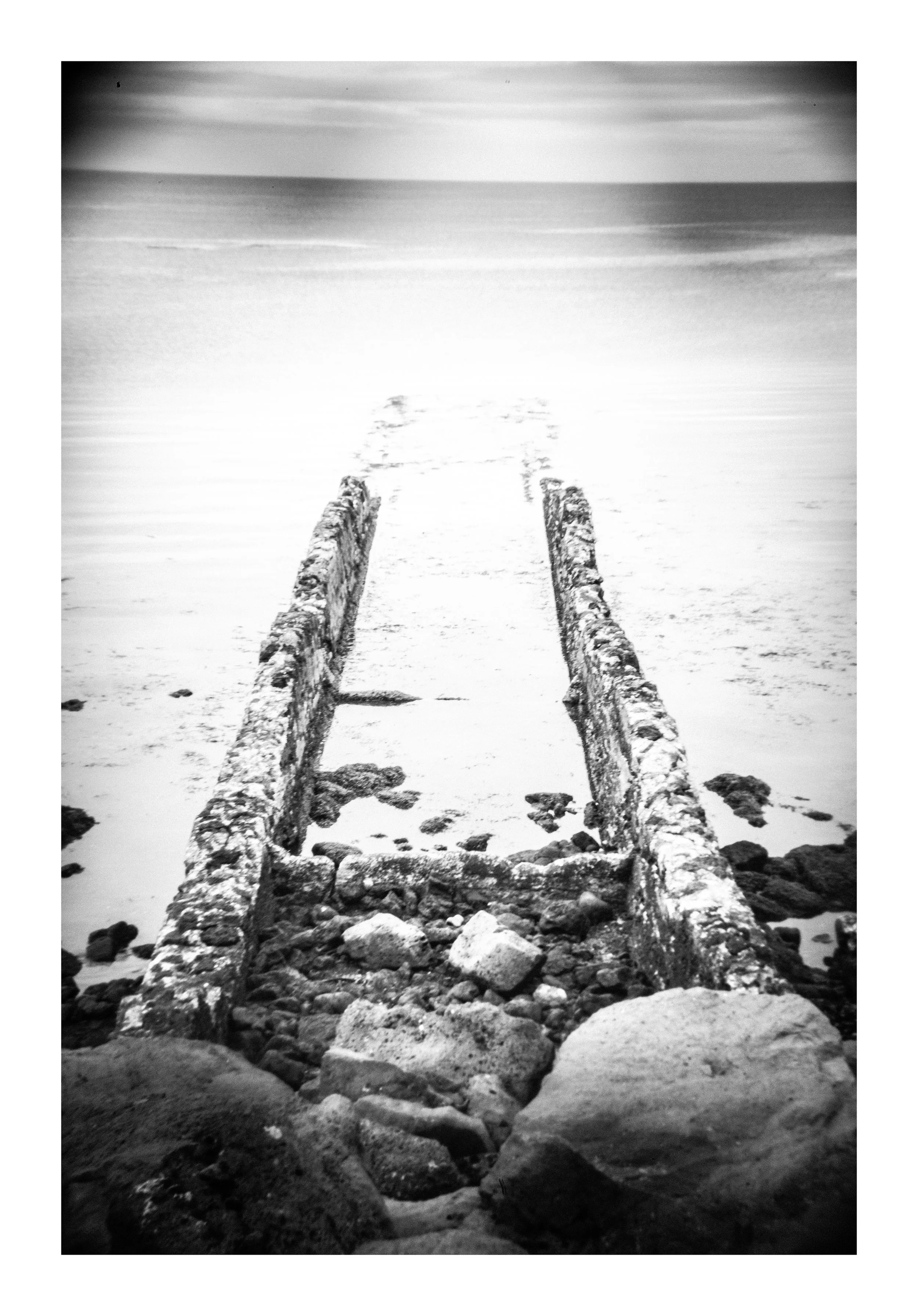
The Geometry of Isolation, No. 21 (Iceland), 2025. Archival Pigment Print, Edition of 15.
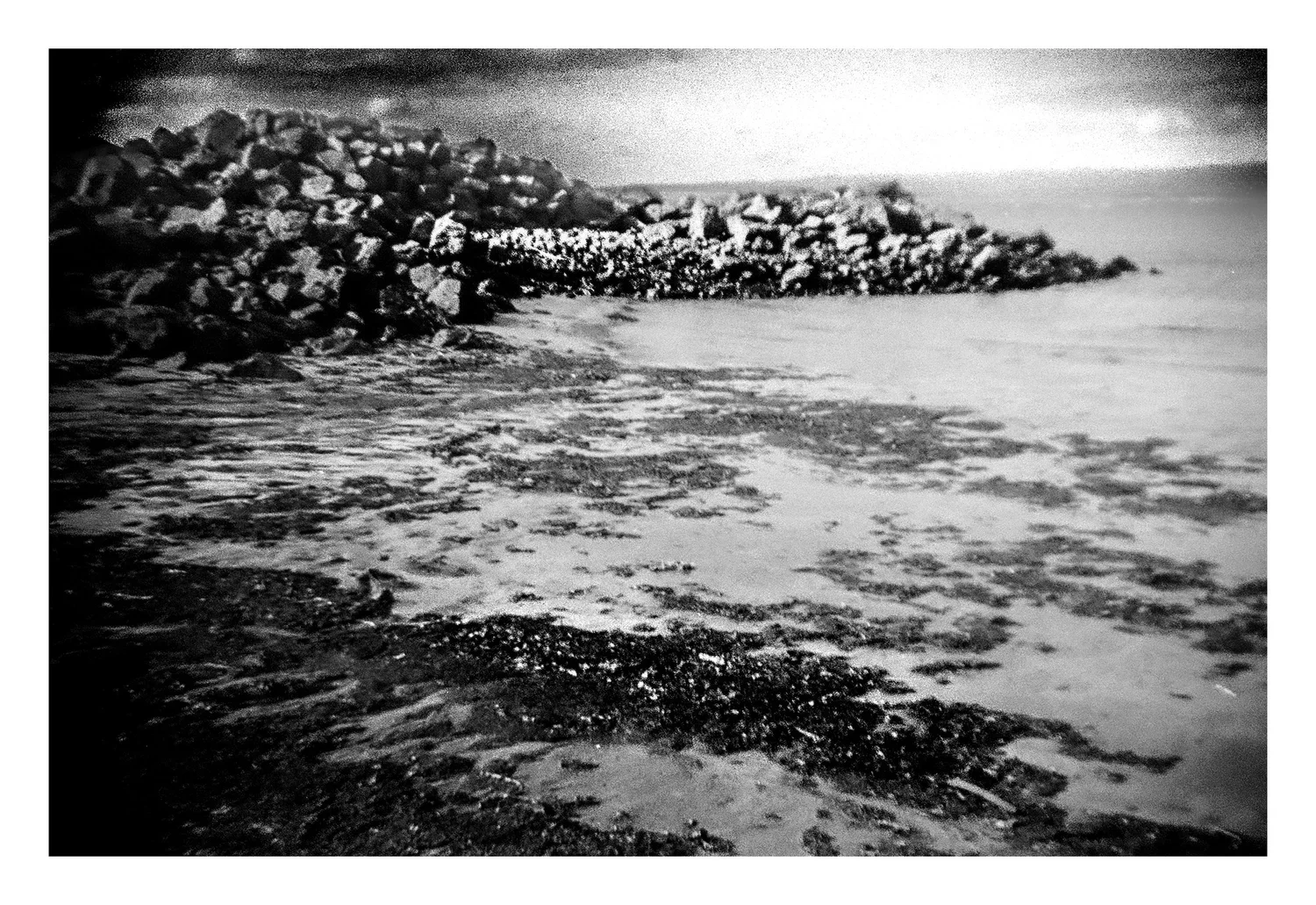
The Geometry of Isolation, No. 22 (Iceland), 2025. Archival Pigment Print, Edition of 15.
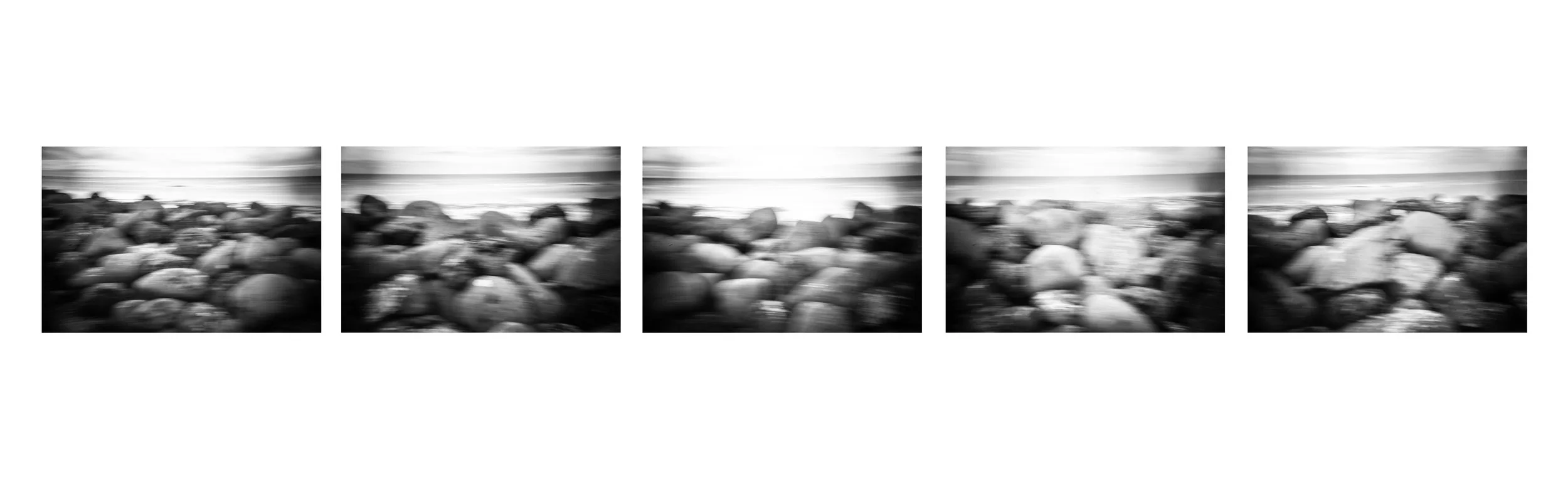
The Geometry of Isolation, No. 24 - 28 (Iceland), 2025. Archival Pigment Print, Edition of 15.
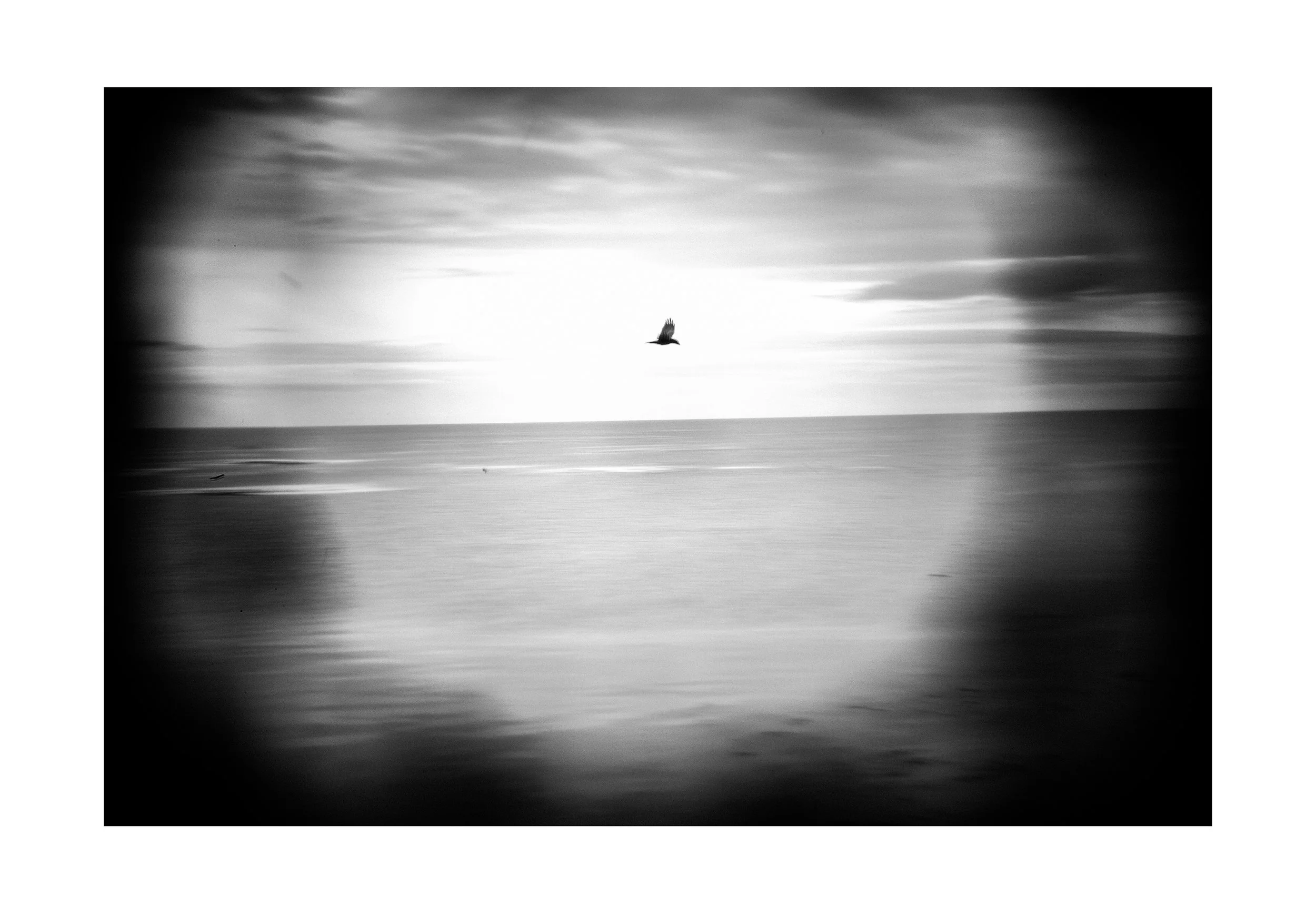
The Geometry of Isolation, No. 23 (Iceland), 2025. Archival Pigment Print, Edition of 15.
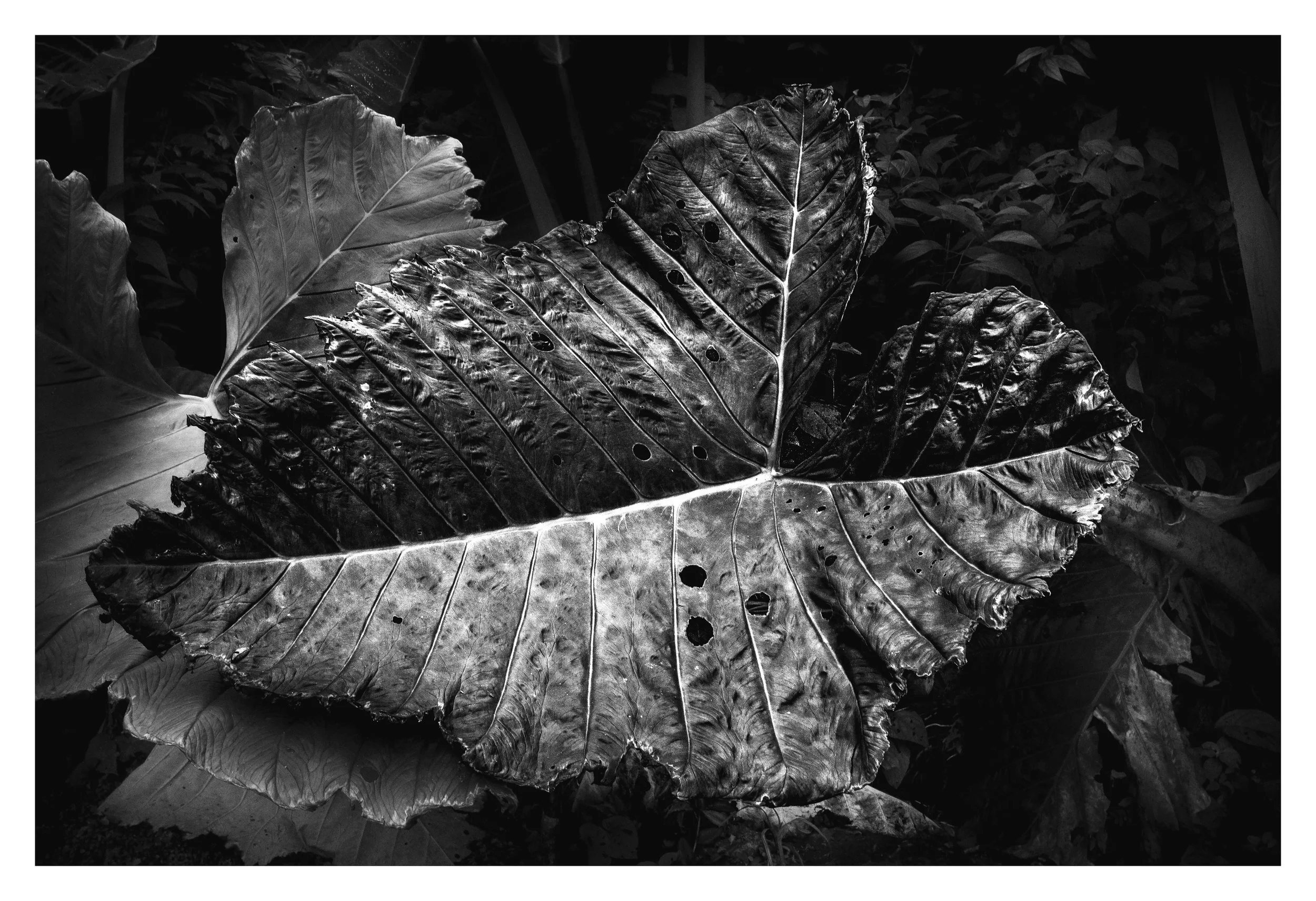
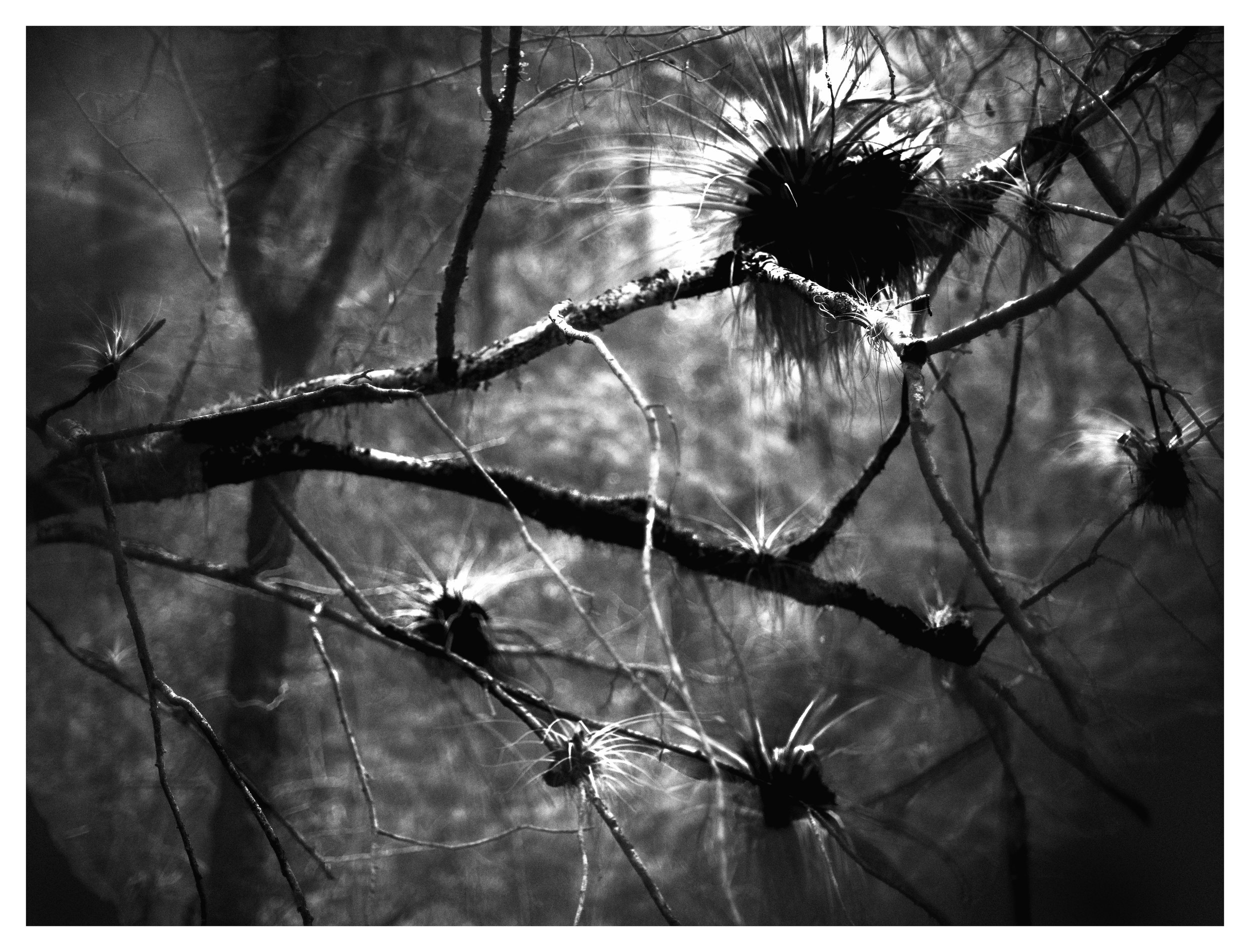
Auguries, No. 01 (Palenque, Chiapas), 2024. Archival Pigment Print, Edition of 15.
Auguries
2025
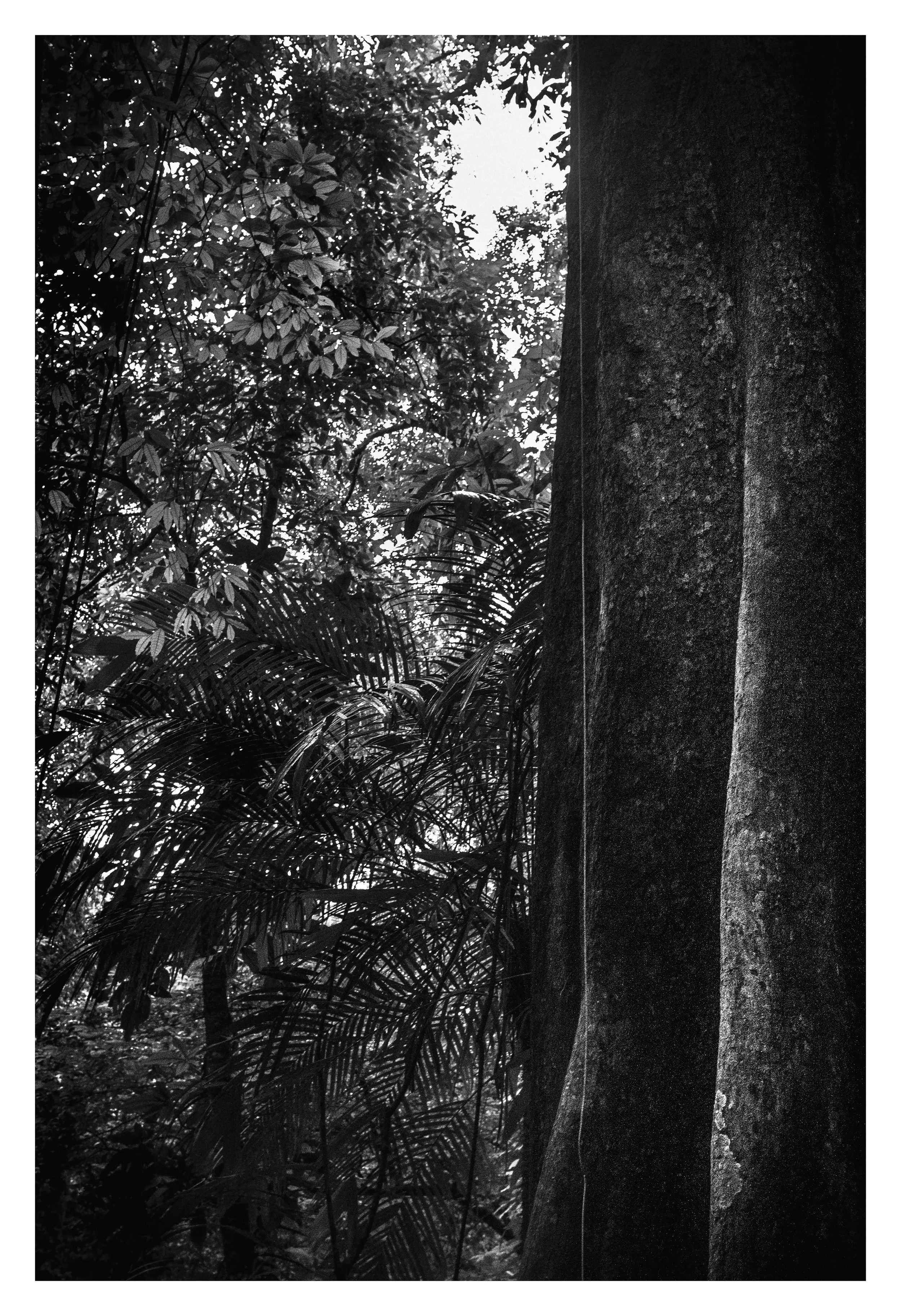
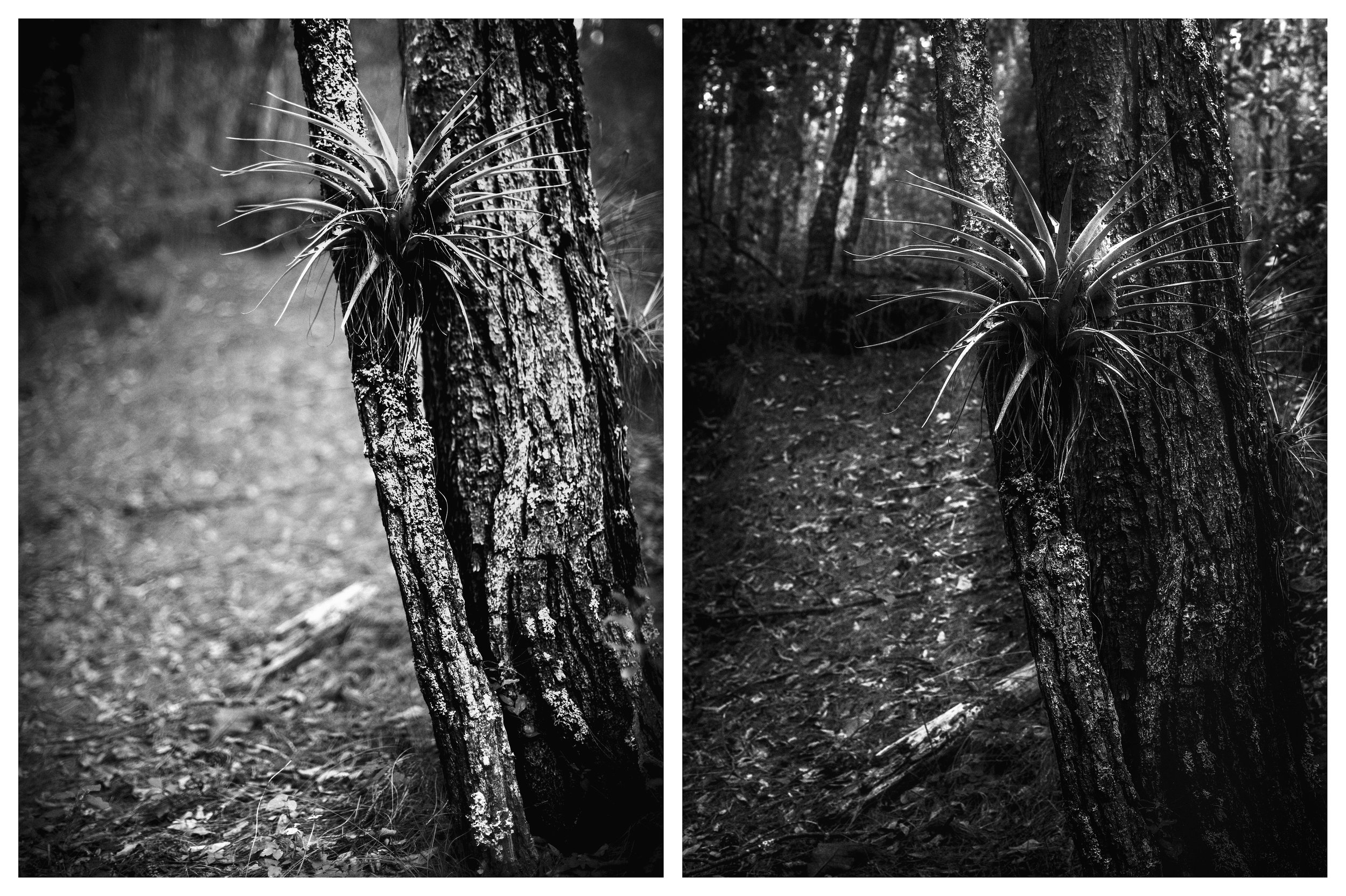
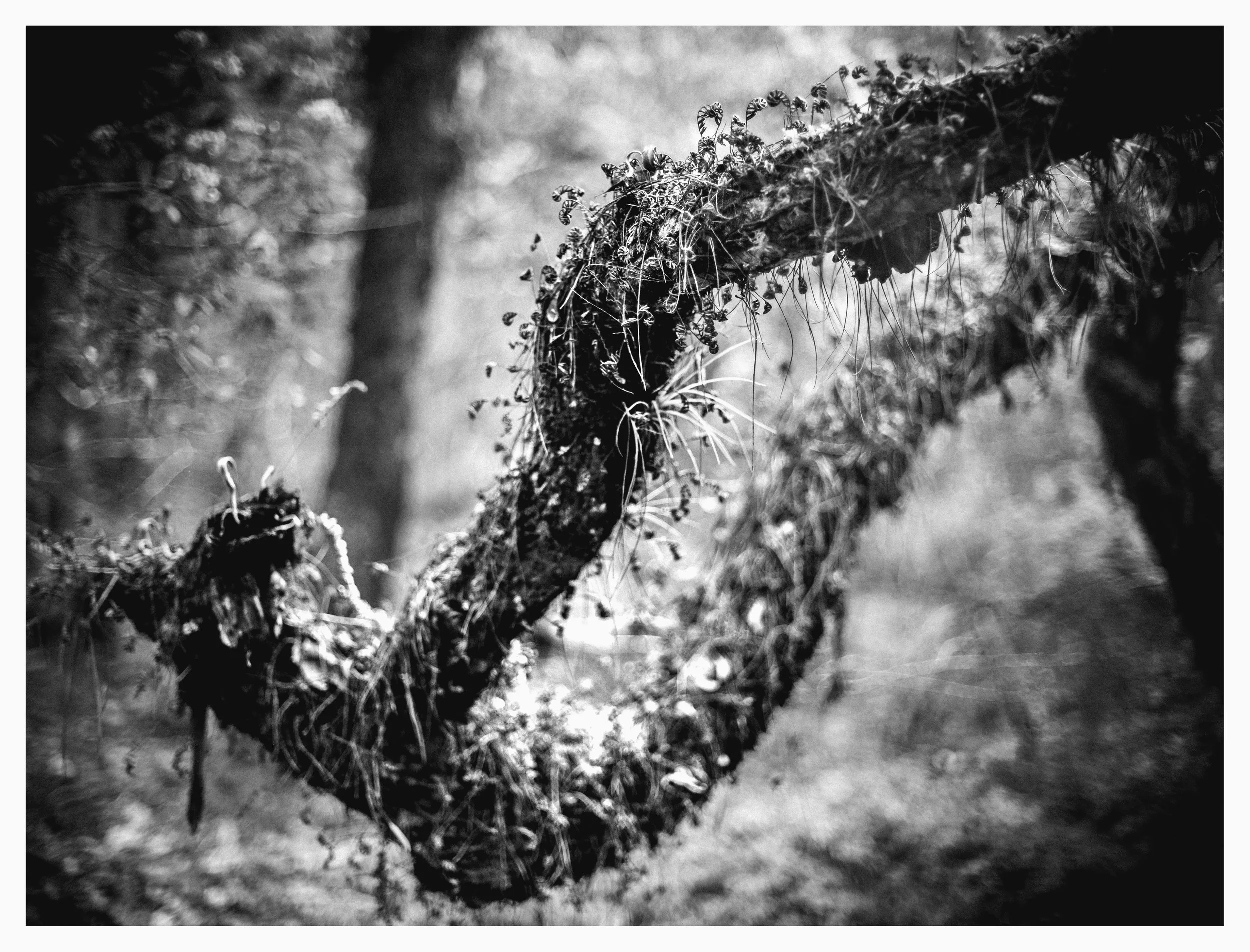
At most, with hope, I aim to capture the profound interconnectedness of the macro and micro, where a single grain of sand acts as a vessel for the infinite, and a common wildflower mirrors the architecture of heaven. My work is an invitation to look beyond the surface of the natural world, recognizing that every creature’s suffering or joy resonates throughout our shared reality. By documenting the fragile balance between the terrestrial and the divine, these images suggest that the eternal is not an abstract concept but something held in the palm of the hand and experienced in the fleeting moment. Ultimately, at least, this series is a study of "Auguries"—small, overlooked moments in nature that reveal the vast, often paradoxical truths of our own, human soul.
Auguries, No. 02 (Central Chiapas), 2025. Archival Pigment Print, Edition of 15.
Auguries, No. 03 (Palenque, Chiapas), 2024. Archival Pigment Print, Edition of 15.
Auguries, No. 04 / 05 (Central Chiapas), 2025. Archival Pigment Print, Edition of 15.
Auguries, No. 06 (Central Chiapas), 2025. Archival Pigment Print, Edition of 15.
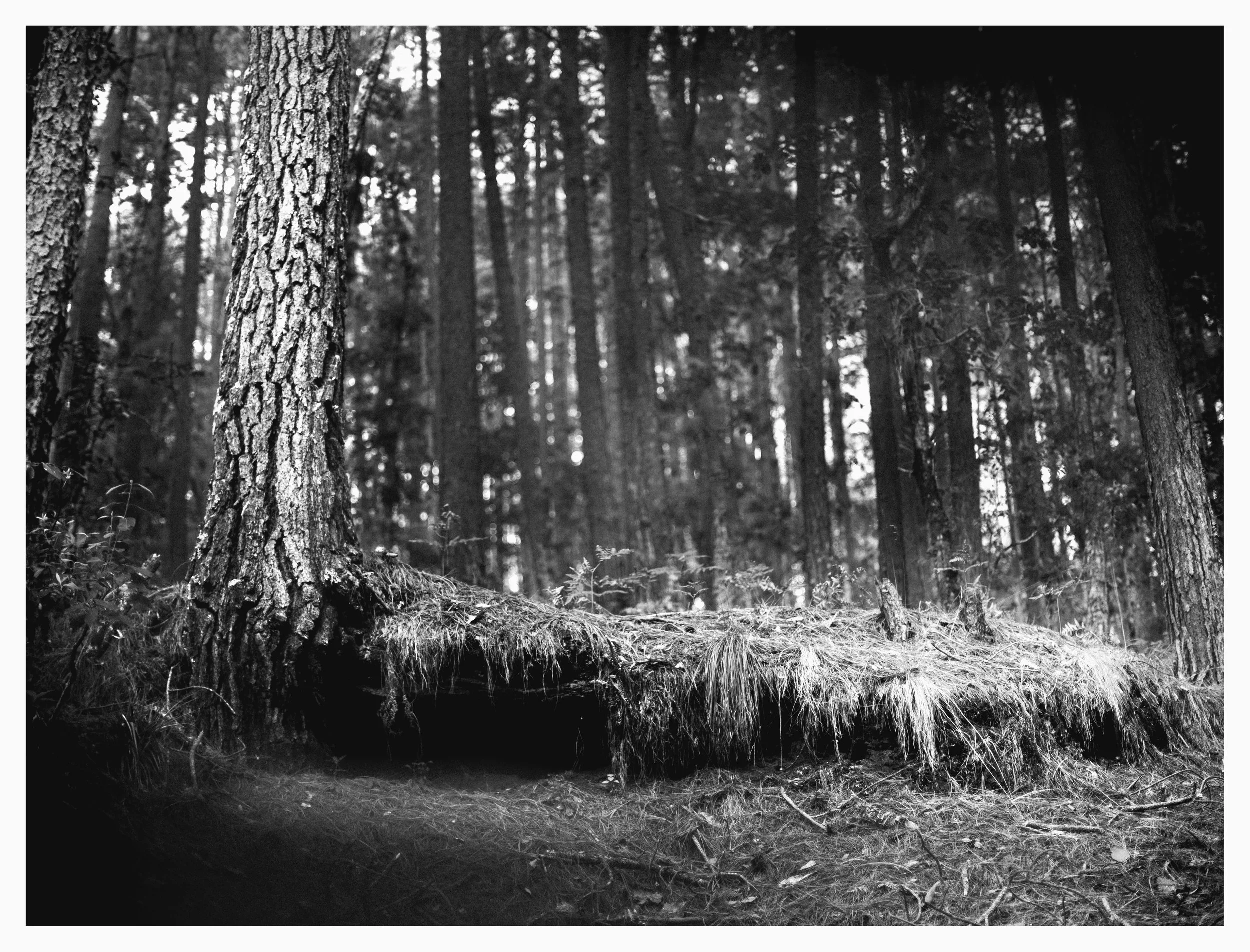
Auguries, No. 07 (Central Chiapas), 2025. Archival Pigment Print, Edition of 15.
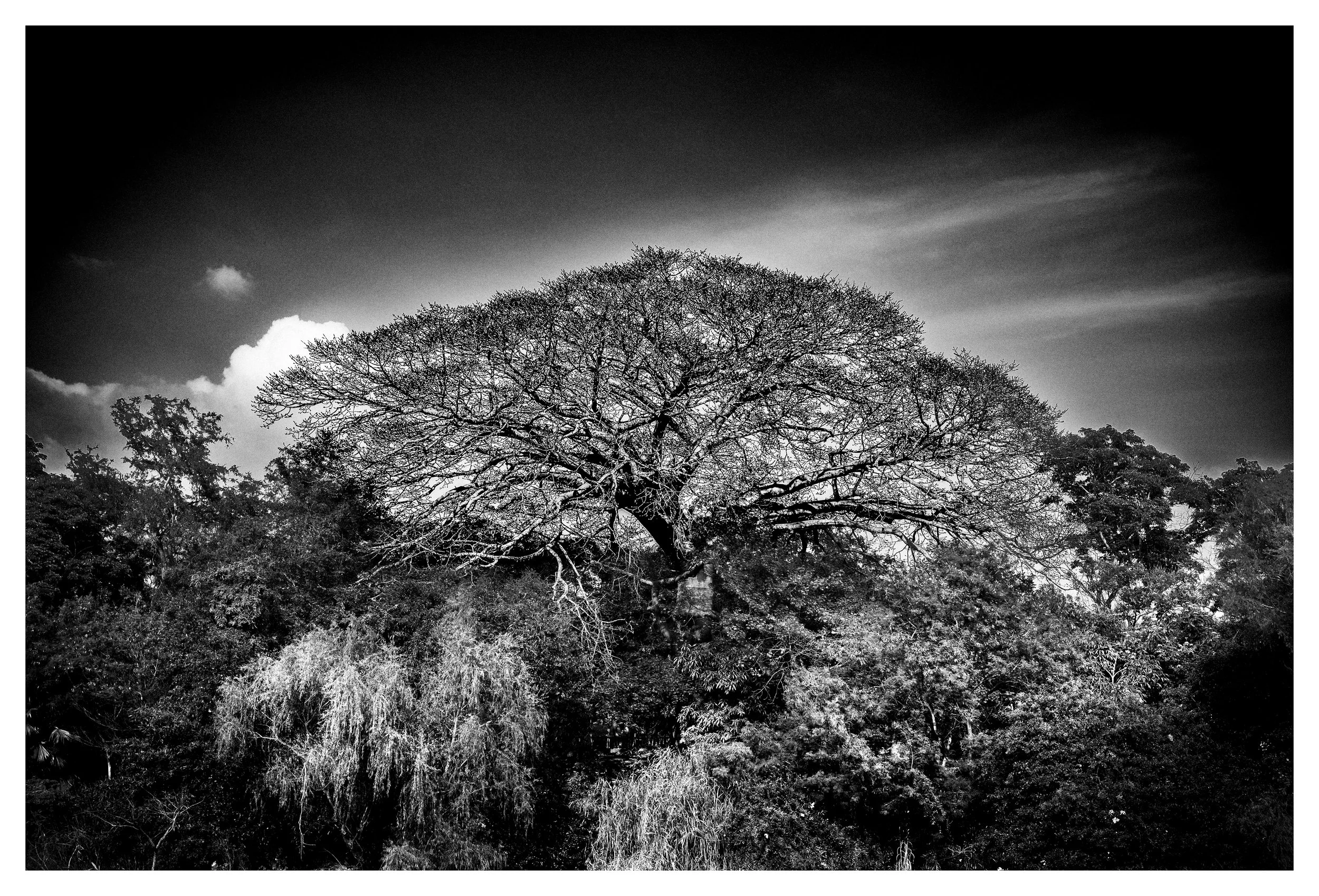
Auguries, No. 08 (Central Chiapas), 2025. Archival Pigment Print, Edition of 15.
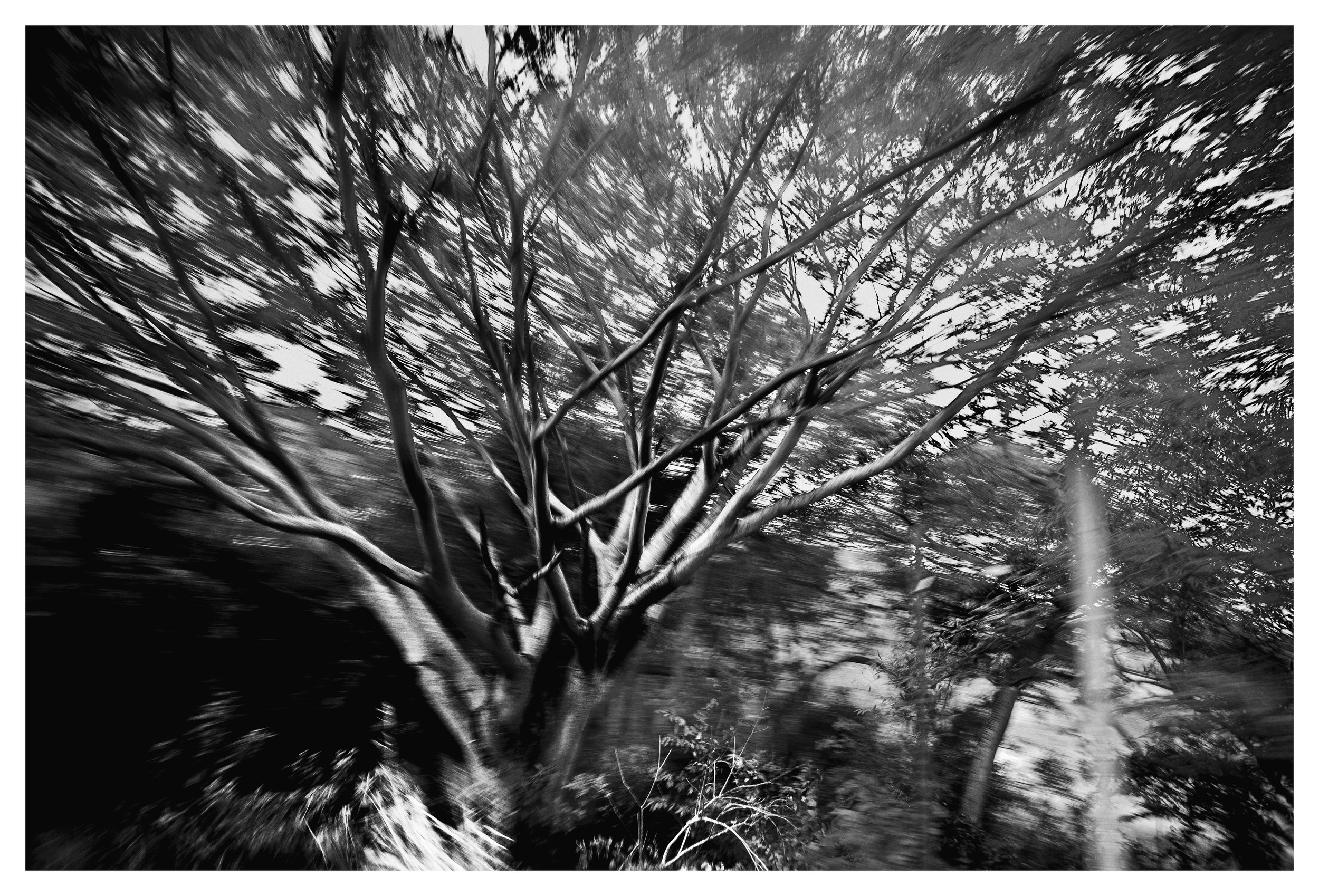
Auguries, No. 09 (Central Chiapas), 2025. Archival Pigment Print, Edition of 15.
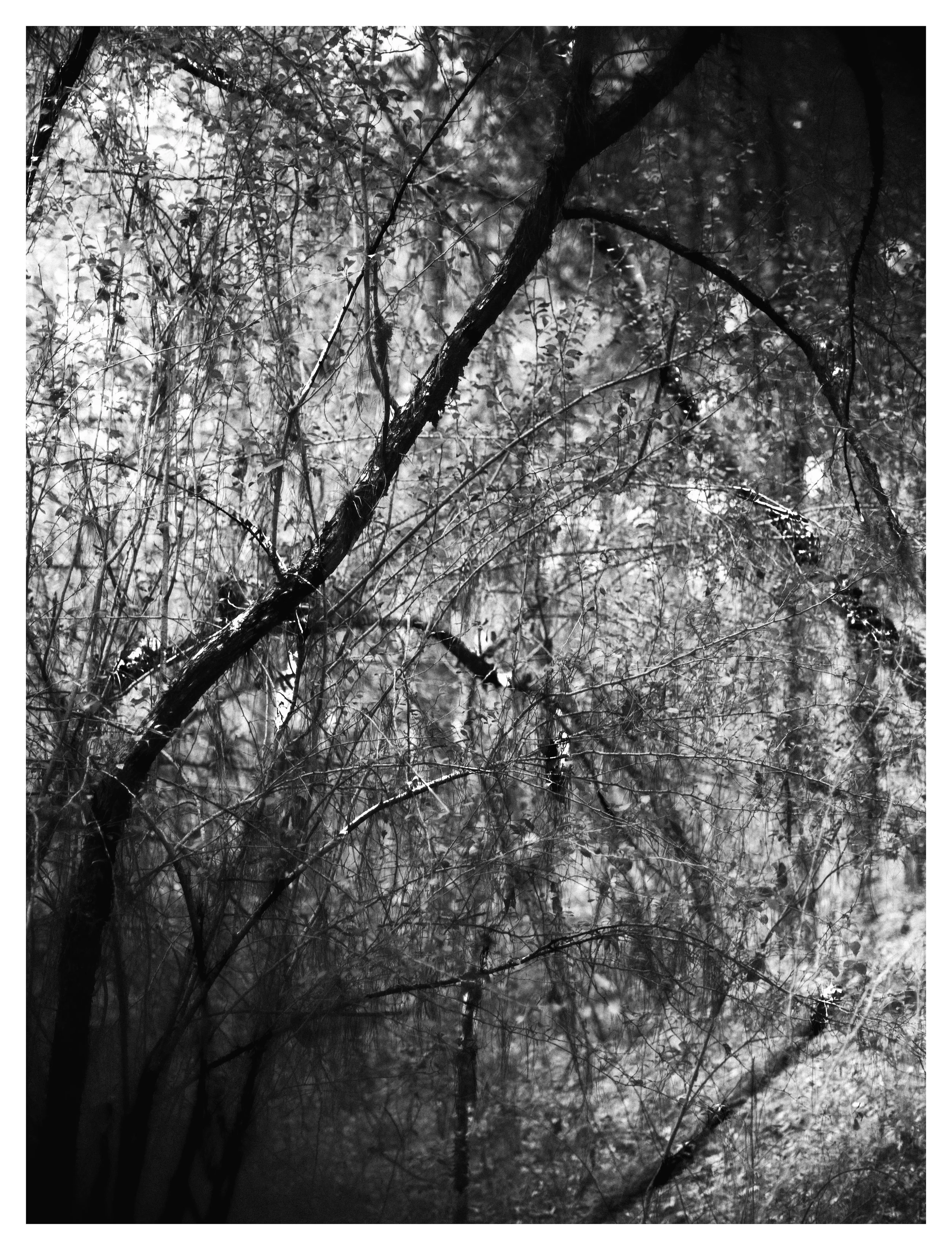
Auguries, No. 10 (Central Chiapas), 2025. Archival Pigment Print, Edition of 15.
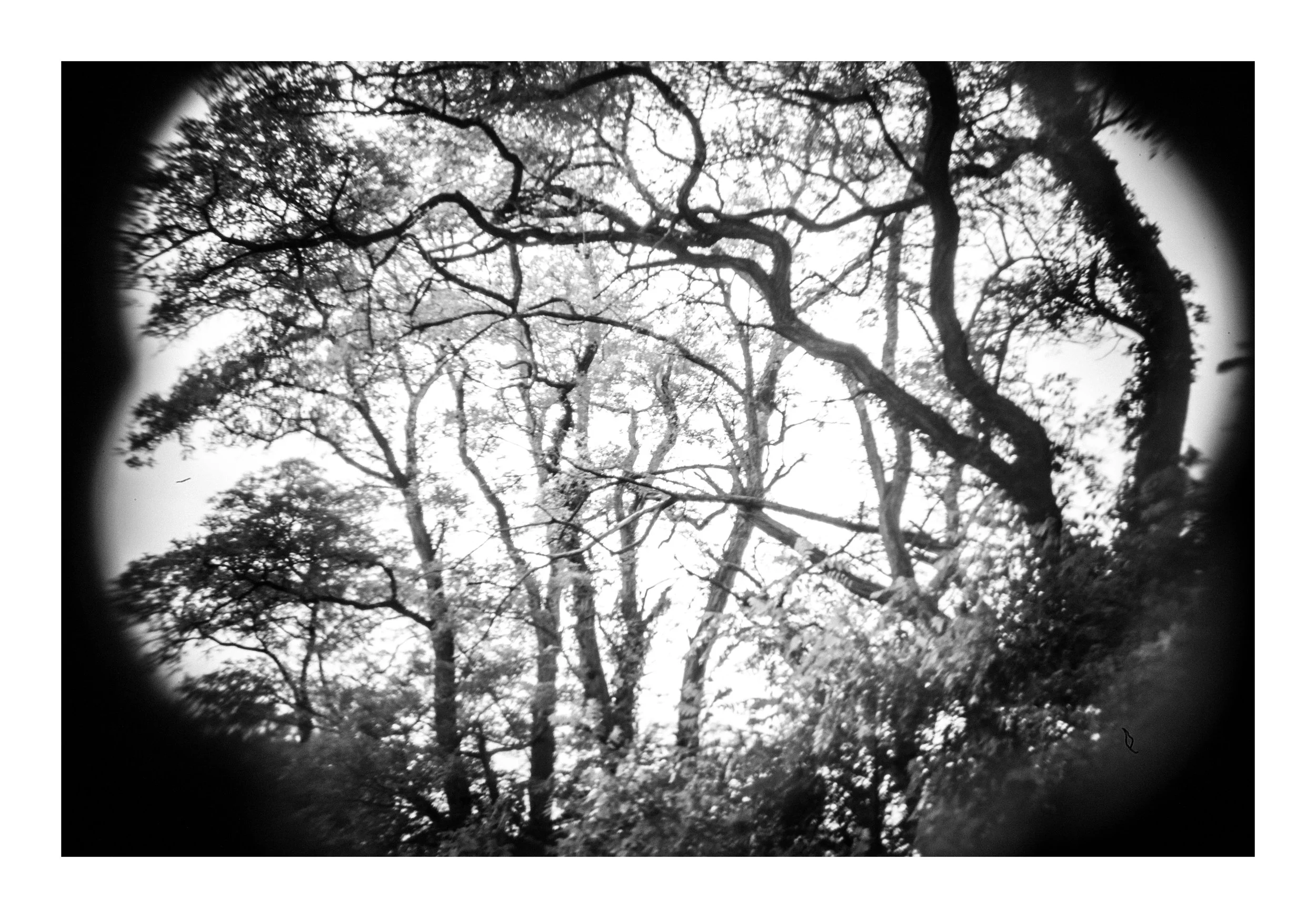
Auguries, No. 12 (Central Illinois), 2025. Archival Pigment Print, Edition of 15.
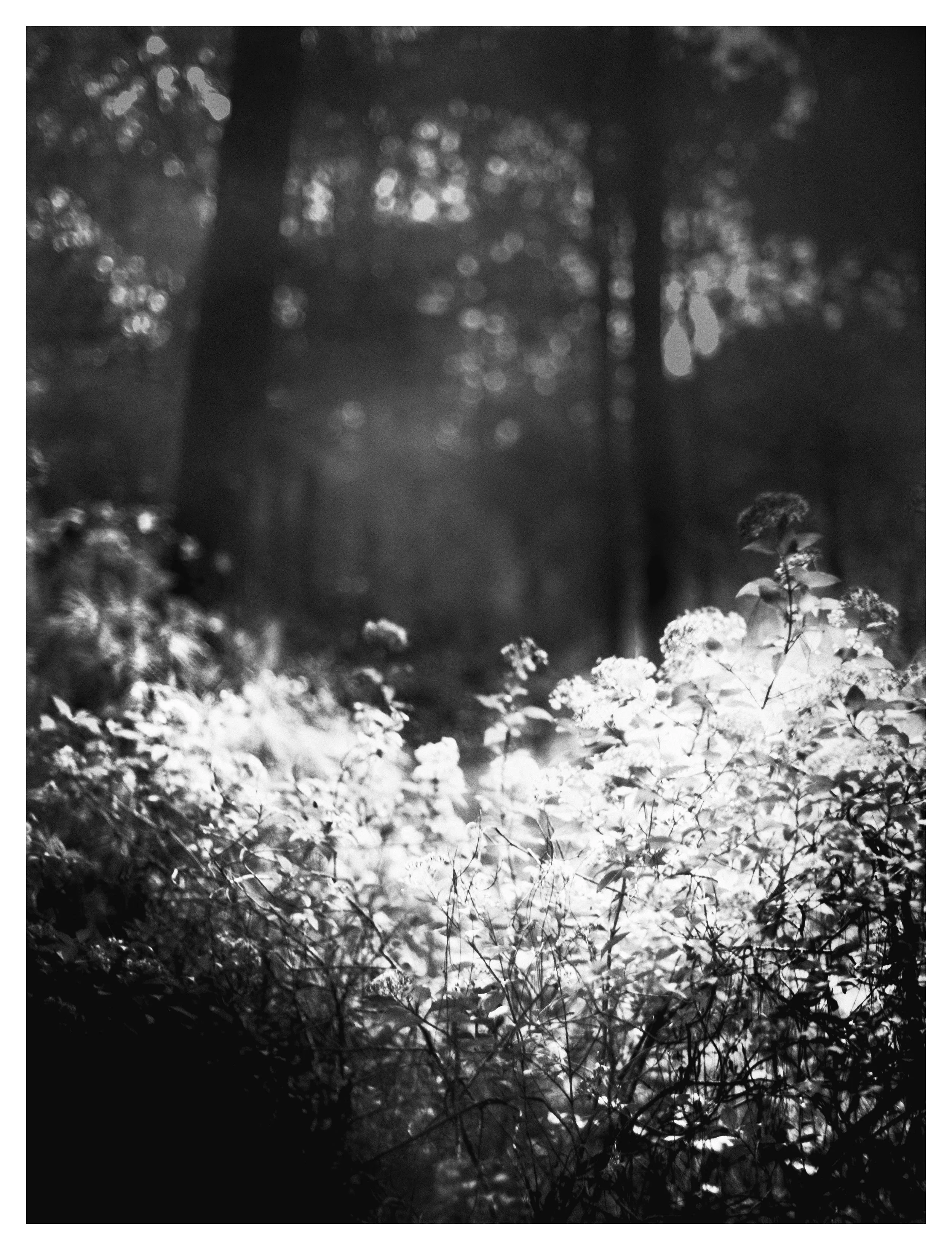
Auguries, No. 11 (Central Chiapas), 2025. Archival Pigment Print, Edition of 15.
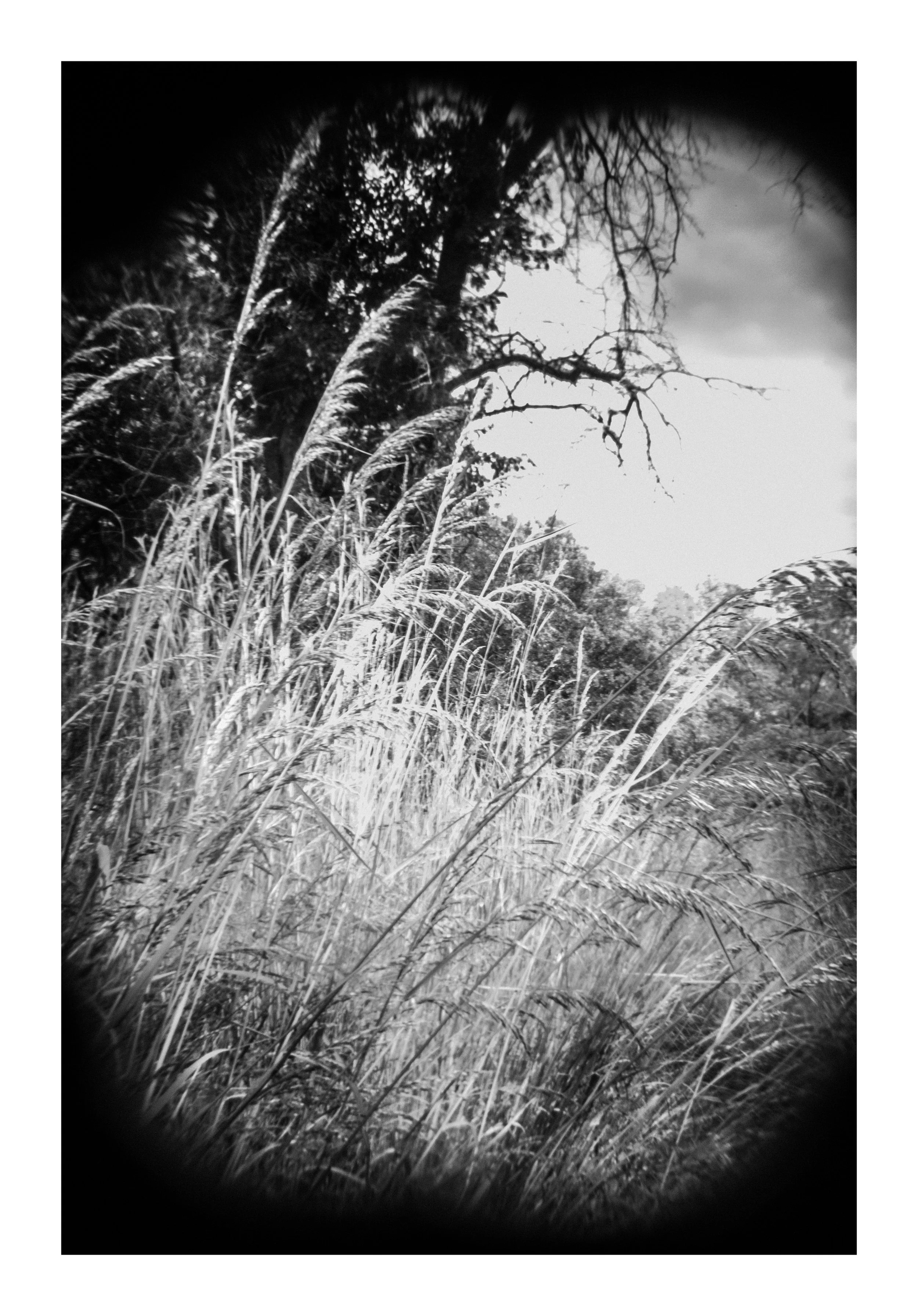
Auguries, No. 13 (Central Illinois), 2025. Archival Pigment Print, Edition of 15.
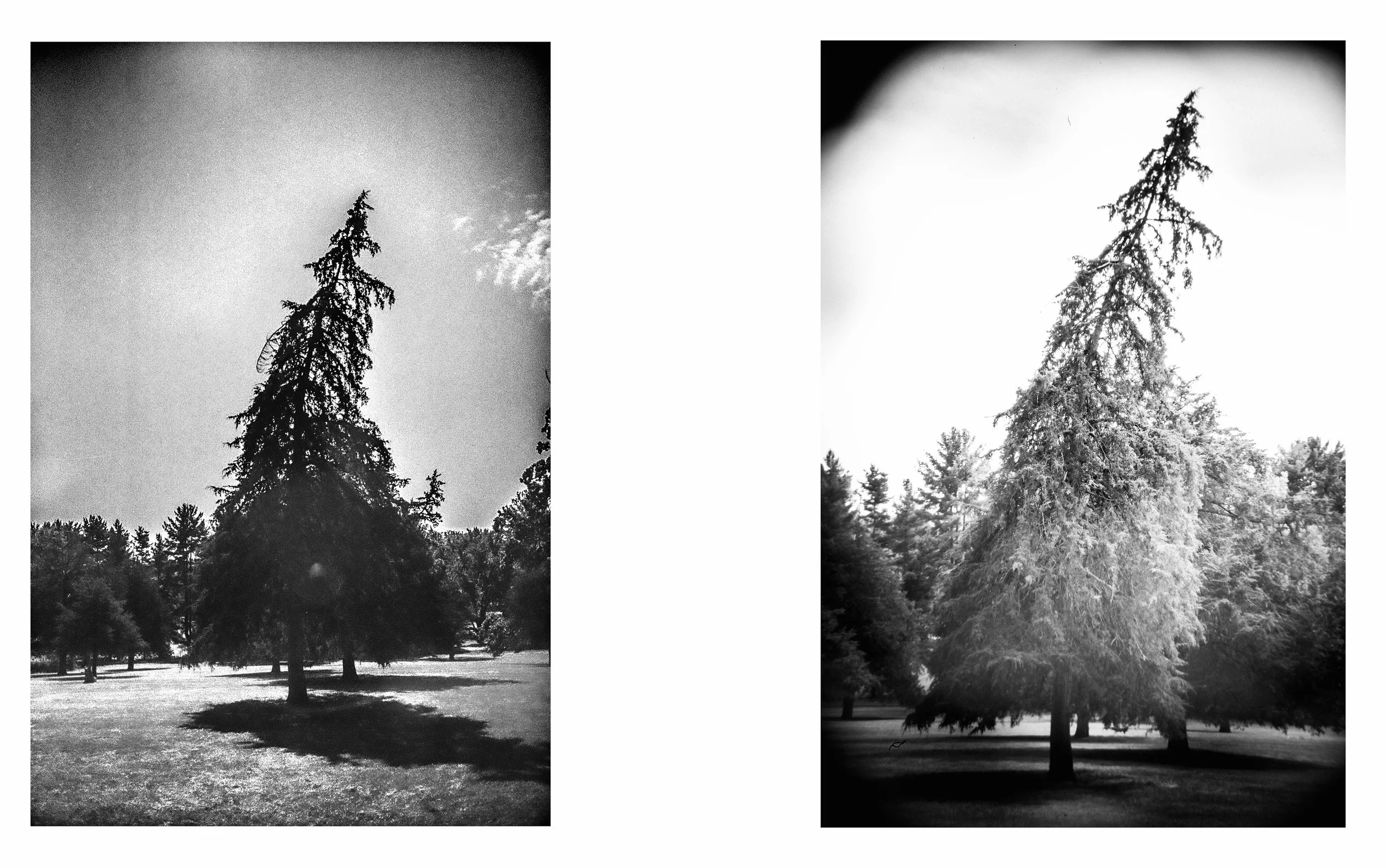
Auguries, No. 14 / 15 (Central Illinois), 2025. Archival Pigment Print, Edition of 15.
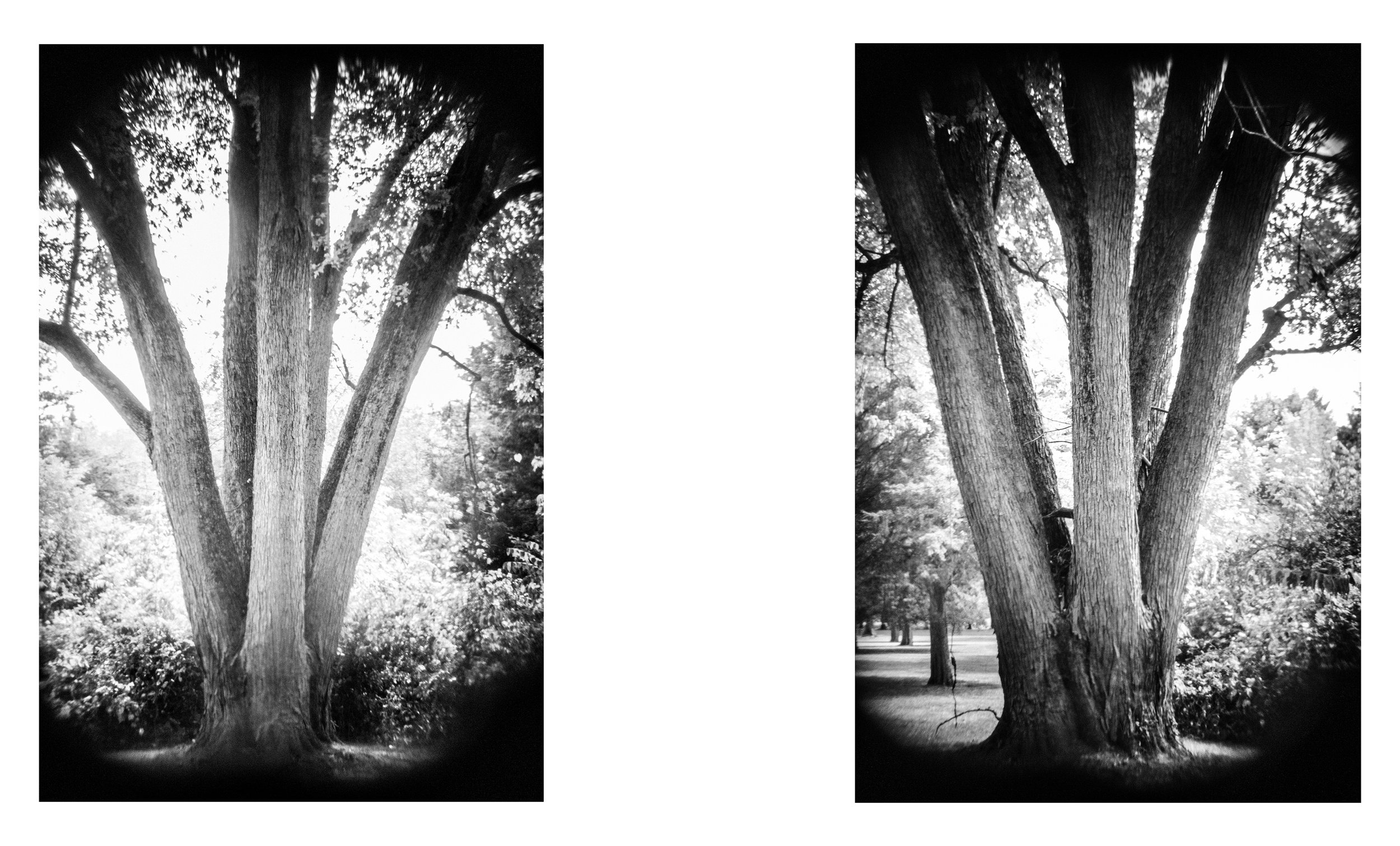
Auguries, No. 16 / 17 (Central Illinois), 2025. Archival Pigment Print, Edition of 15.
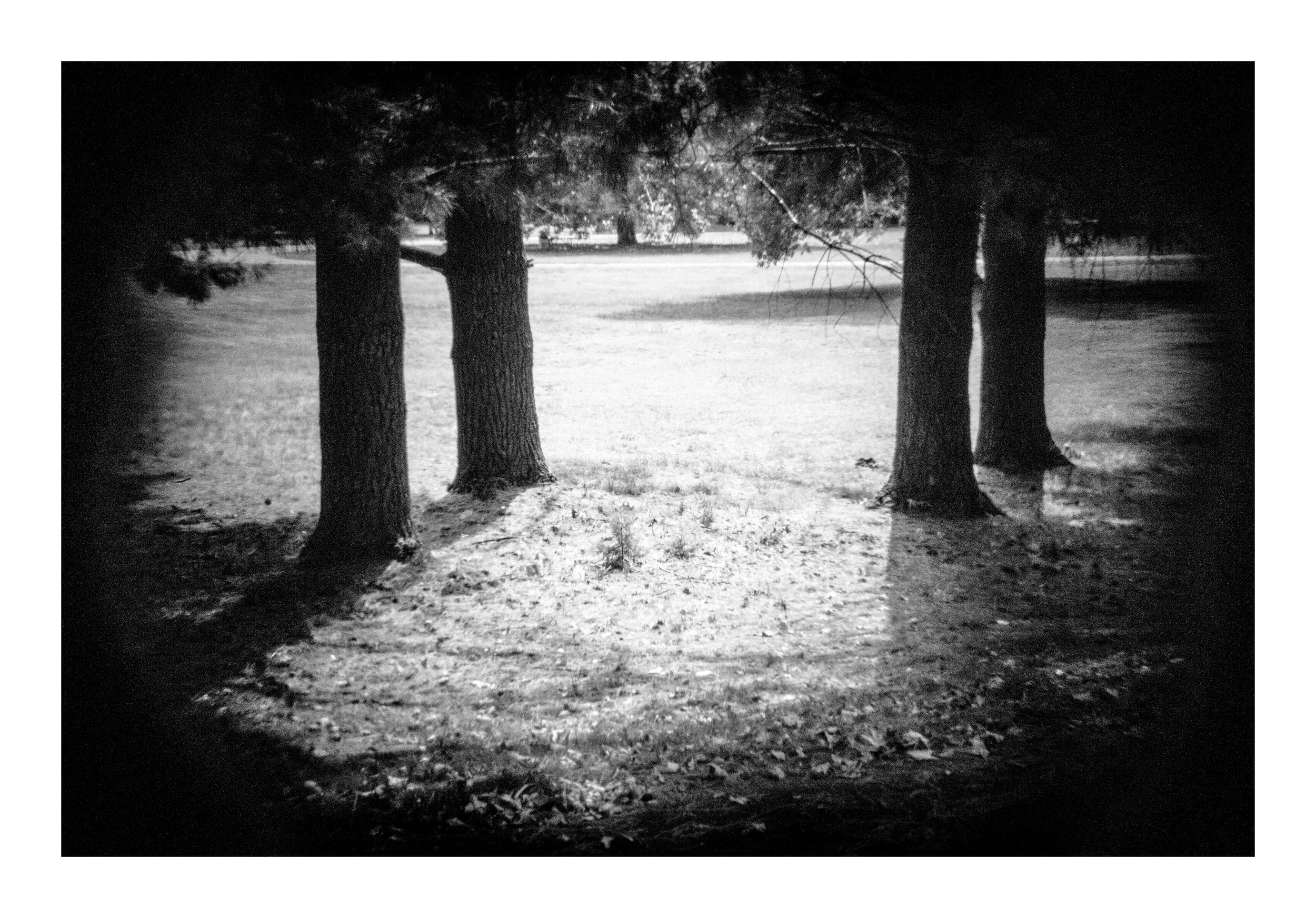
Auguries, No. 18 (Central Illinois), 2025. Archival Pigment Print, Edition of 15.
The tree which moves some to tears of joy is in the eyes of others only a green thing which stands in the way. Some see nature all ridicule and deformity, and by these I shall not regulate my proportions; and some scarce see nature at all. But to the eyes of the man of imagination, nature is imagination itself. As a man is, so he sees.
– William Blake
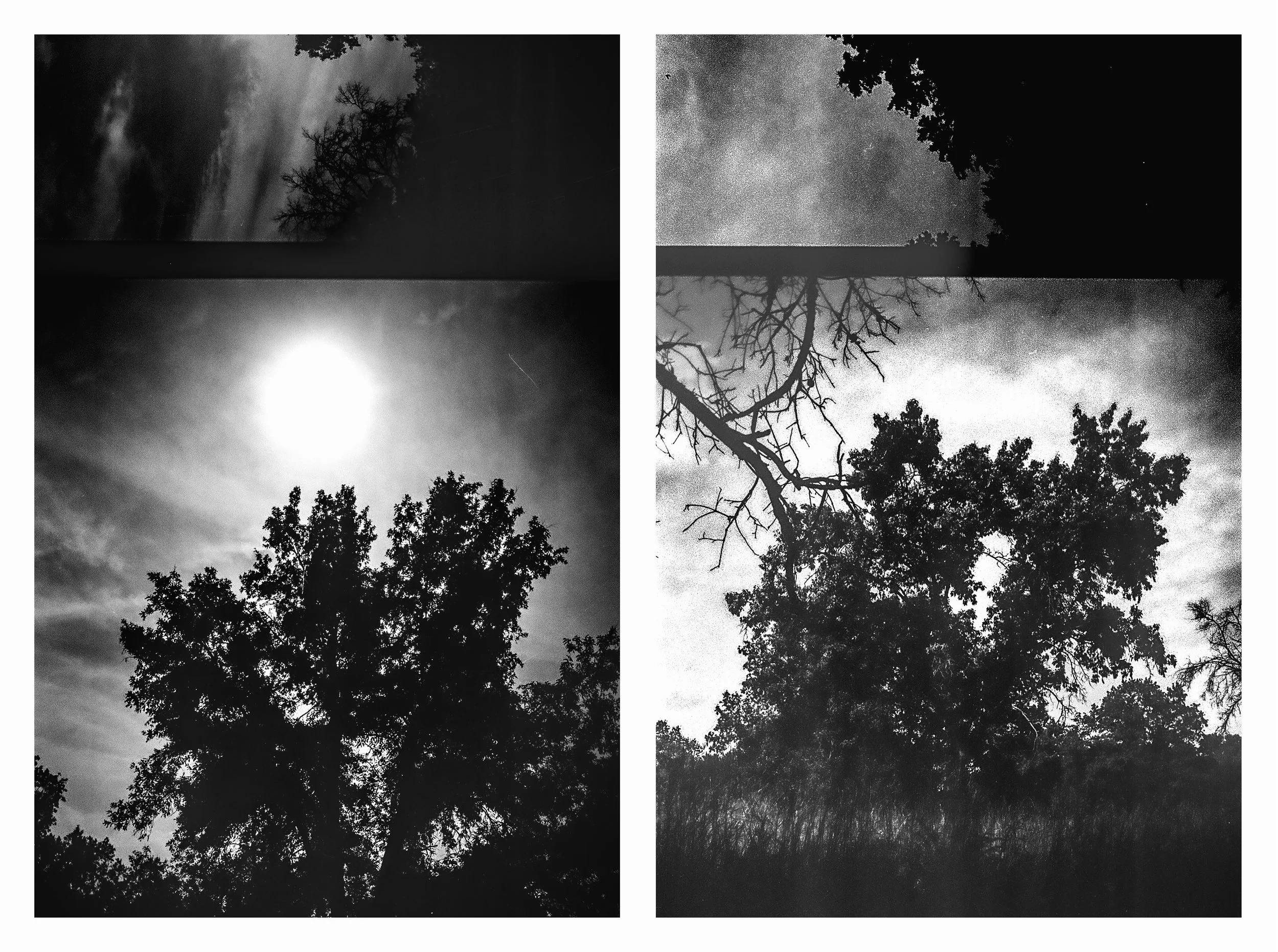
Auguries, No. 19 / 20 (Central Illinois), 2025. Archival Pigment Print, Edition of 15.
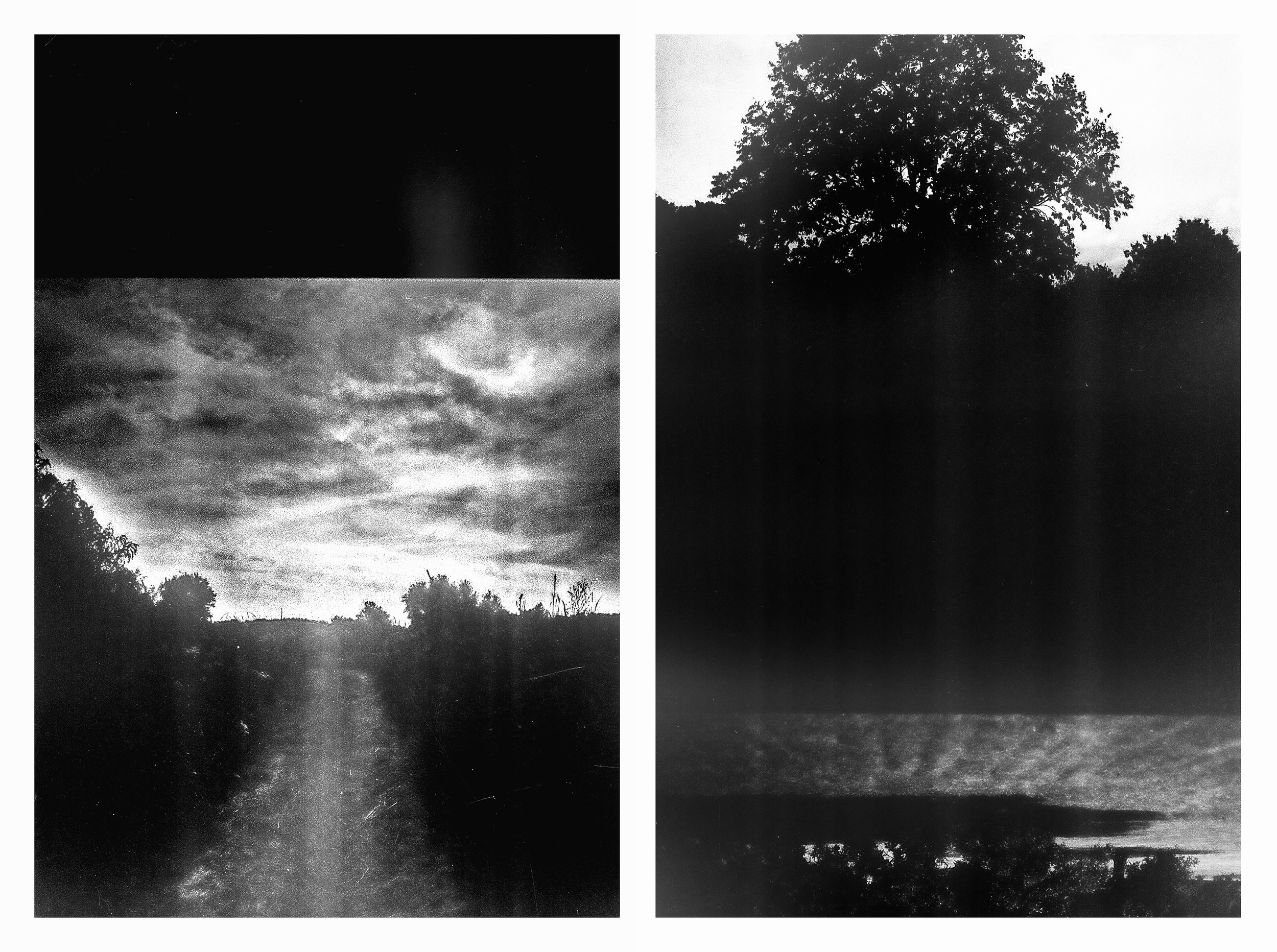
Auguries, No. 21 / 22 (Central Illinois), 2025. Archival Pigment Print, Edition of 15.
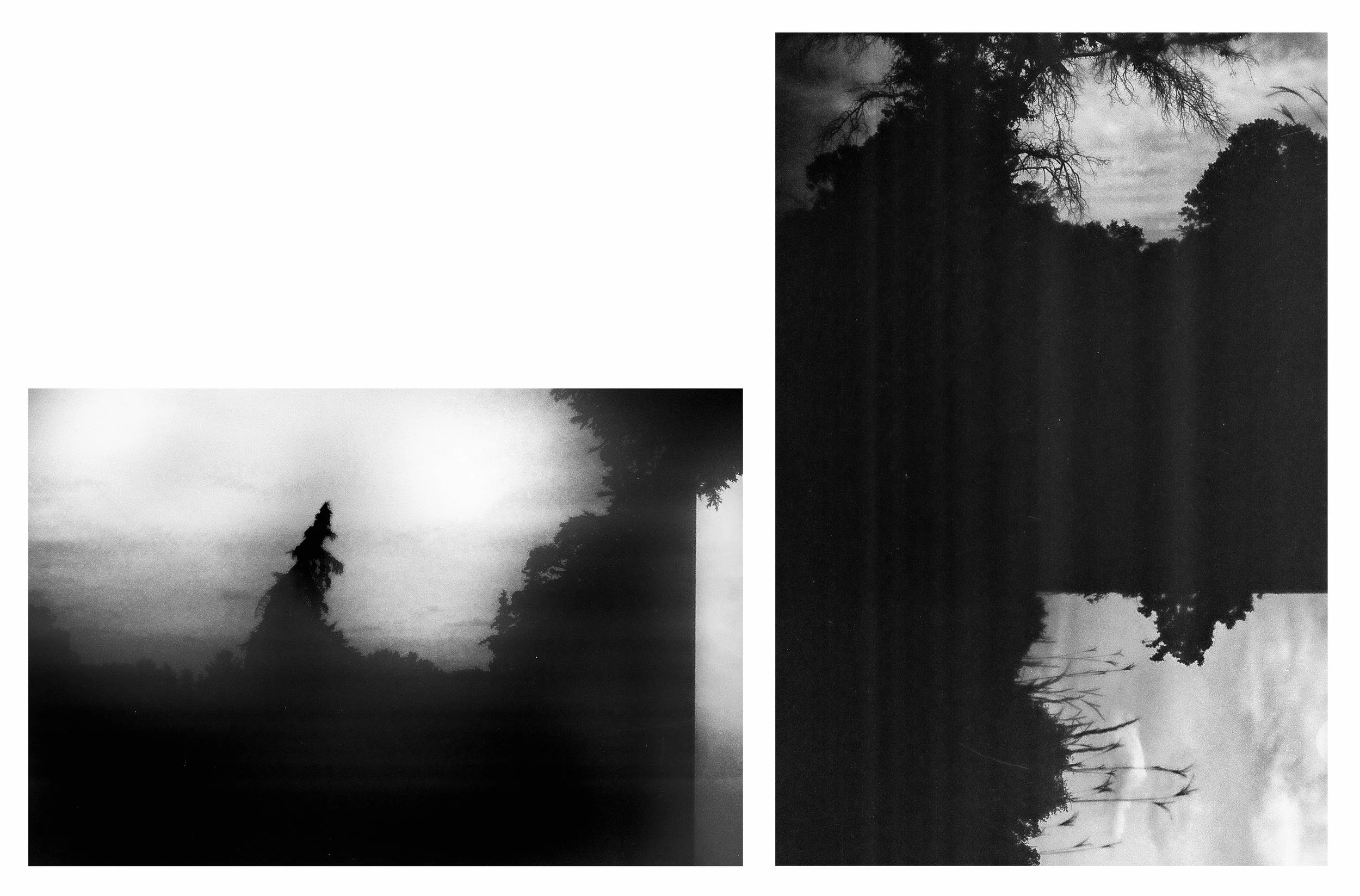
Auguries, No. 23 / 24 (Central Illinois), 2025. Archival Pigment Print, Edition of 15.
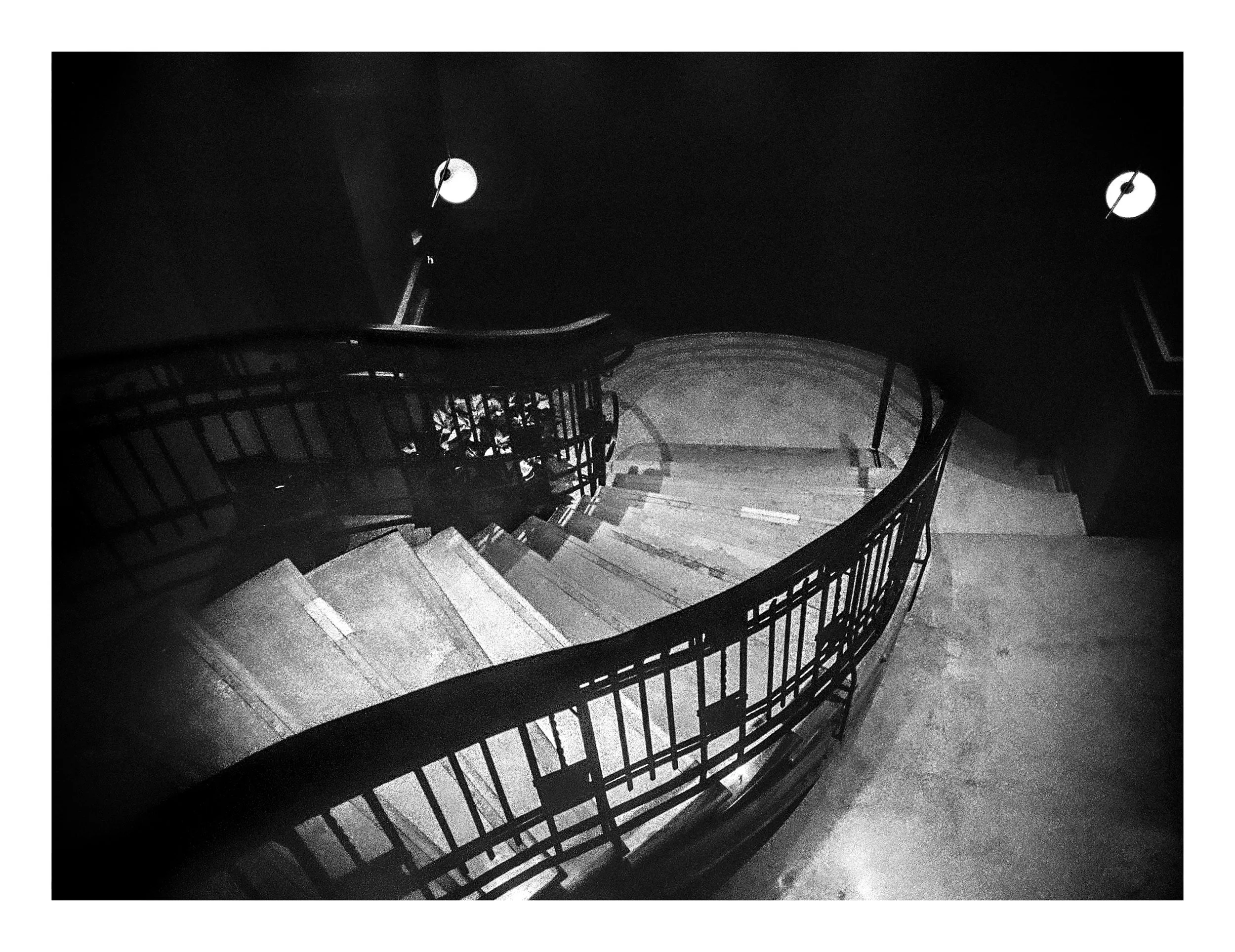
Mestizaje, No. 02 (CDMX), 2025. Archival Pigment Print, Edition of 15.
Mestizaje
2025
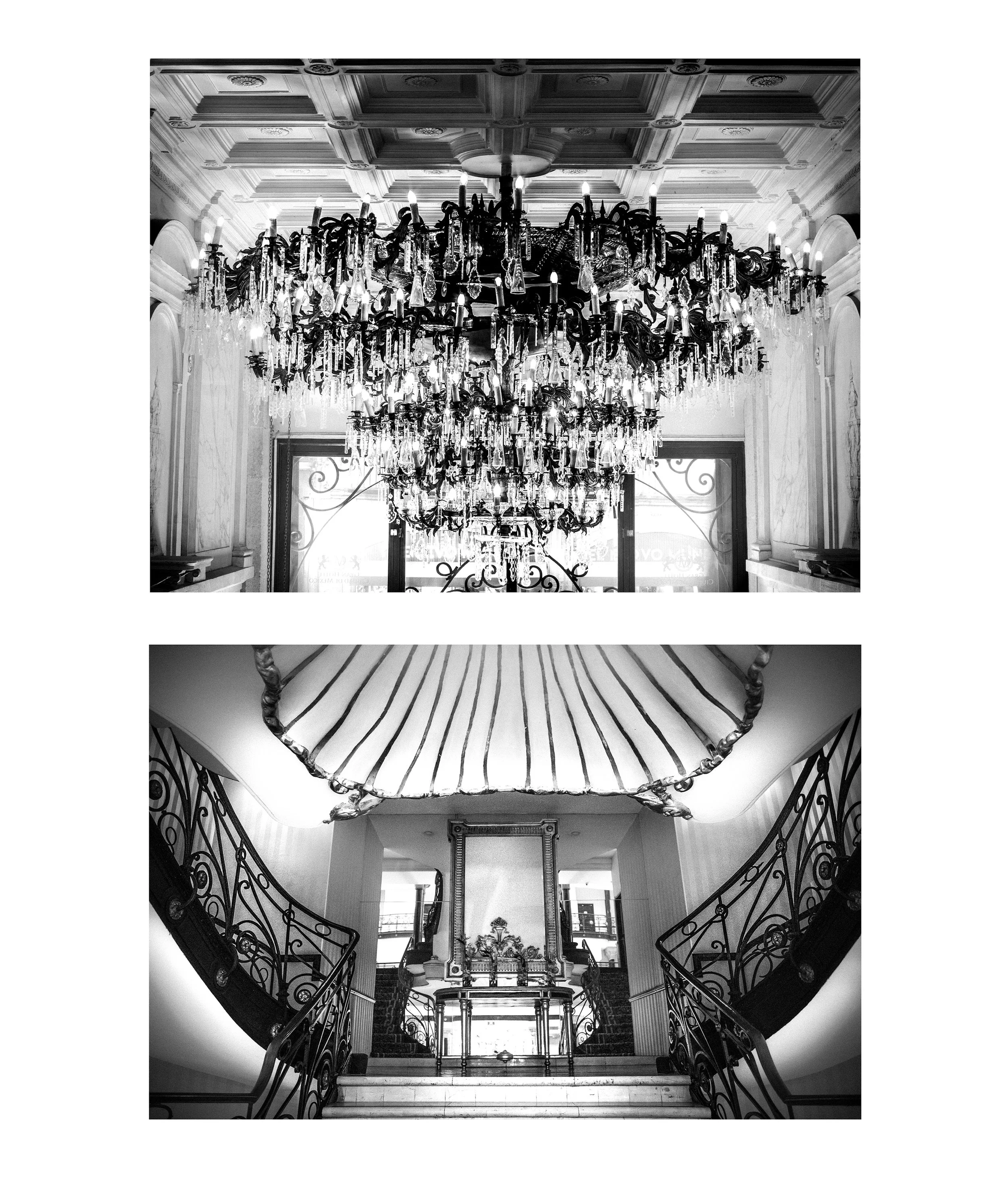
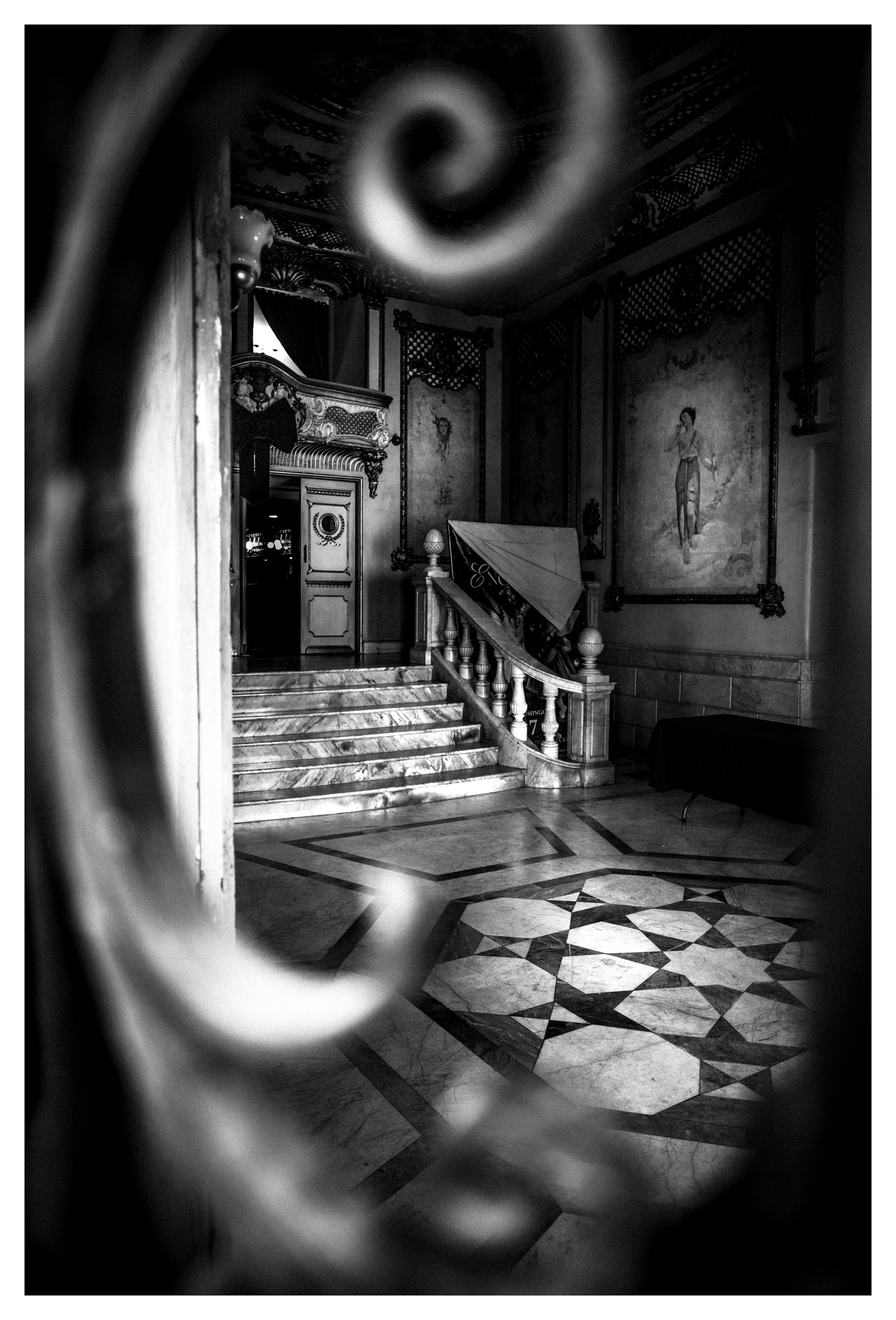
A staircase is a vertical timeline where the act of climbing becomes a physical negotiation between the past and the future. To photograph a staircase in Mexico is to capture the tension of Mestizaje—that permanent state of transition where a heavy, geometric stone meets a sweeping, ornate curve, traveling through colonial times, mid-century modernist influence, to the present. Whether framing the steep, rhythmic ascent of a cathedral or the sun-drenched spirals of a Barragán home, there is a documenting of a culture that views elevation not just as a change in elevation, but as a spiritual and social journey. These structures serve as the "in-between" spaces where the rigid geometry of the earth meets the fluid aspirations of the sky, prompting a reflection on whether we are rising toward a new identity or descending back into the roots of the soul.
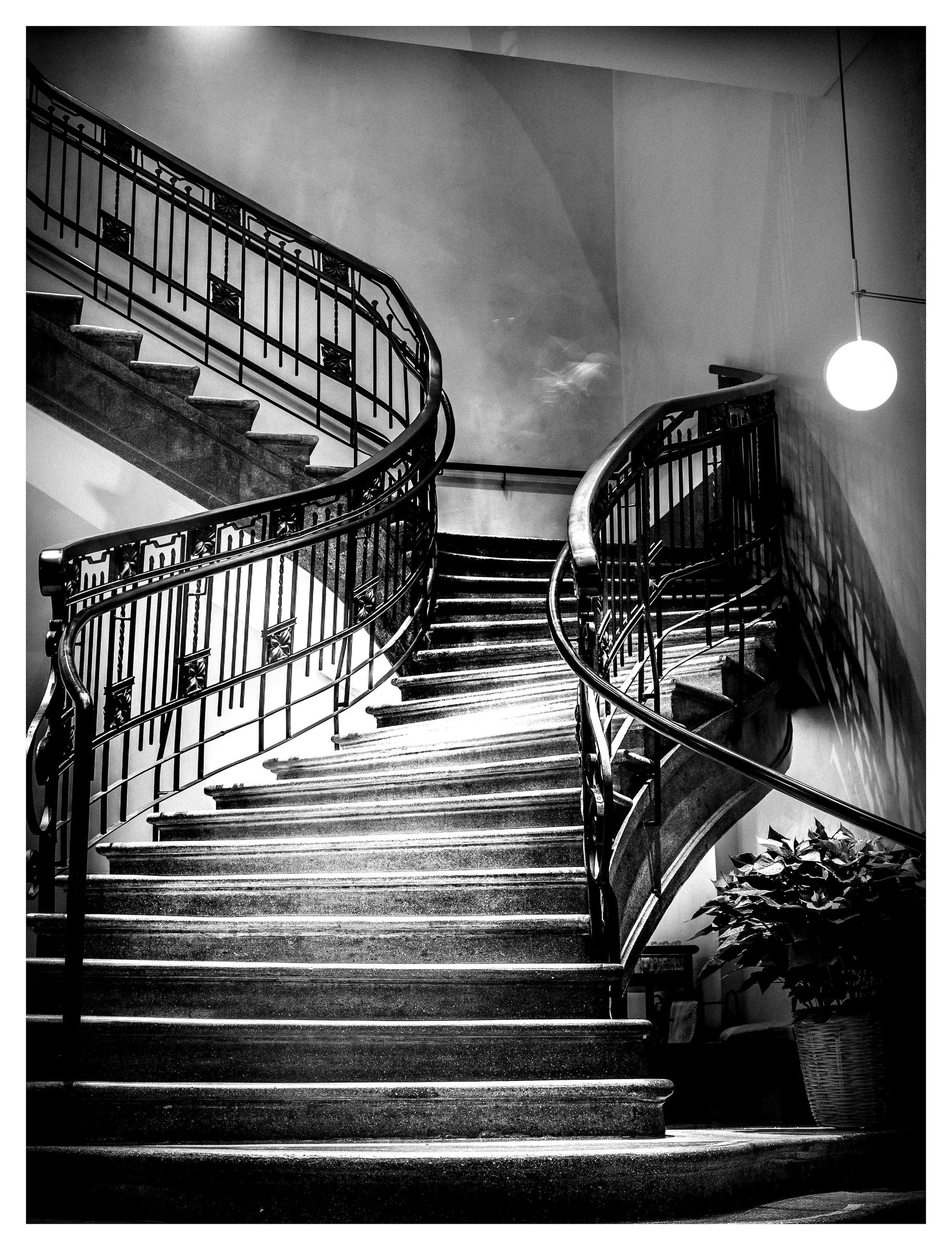
Mestizaje, No. 01 (CDMX), 2025. Archival Pigment Print, Edition of 15.
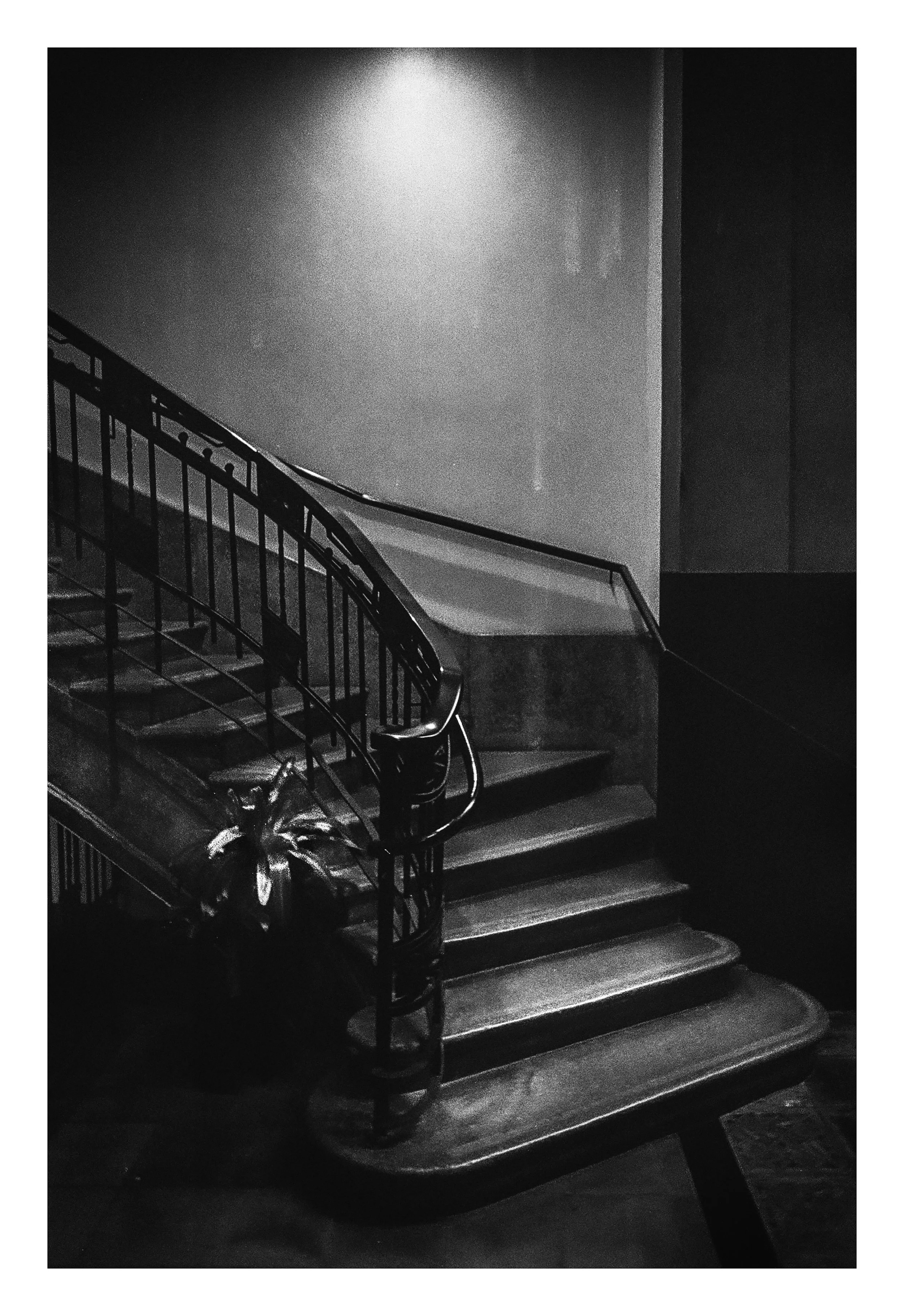
Mestizaje, No. 03 (CDMX), 2025. Archival Pigment Print, Edition of 15.
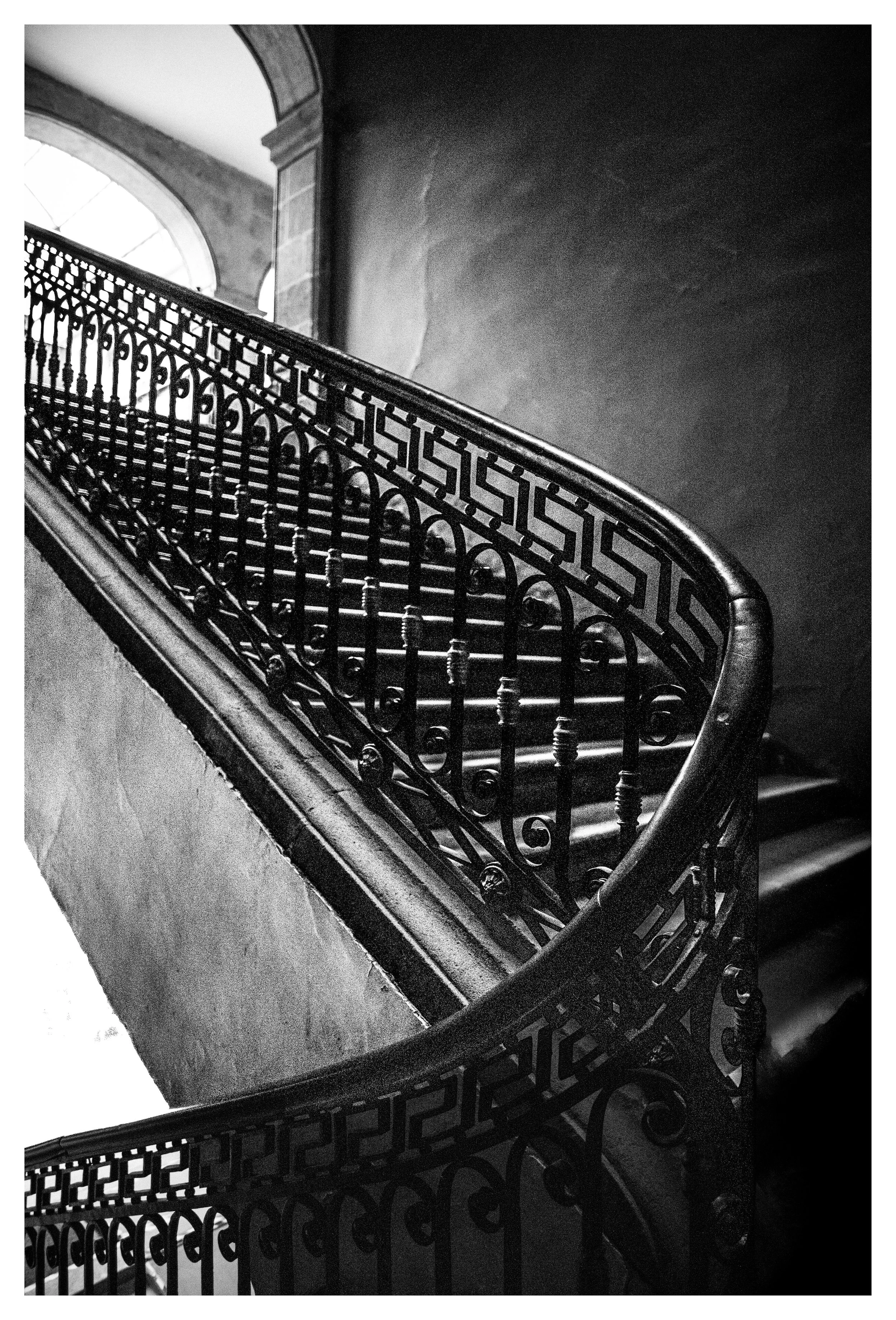
Mestizaje, No. 04 (CDMX), 2025. Archival Pigment Print, Edition of 15.
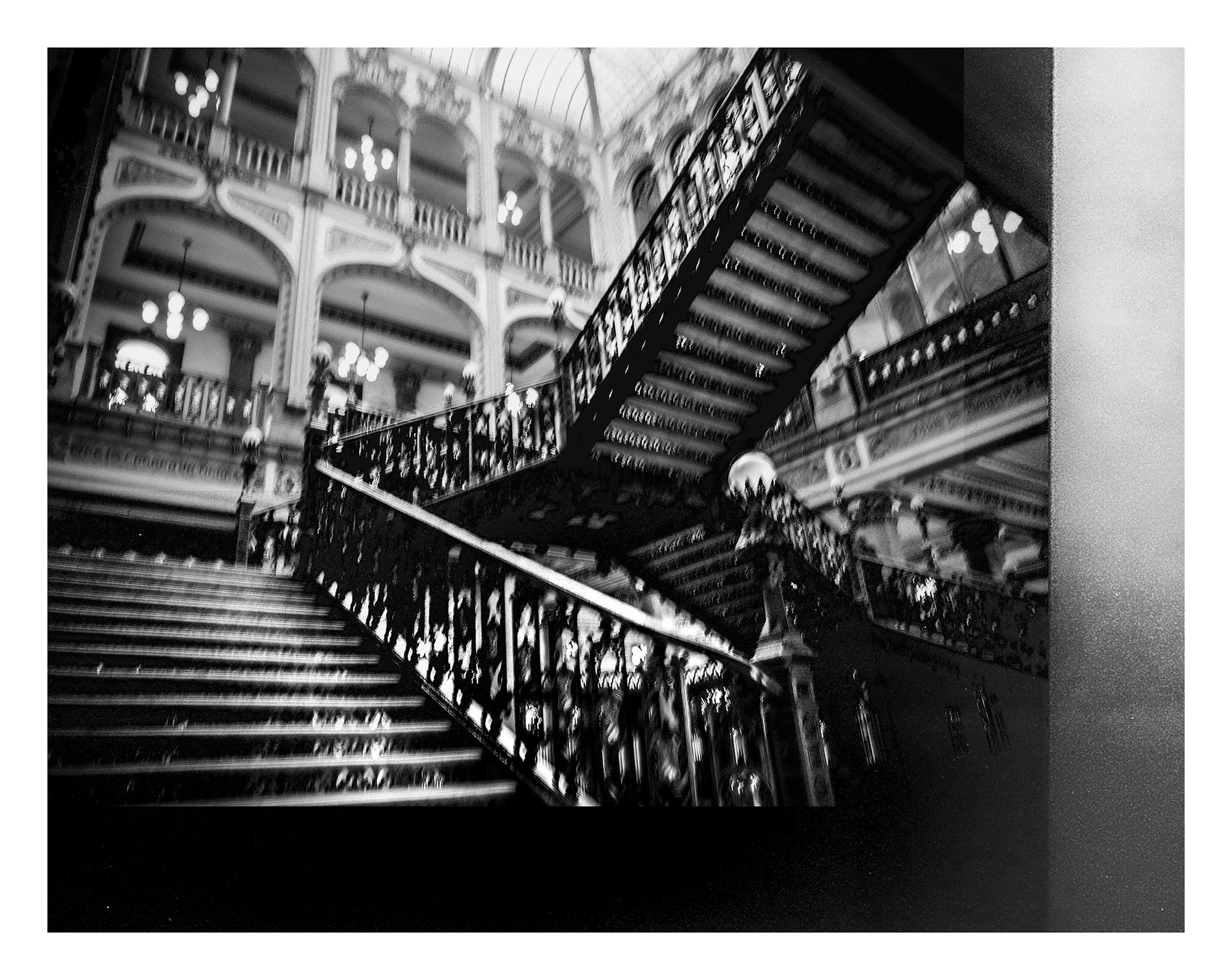
Mestizaje, No. 05 (CDMX), 2025. Archival Pigment Print, Edition of 15.
"I climb the stairs of the mountain, my heart a heavy vessel,
filled with the wine of my grief, and the bread of my solitude.
The path is steep and narrow, and the stones are sharp and cold.
But I climb, I climb, towards the summit of my soul.
The wind howls in my ears, and the mist blinds my eyes.
But I climb, I climb, towards the light of the stars.
And when I reach the top, I will pour out my heart,
and the wine of my grief, and the bread of my solitude.
And I will be free, as the wind and the stars,
and my heart will be light, as a feather in the sky."
-Gabriela Mistral
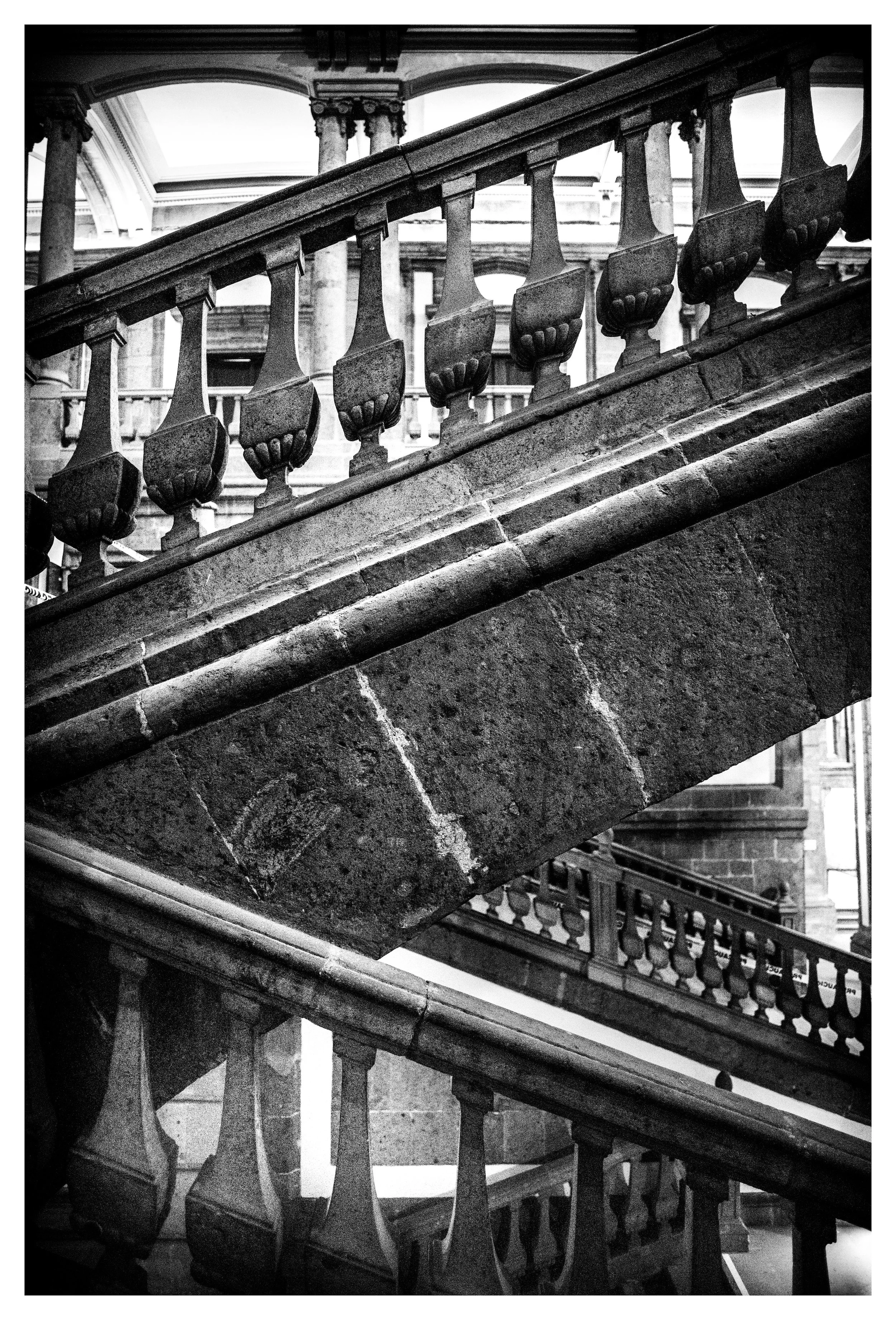
Mestizaje, No. 06 (Oaxaca), 2025. Archival Pigment Print, Edition of 15.
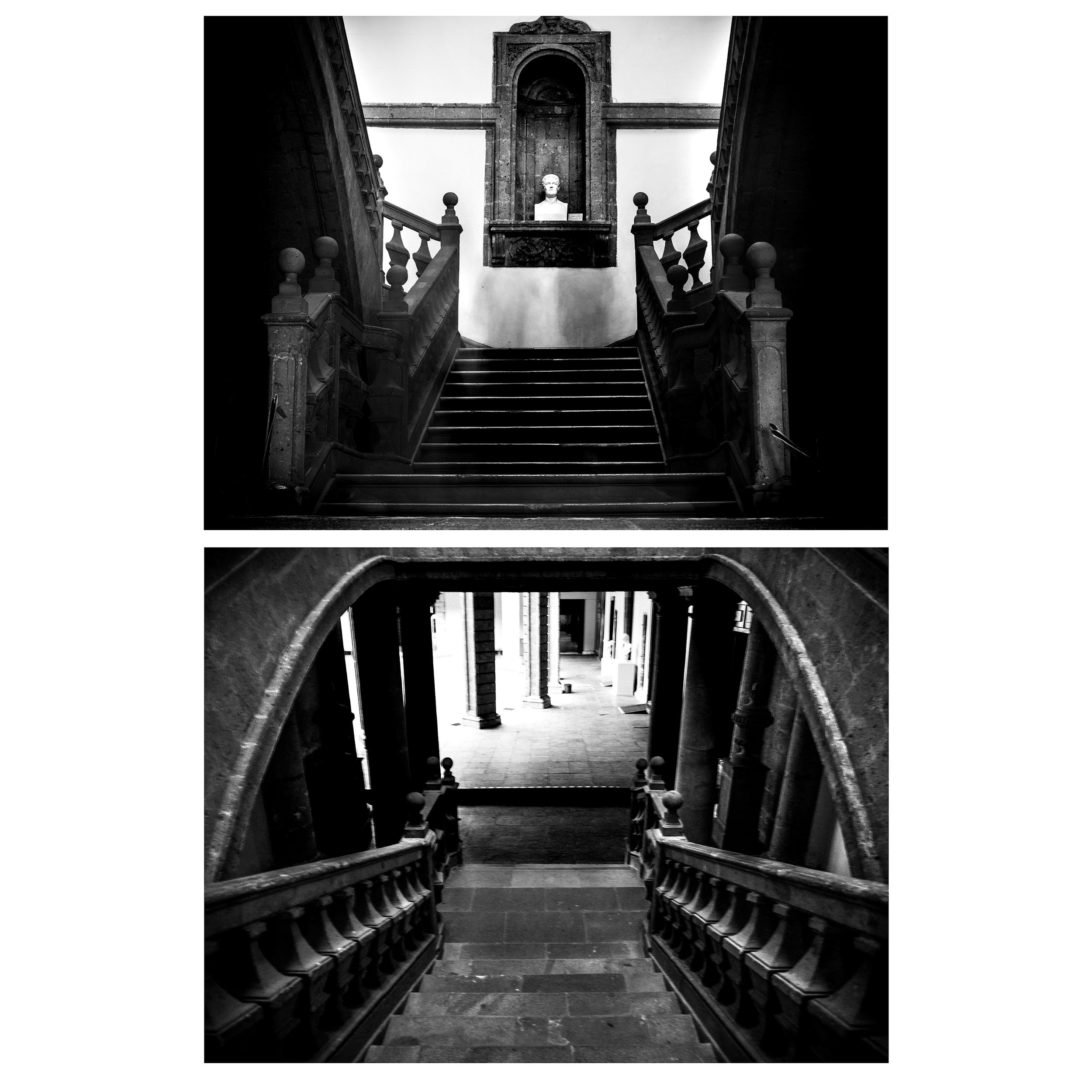
Mestizaje, No. 07 (CDMX), 2025. Archival Pigment Print, Edition of 15.
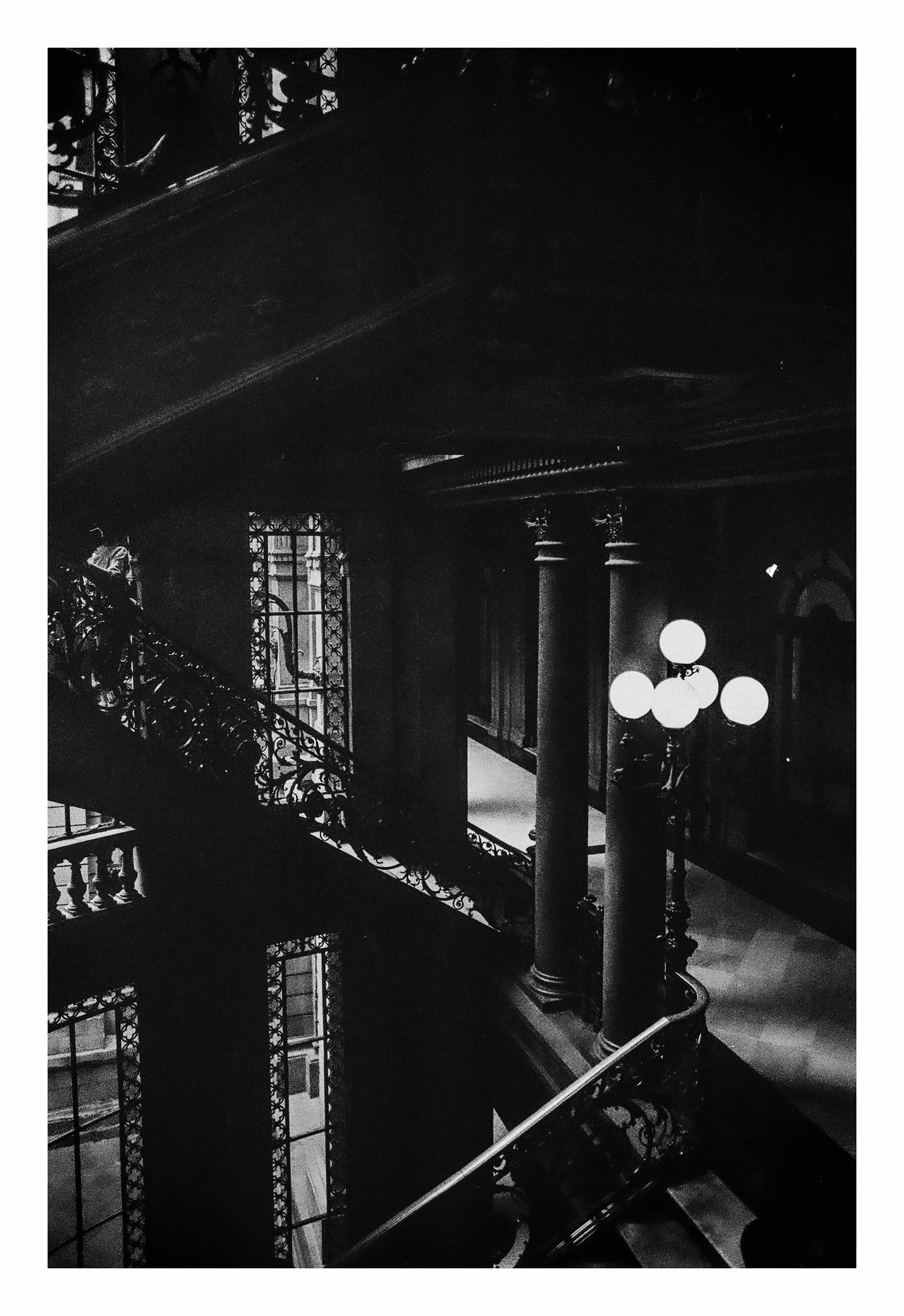
Mestizaje, No. 08 (CDMX), 2025. Archival Pigment Print, Edition of 15.
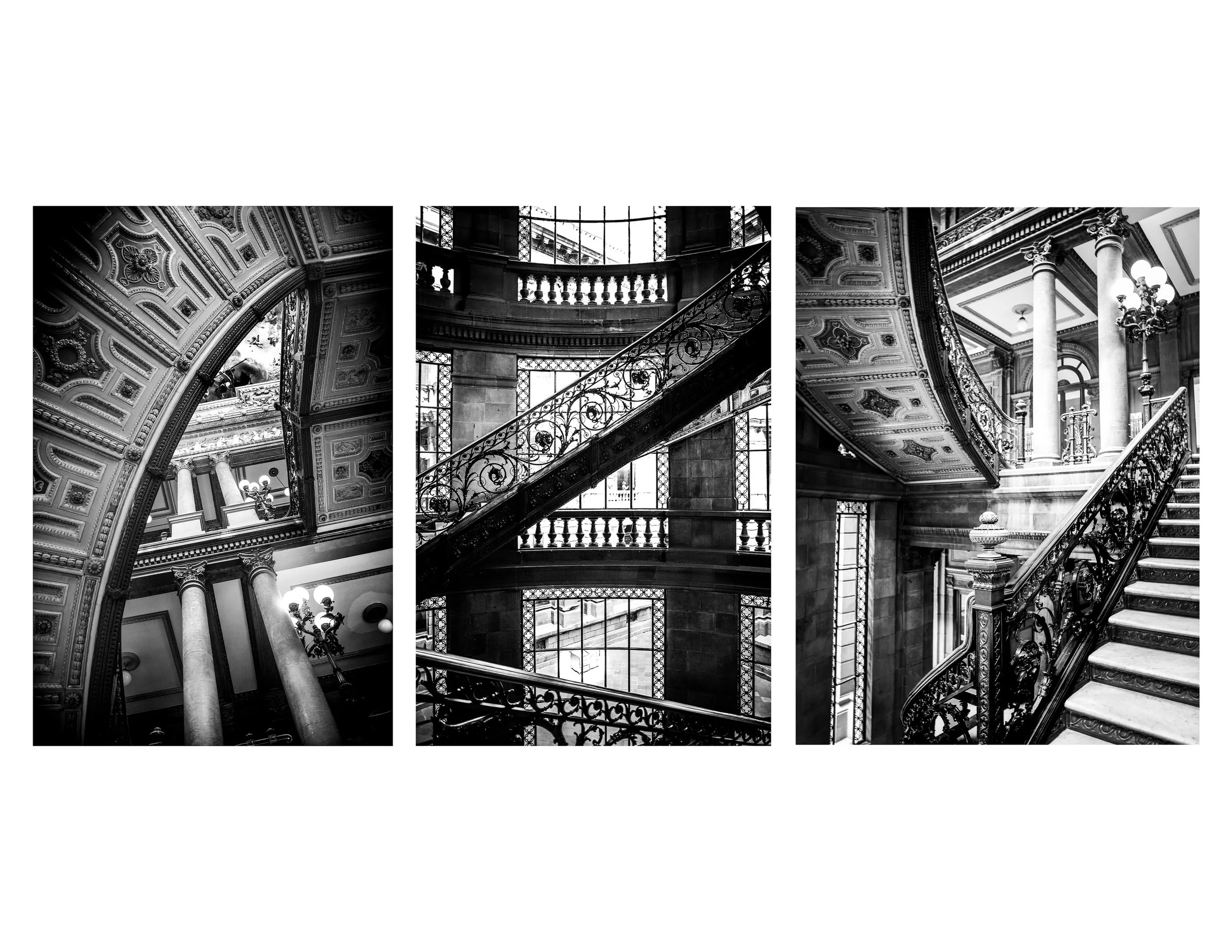
Mestizaje, No. 09 (CDMX), 2025. Archival Pigment Print, Edition of 15.
Mestizaje, No. 10 / 11 (CDMX), 2025. Archival Pigment Print, Edition of 15.
Mestizaje, No. 12 (Oaxaca), 2025. Archival Pigment Print, Edition of 15.
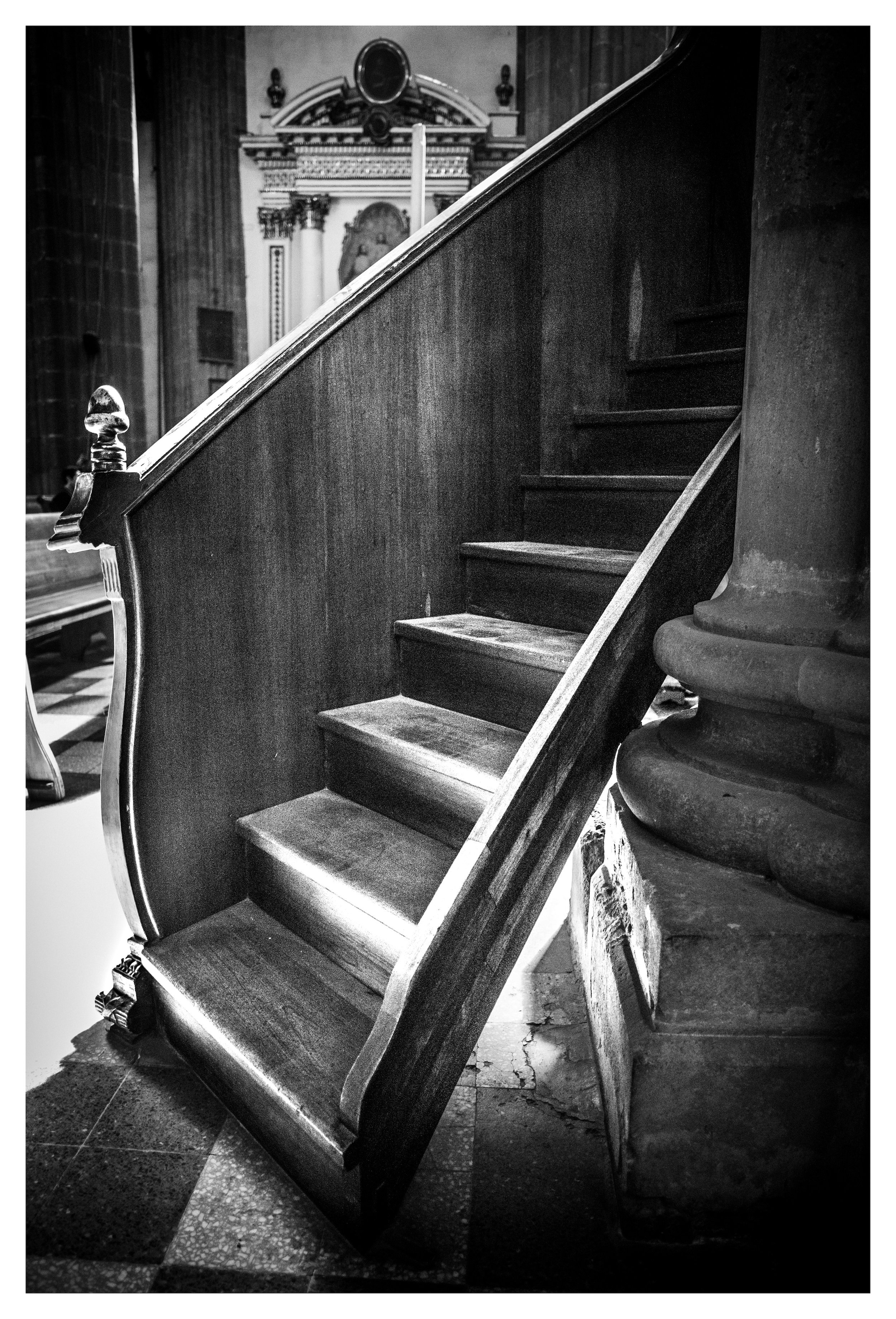
Mestizaje, No. 13 (Oaxaca), 2025. Archival Pigment Print, Edition of 15.
In this context, the shape of the staircase guides the flow of time itself: the spiral signifies the cyclical nature of history—a repeating loop where the past is never truly gone—while the jagged zigzag of urban stairwells reflects the vibrant, chaotic pulse of modern Latin American life. By capturing the play of light and shadow across these steps, we translate the abstract concept of space into a narrative of persistence. I haven't just photographed architecture; I've aimed to capture an“Aceso Latinamericano"—a visual metaphor for a region that constantly reinvents itself through movement, balancing the weight of ancient gravity against the lightness of a future still being built, still taking shape through the glare of the sun, with an undeniable sense of hesitation, relentless analysis—weighing cultural sacrifice with globalization and the never-ending demand of modernization—yet with unyielding determination to move forward with balance.
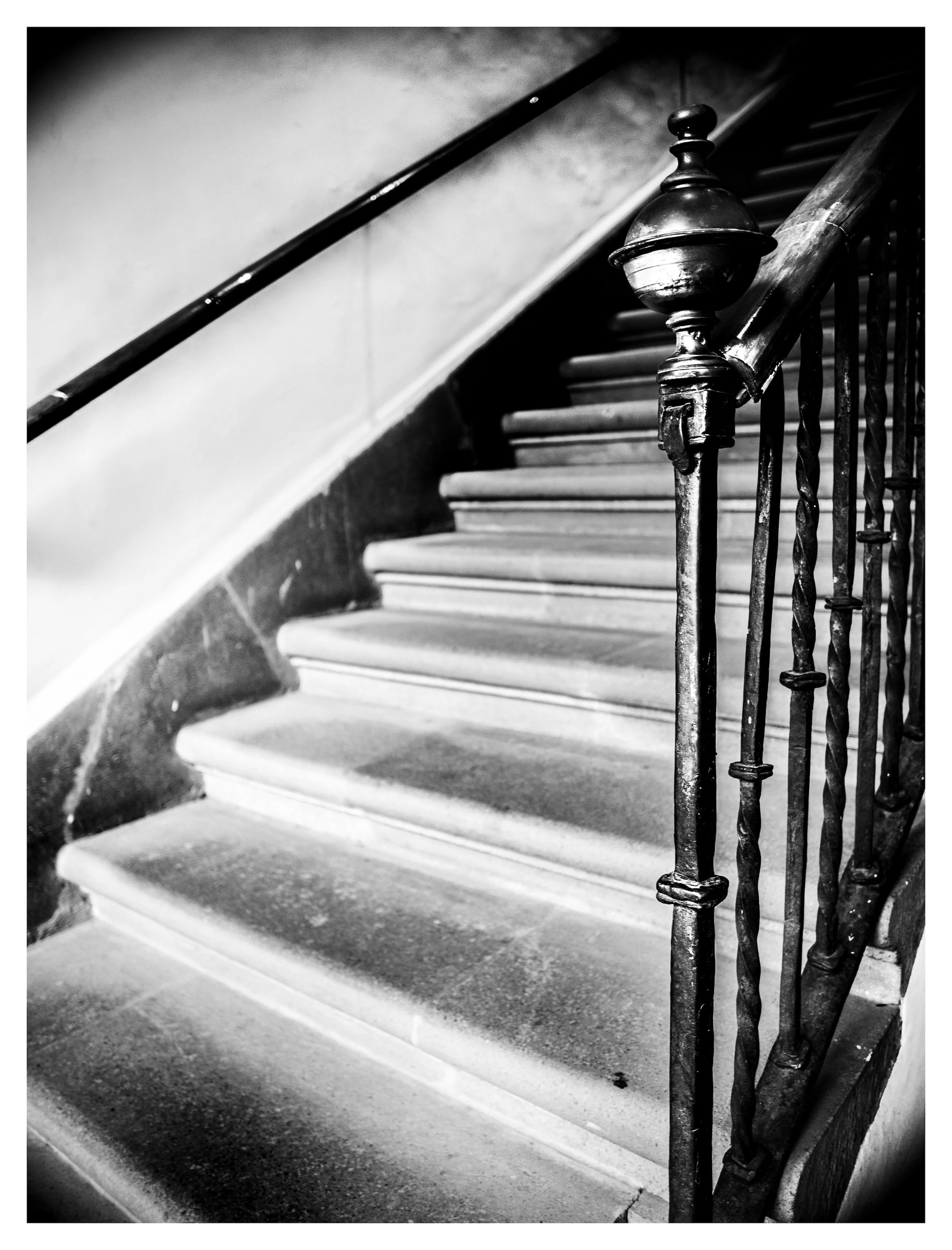
Mestizaje, No. 14 (Oaxaca), 2025. Archival Pigment Print, Edition of 15.
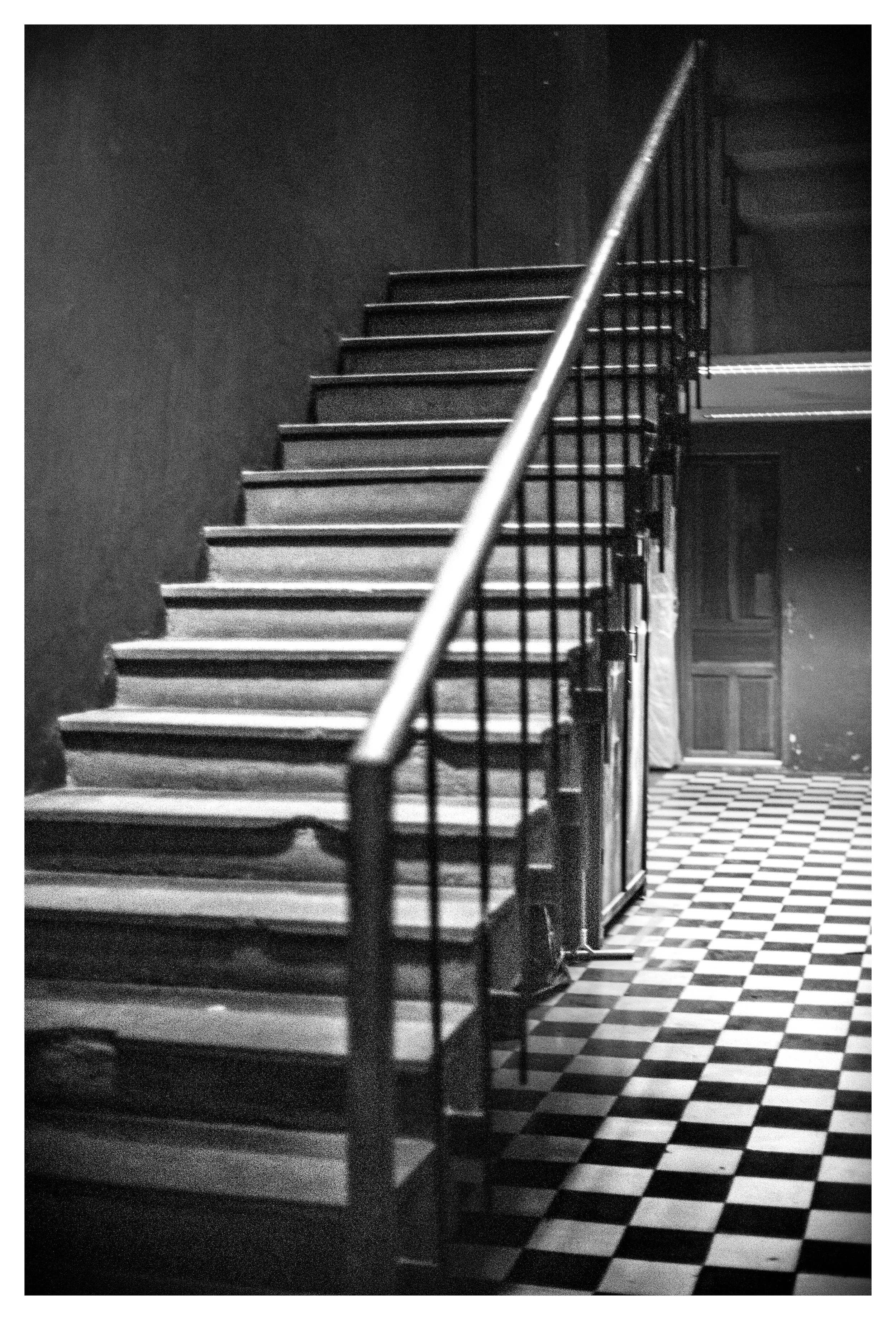
Mestizaje, No. 15 (Oaxaca), 2025. Archival Pigment Print, Edition of 15.
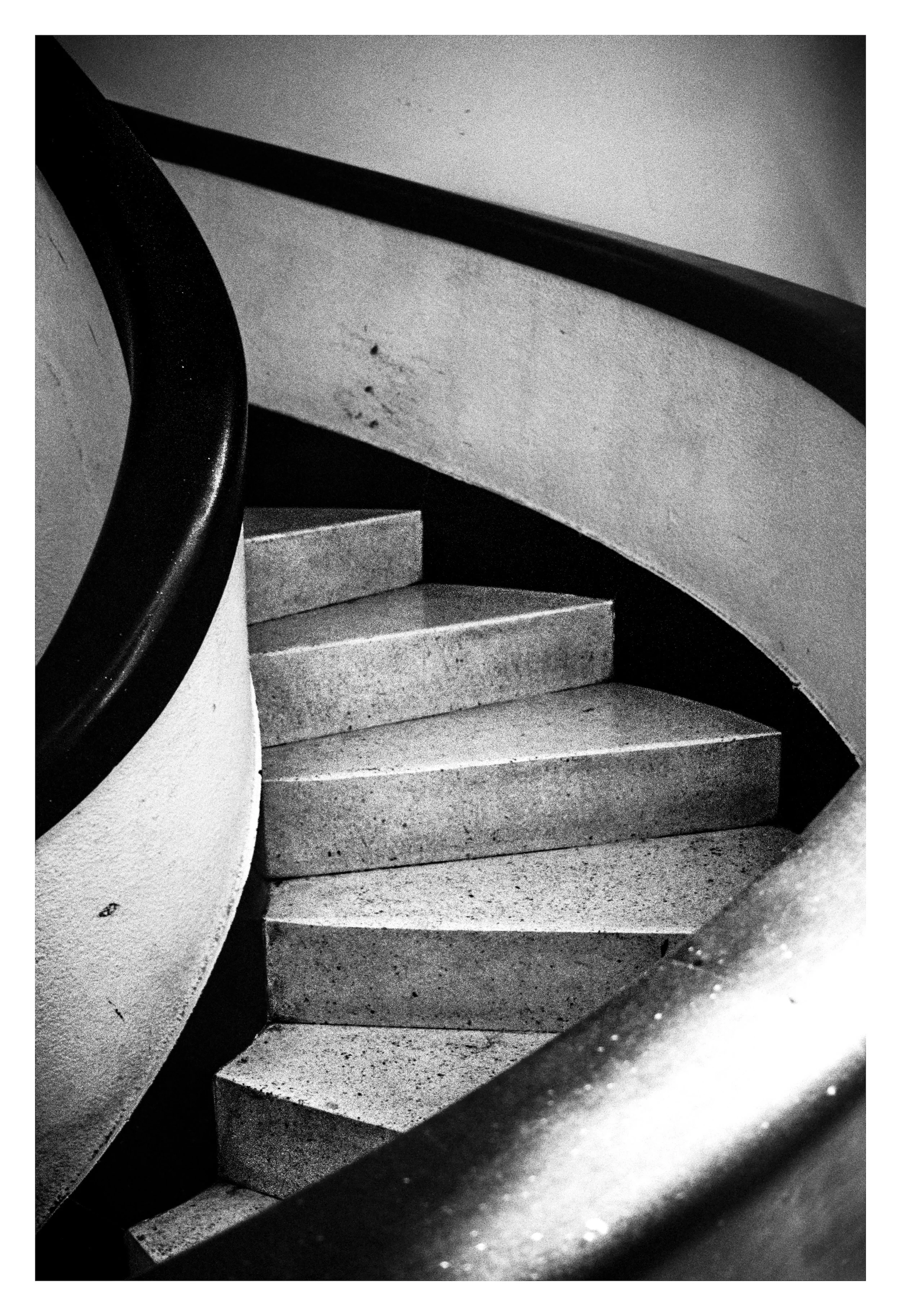
Mestizaje, No. 16 (CDMX), 2017. Archival Pigment Print, Edition of 15.
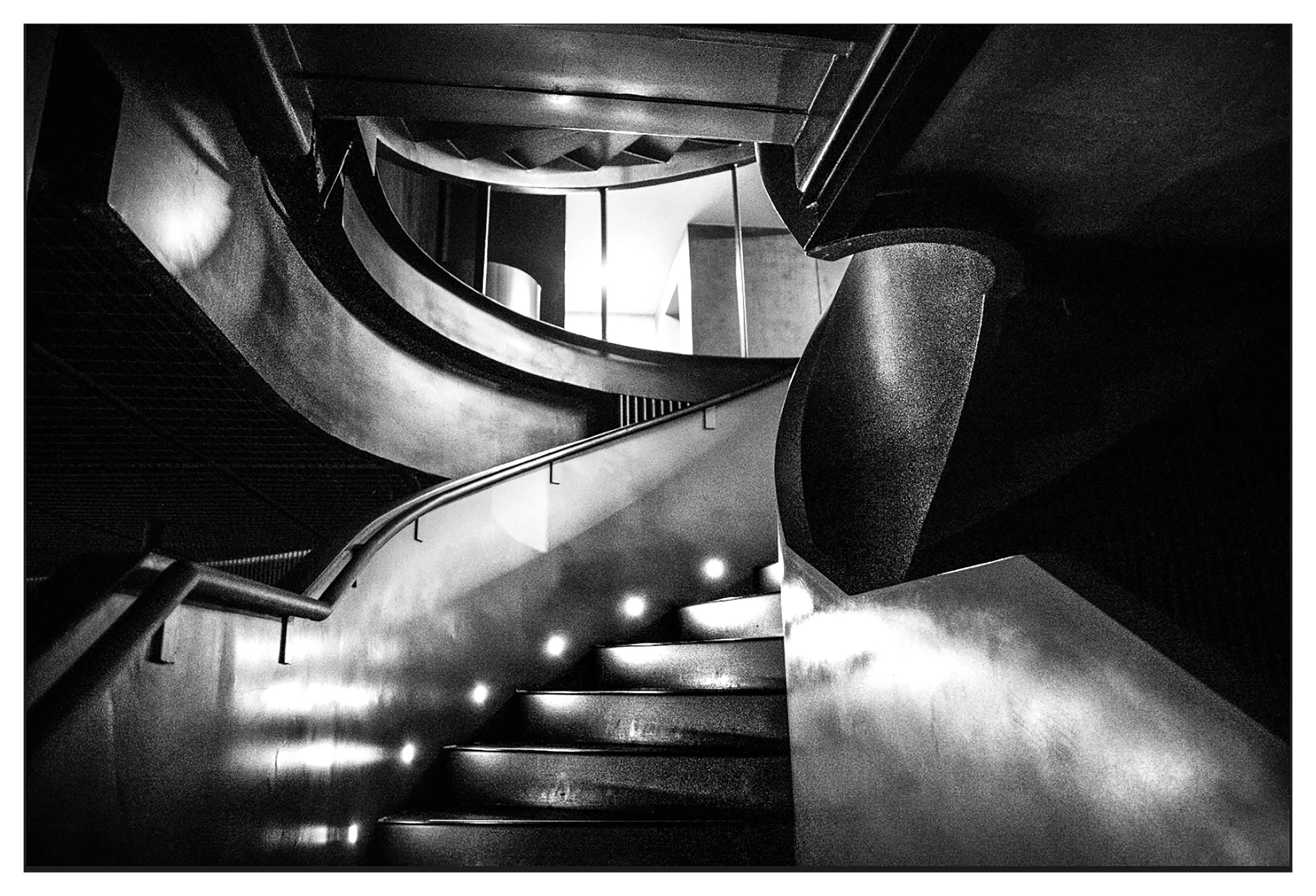
Mestizaje, No. 17 (CDMX), 2025. Archival Pigment Print, Edition of 15.
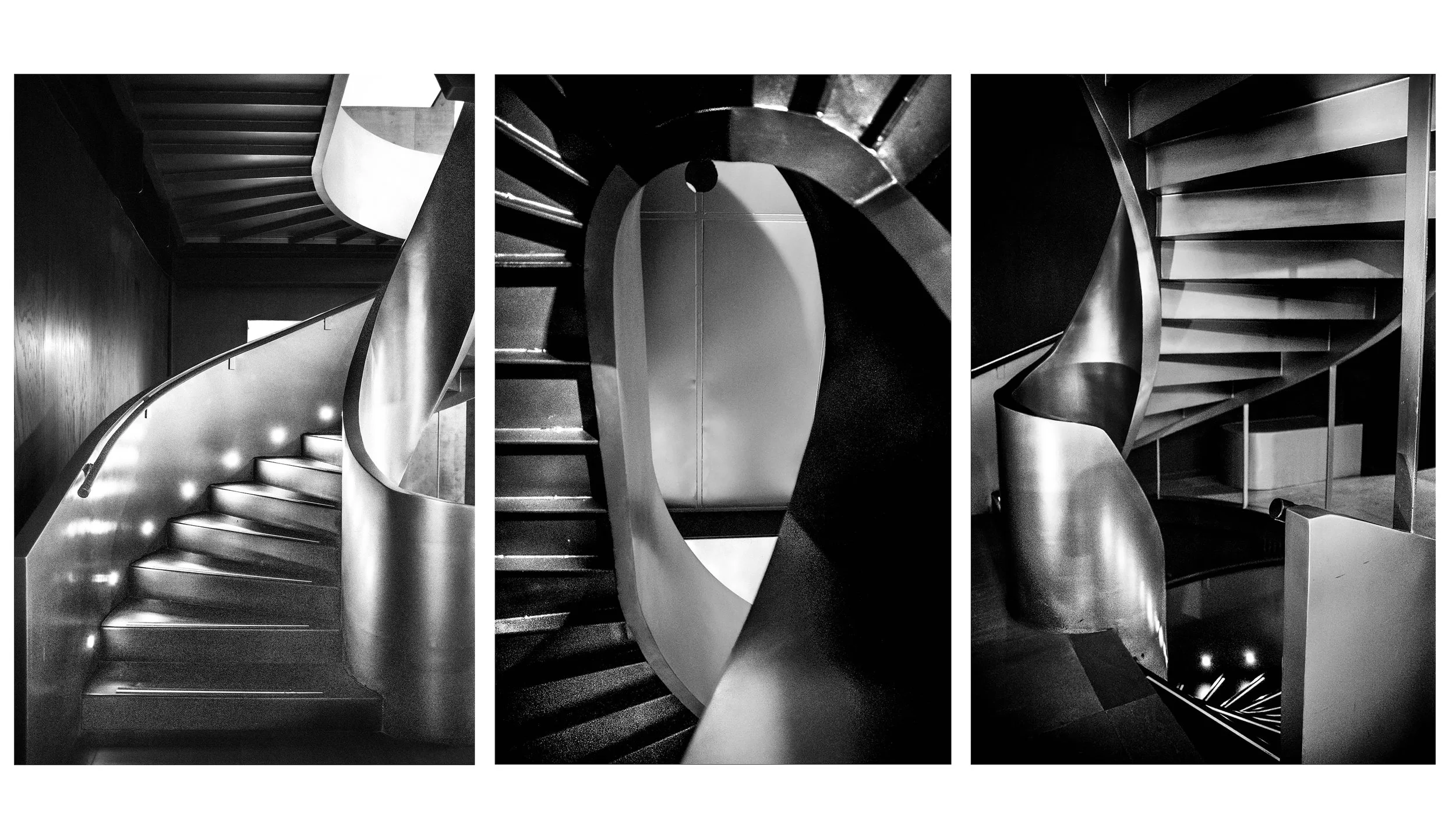
Mestizaje, No. 18, 19, 20 (CDMX), 2025. Archival Pigment Print, Edition of 15.
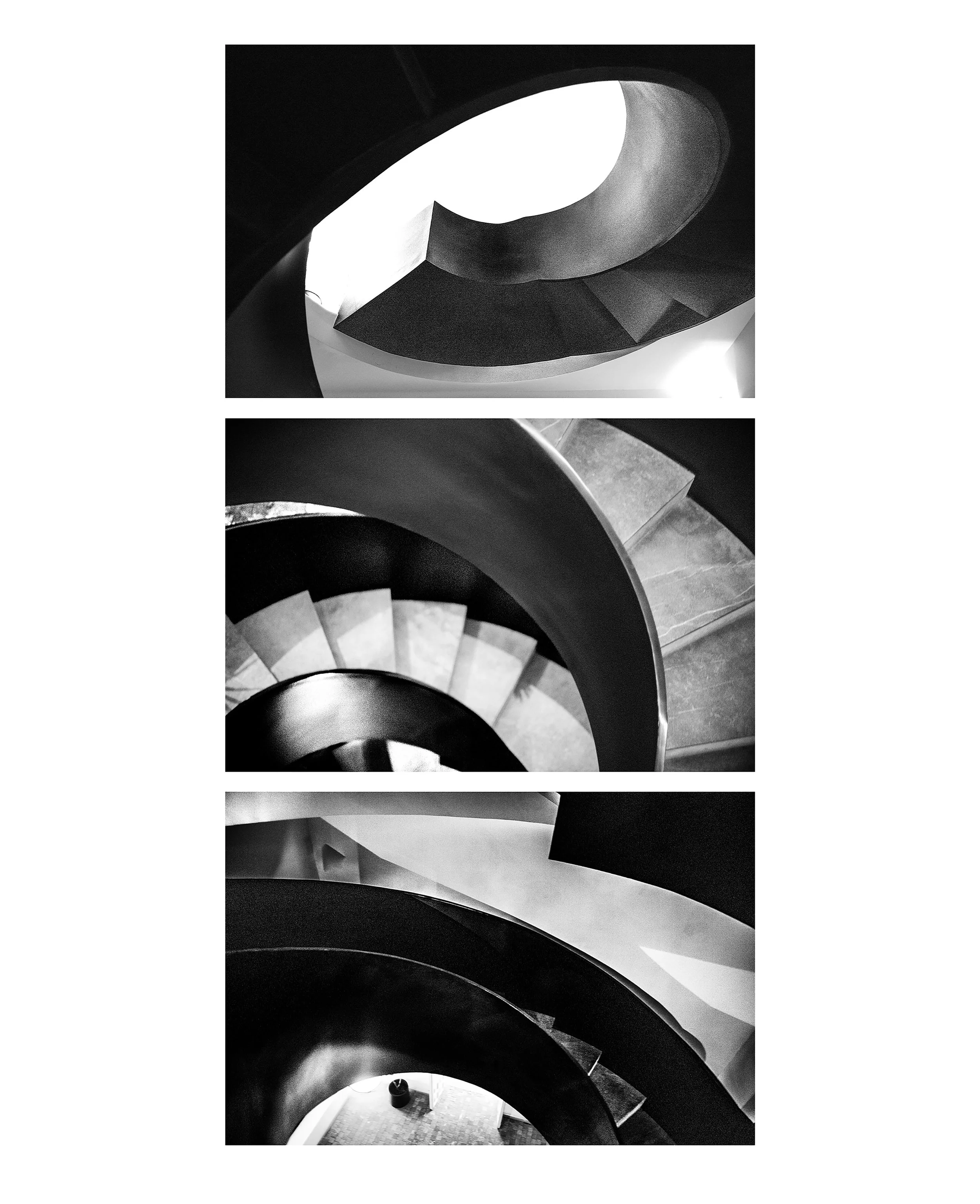
Mestizaje, No. 21, 22, 23 (CDMX), 2025. Archival Pigment Print, Edition of 15.
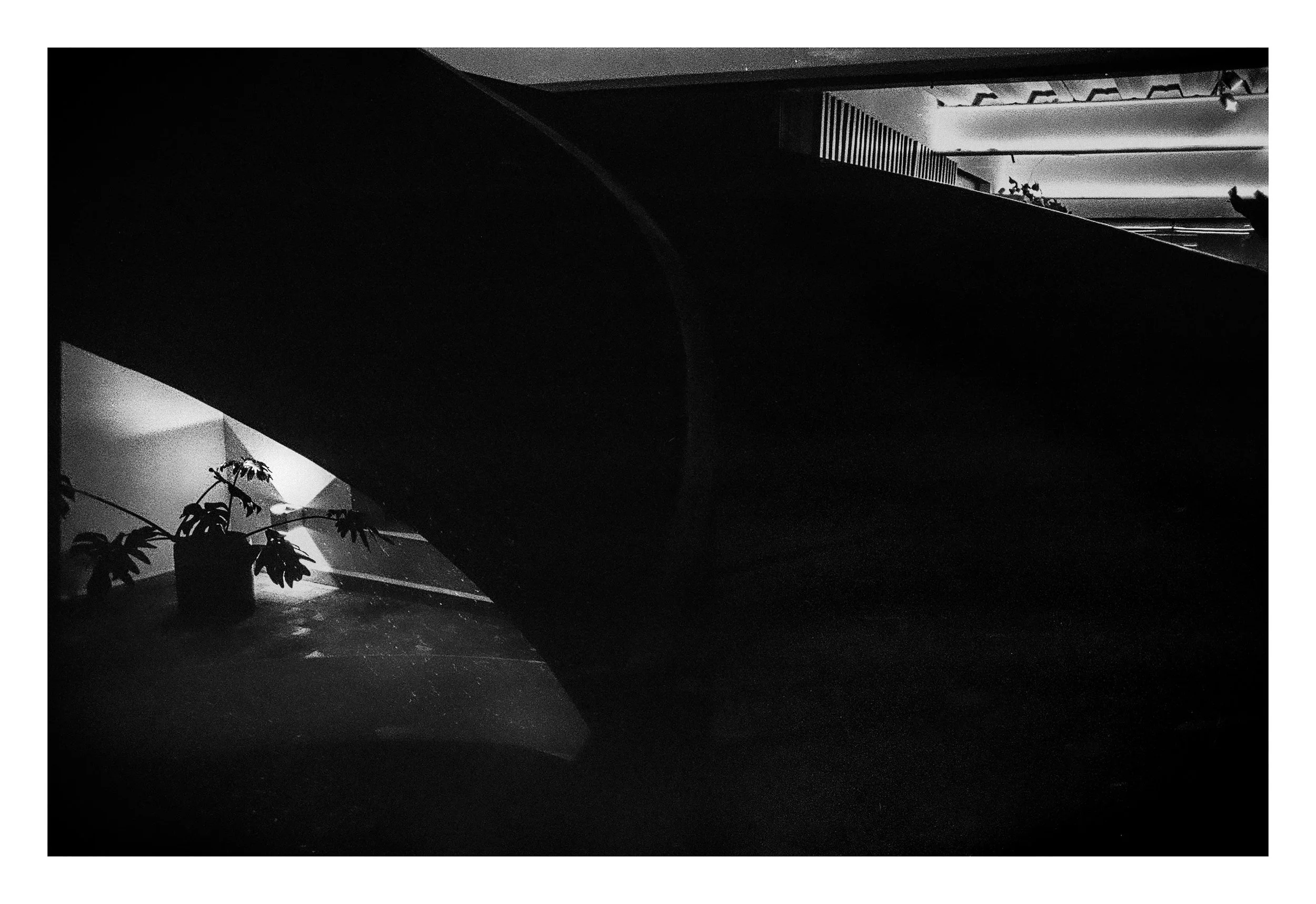
Mestizaje, No. 24 (CDMX), 2025. Archival Pigment Print, Edition of 15.
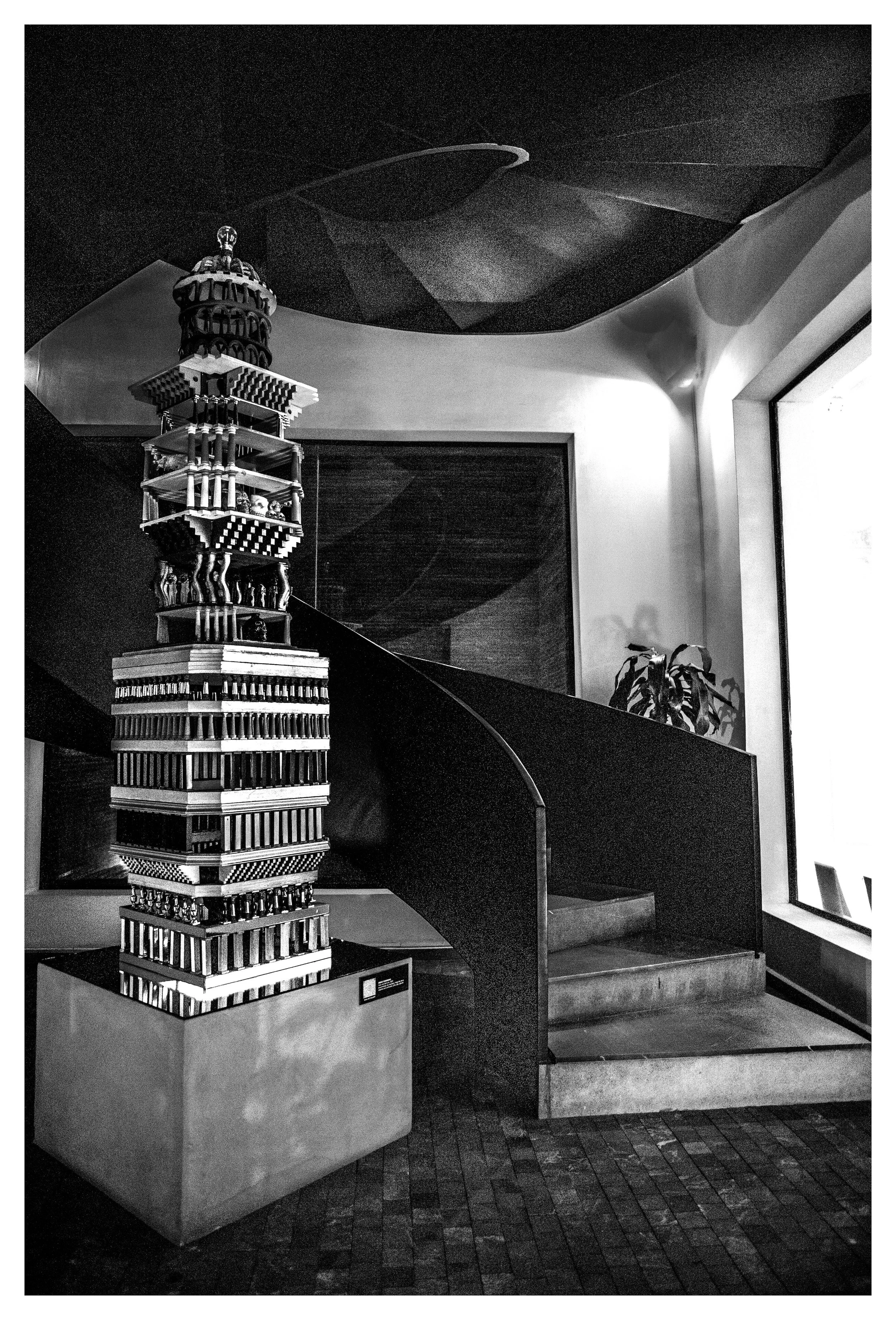
Mestizaje, No. 25 (CDMX), 2025. Archival Pigment Print, Edition of 15.
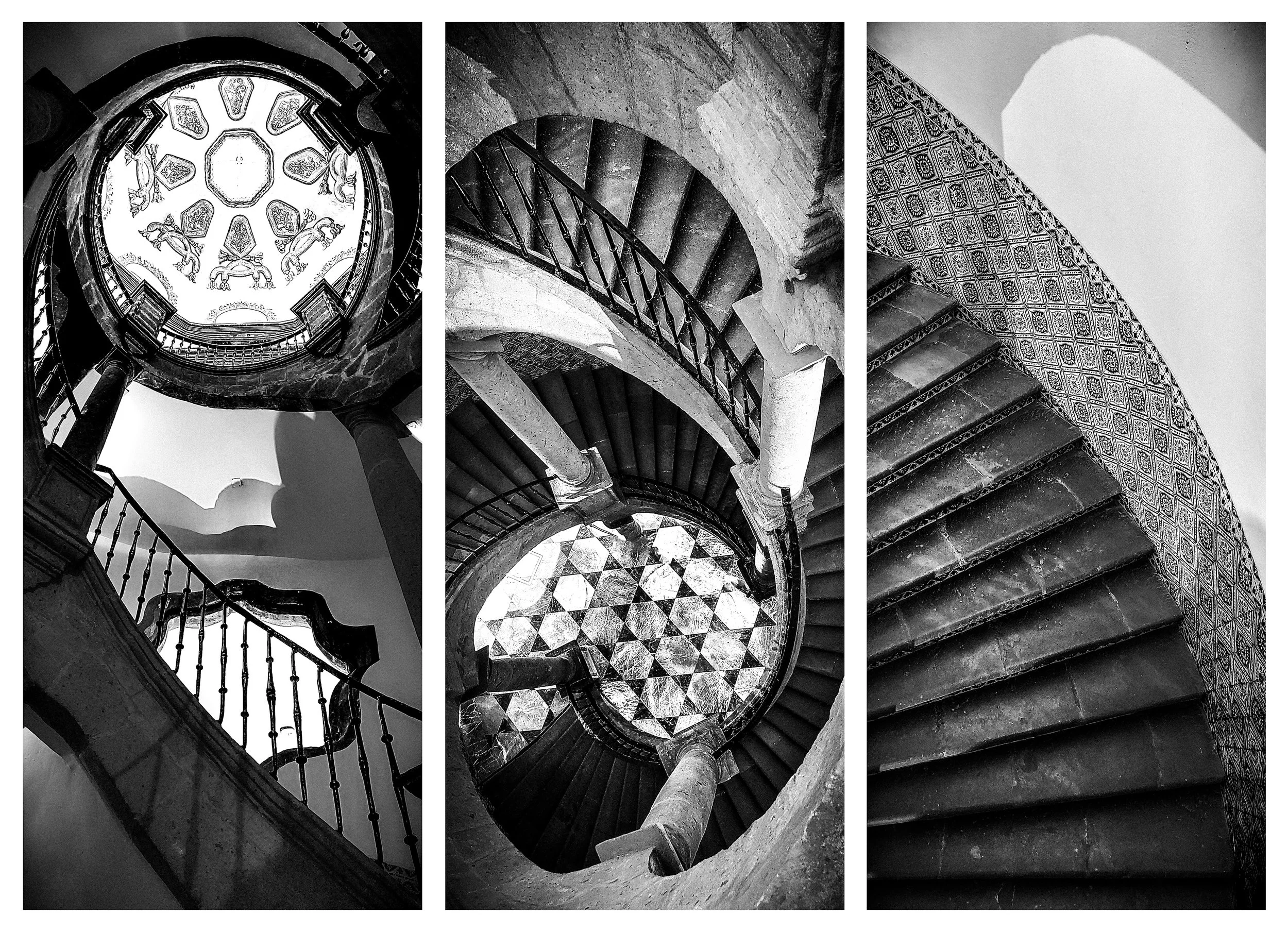
Mestizaje, No. 26, 27, 28 (CDMX), 2025. Archival Pigment Print, Edition of 15.
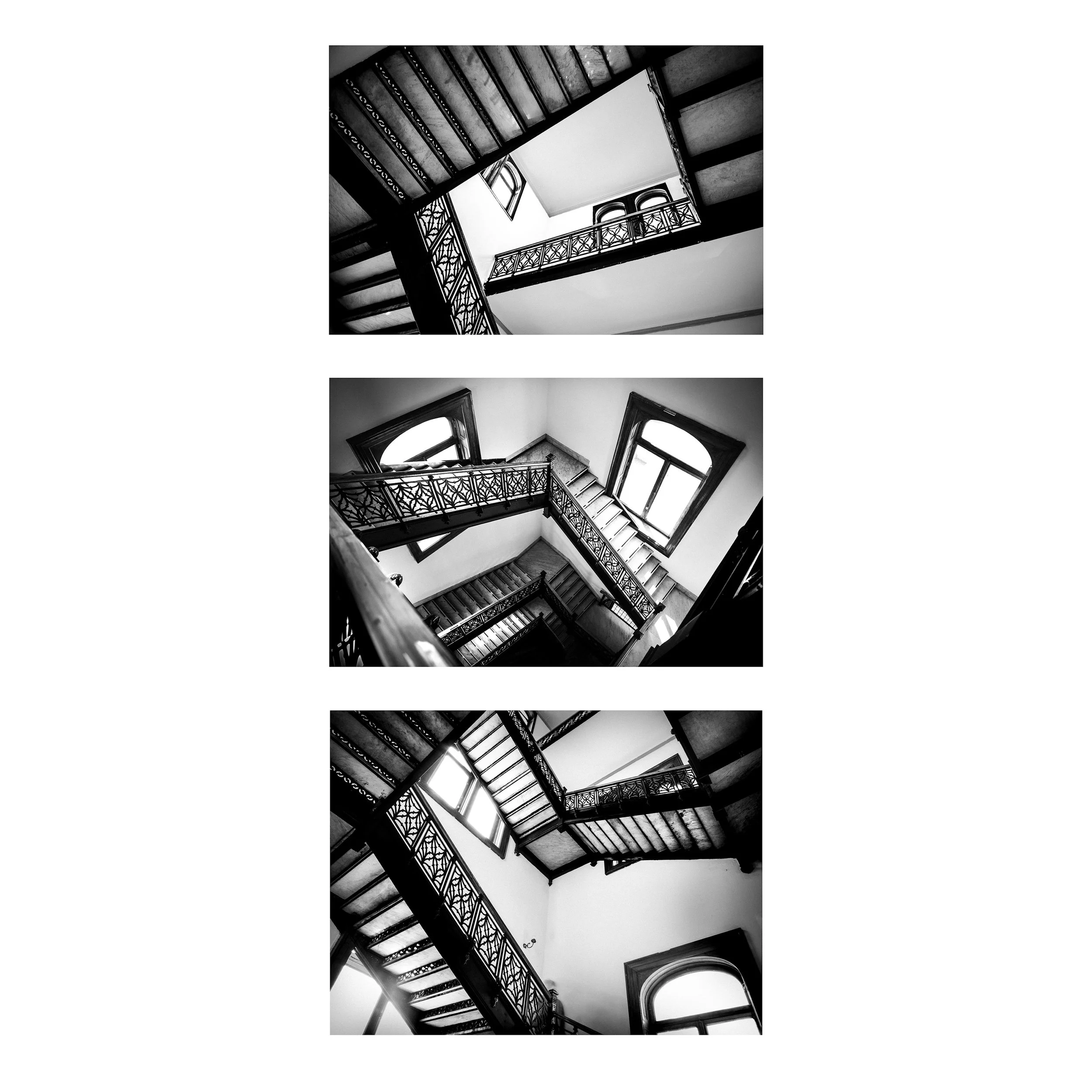
Mestizaje, No. 29, 30, 31 (CDMX), 2025. Archival Pigment Print, Edition of 15.
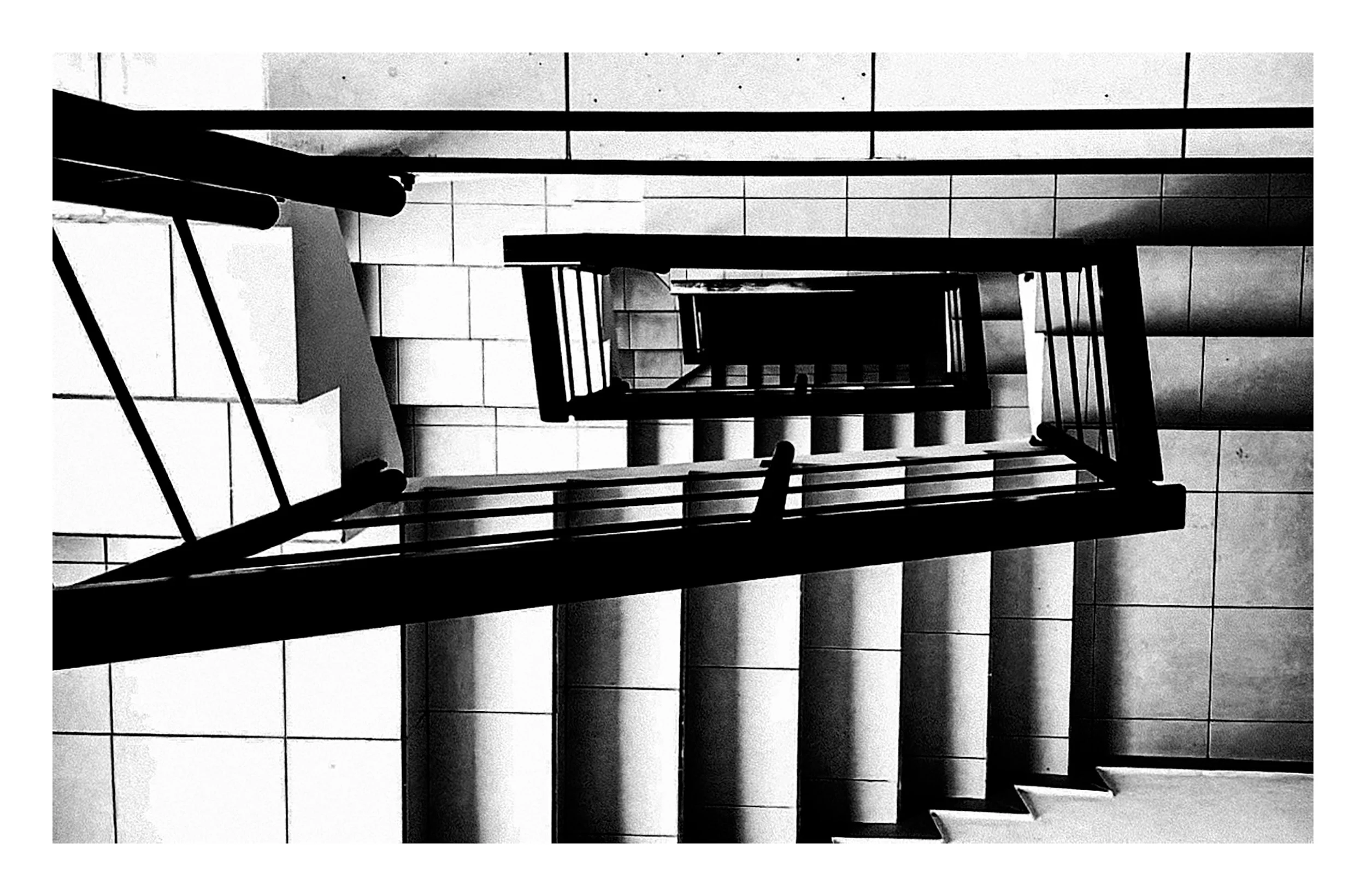
Mestizaje, No. 32 (CDMX), 2023. Archival Pigment Print, Edition of 15.
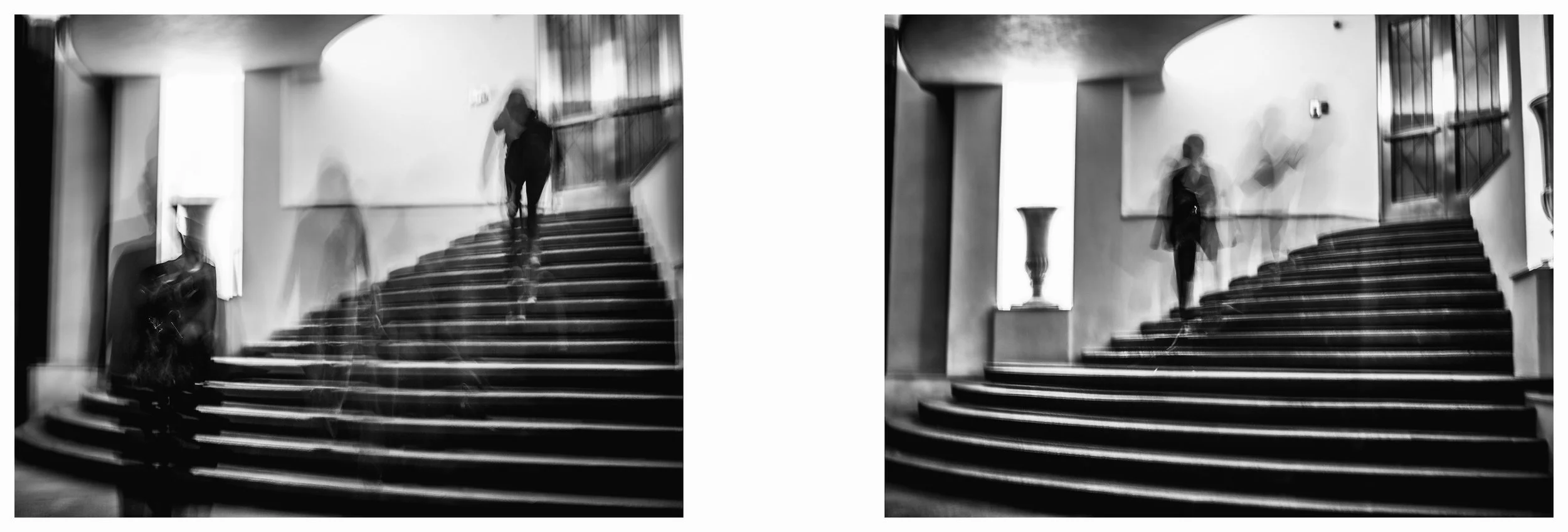
Mestizaje, No. 33 / 34 (CDMX), 2025. Archival Pigment Print, Edition of 15.
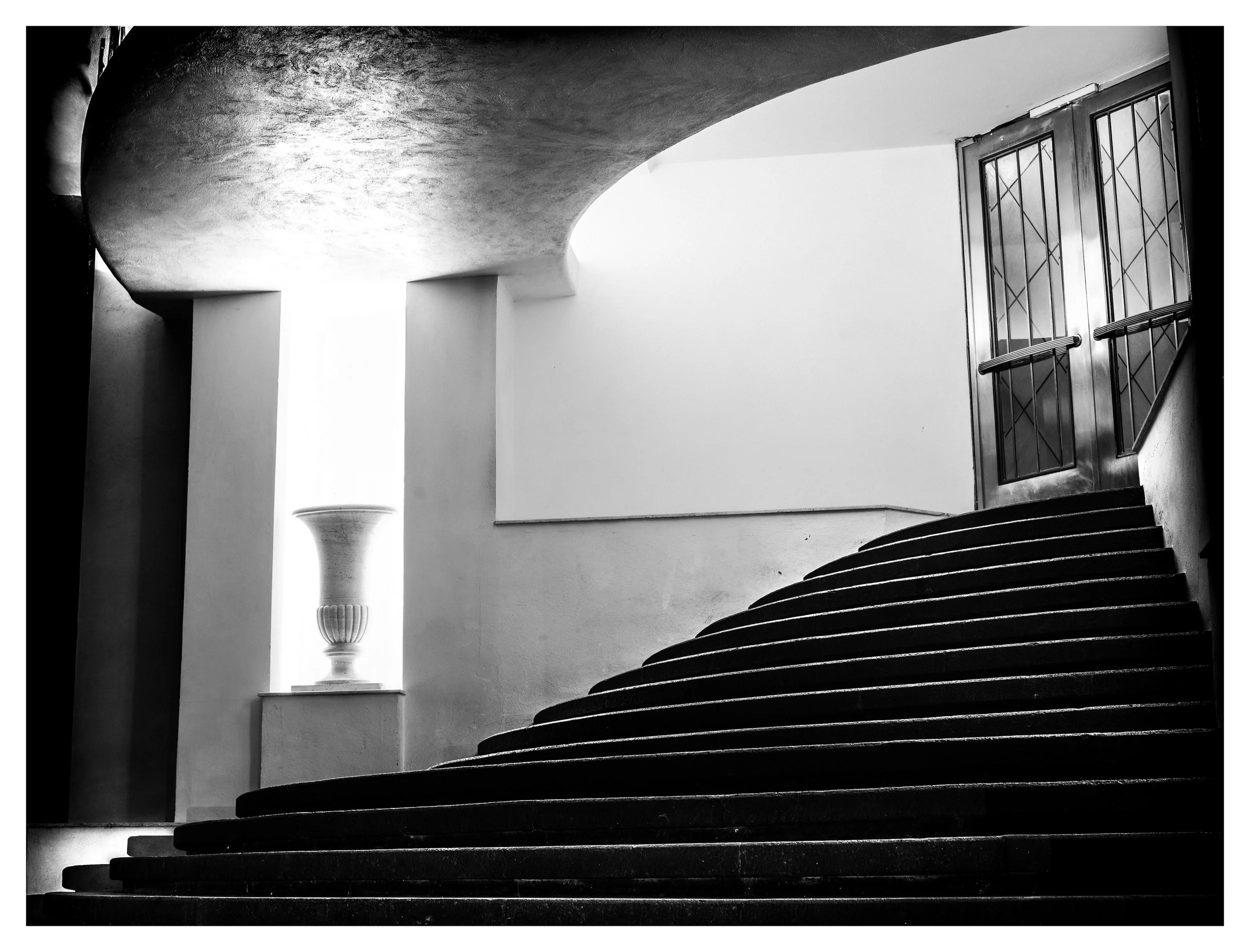
Mestizaje, No. 35 (CDMX), 2025. Archival Pigment Print, Edition of 15.